Find a Black Therapist in District of Columbia
This page highlights Black Therapist professionals serving the District of Columbia, including Washington neighborhoods. Browse the listings below to compare specialties, approaches, and availability.






Overview: How Black Therapist therapy works for District of Columbia residents
When you look for a Black Therapist in the District of Columbia you are seeking clinicians who bring both clinical training and cultural understanding to their work. Many therapists in the region hold state licensure and professional credentials, and they combine evidence-based practices with awareness of the historical and social factors that shape Black experiences. Whether you prefer in-person sessions near Washington or online appointments that fit your schedule, therapists typically start by asking about your goals, background, and immediate needs so they can tailor an approach that fits your life.
Finding specialized help for Black Therapist needs in the District of Columbia
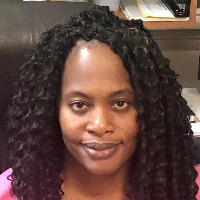
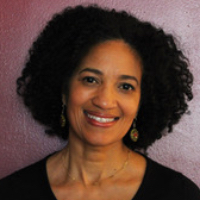
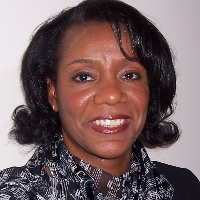
Finding a therapist who shares or deeply understands your cultural context can make it easier to address issues linked to identity, race-related stress, and everyday life in an urban environment. In the District of Columbia you can search for clinicians who note specialization in culturally responsive care, racial trauma, identity development, or community-focused practice. Many providers include brief biographies that explain their training, therapeutic orientation, and areas of expertise. You can use those profiles to get a sense of who might resonate with you before reaching out for an initial consultation.
What to expect from online therapy for Black Therapist care
Online therapy has become a practical option for many people in DC who need flexibility around work, family, or mobility. If you choose virtual sessions, expect to use a video platform or phone calls for appointments, with options for sessions that are shorter or fall outside standard business hours. Your therapist will typically explain how sessions are scheduled, fees and insurance billing practices, and what to do if you need support between appointments. Online therapy can be especially helpful if you live farther from central Washington areas or if you prefer to meet from your home or another comfortable environment. Make sure you discuss boundaries and preferences for communication so you and your therapist have a clear agreement about how you will work together.
Common signs you might benefit from Black Therapist therapy in DC
There are many reasons people seek therapy, and the decision often begins with a feeling that you are not functioning as well as you would like. You might be experiencing persistent low mood, anxiety that interferes with daily tasks, or difficulty sleeping. Relationship strain, recurring conflict at work, or grief after loss can also prompt a search for support. For some people in the District of Columbia, experiences of racial stress, microaggressions, or intergenerational patterns create unique pressures that are best addressed with a therapist who understands those dynamics. If you find yourself avoiding activities you used to enjoy, feeling overwhelmed by everyday responsibilities, or struggling to make decisions, a consultation could help you clarify next steps.
What a first few sessions typically look like
Your initial session is usually an opportunity to share your current concerns and to ask questions about how the therapist works. You can expect some background questions about your history, relationships, and any previous treatment, as well as a discussion of goals - what you hope to change or understand. Therapists will describe their methods, whether they use cognitive-behavioral techniques, psychodynamic exploration, strengths-based approaches, or culturally specific interventions that consider community and identity. It is normal to feel unsure at first; many people say it takes a few sessions to get comfortable and to begin noticing small changes.
Practical considerations for choosing the right Black Therapist in District of Columbia
Choosing a therapist involves both practical and personal factors. Consider logistics such as location if you plan to meet in person - neighborhoods in and around Washington can affect your commute time - as well as whether you prefer evening or weekend availability. Insurance coverage and fee structure matter for budgeting, and many clinicians offer sliding scale fees or limited pro bono slots. Look for clinicians who list clear information about their training, licensure, and areas of focus so you can make informed comparisons. You may also want to note languages spoken and experience working with specific communities or identities, since these details can shape how easily you build rapport.
Questions to ask when you contact a provider
When you reach out to a therapist, it is useful to ask a few direct questions to determine fit. You might inquire about their experience working with Black clients in urban settings, how they approach issues like racial stress or cultural identity, and whether they use particular therapeutic models. Asking about session length, cancellation policies, and what happens if you need more immediate support will help you set expectations. A good therapist will welcome your questions and give honest answers that let you decide whether to schedule an appointment.
Considering community and cultural connections in your care
Your cultural background and community ties often influence the priorities you bring to therapy. In the District of Columbia many people draw on local networks, faith communities, and neighborhood resources as part of their overall approach to wellbeing. A therapist who understands these connections can help you link therapeutic work to your broader life context, recommending strategies that respect cultural practices while also addressing symptoms or patterns that feel limiting. If community is important to you, ask how a provider integrates social supports and whether they coordinate care with other professionals when needed.
Working with life transitions and stressors specific to DC
Living in the District of Columbia can come with unique stressors - high-paced jobs, political events, and the dynamics of a diverse urban population. These factors may intensify feelings of pressure, comparison, or disconnection. Therapists in the area often help people navigate career transitions, family changes, and civic engagement in ways that honor personal values. You can expect conversations that tie practical problem-solving to deeper exploration of meaning and identity, helping you build tools that transfer beyond the therapy room.
Next steps and how to begin
Start by reviewing therapist profiles and noting a few that feel like a potential fit. Reach out for a brief consultation to ask about their experience and to get a sense of their communication style. If an initial match does not feel right, it is perfectly reasonable to try another provider until you find someone who meets your needs. Therapy is a personal process and the right match can make it easier to feel heard and to make steady progress. Whether you connect with someone near Washington or choose online sessions that fit your routine, taking that first step is often the most important part of the journey.
Finding a Black Therapist in the District of Columbia is about aligning clinical skill with cultural understanding and practical fit. With clear questions and realistic expectations you can identify a provider who helps you move toward greater wellbeing and resilience in the context of your life and community.