Find a Bipolar Therapist in Florida
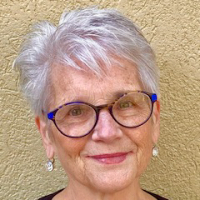
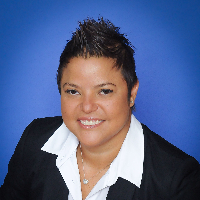
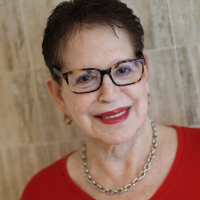
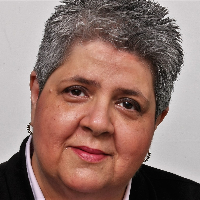
This page helps you find therapists in Florida who specialize in bipolar-related mood support, offering both in-person and online options. Browse the listings below to compare approaches, availability, and areas of focus.














How bipolar therapy typically works for Florida residents
When you start therapy for bipolar-related concerns in Florida, the first sessions usually focus on assessment and building a working relationship. A therapist will ask about your history of mood changes, sleep and activity patterns, stressors, previous treatments, and how symptoms affect your daily life. That initial understanding shapes a collaborative plan - one that balances symptom management, coping skills, and strategies to support long-term stability. Many therapists work alongside prescribers and primary care clinicians when medication or medical monitoring is part of the approach, so you may find care that integrates psychotherapy with psychiatric input if needed.
Therapeutic approaches you may encounter
Different clinicians emphasize different methods, but you can expect therapies that target mood regulation, routine, and interpersonal functioning. Cognitive-behavioral techniques help you identify patterns of thinking and behavior that influence mood swings. Interpersonal and rhythm-focused approaches address sleep, daily routines, and social cues that affect stability. Psychoeducation is often part of treatment - learning to recognize early warning signs and to implement coping strategies. Your therapist will tailor interventions to your needs, whether you are seeking support during a period of increased symptoms or aiming to maintain wellness over time.
Finding specialized help for bipolar in Florida
Search for clinicians who list bipolar-related experience and training on their profiles, and pay attention to how they describe their approach. Some therapists focus on mood disorders broadly, while others highlight specific interventions or populations - for example, adults, adolescents, or perinatal clients. Consider clinicians who mention collaboration with psychiatrists or who have experience working with medication management teams, as that coordination can be important if you and your prescriber need integrated care. If location matters to you, you can narrow your search to major hubs like Miami, Orlando, or Tampa where a wider range of specialists tends to be available.
Navigating licensure and location
Therapists listed for Florida practice are generally licensed to provide care in the state, and that matters for in-person work as well as for many telehealth arrangements. If you plan to use online therapy, confirm that the clinician is authorized to provide services to Florida residents. Some practitioners maintain offices in Miami, Orlando, or Tampa and also offer remote appointments, which can give you more scheduling flexibility. Keep in mind that availability and cost may vary between urban centers and smaller towns, so try searching by city or zip code to compare options.
What to expect from online therapy for bipolar
Online therapy can make it easier to connect with a therapist whose expertise matches your needs, even if they are not in the same neighborhood. You can expect typical session formats to include video or phone appointments, structured interventions, and homework or monitoring between sessions. Many clinicians use tools for mood tracking, behavioral experiments, and sleep routine work that you can complete between meetings. If you live in Miami, Orlando, Tampa, or elsewhere in Florida, online therapy can reduce commute time and expand your access to specialists who may not have local offices.
Practical considerations for remote care
Before you begin online sessions, check technical requirements, cancellation policies, and emergency procedures that apply to telehealth. Ask how the therapist handles urgent situations and what local crisis resources they recommend for Florida residents. Clarify how they communicate between sessions - some clinicians offer text-based messaging or brief check-ins, while others prefer to limit contact to scheduled appointments. Understanding these logistics up front helps you set expectations and reduces surprises as you start working together.
Common signs that someone in Florida might benefit from bipolar therapy
You might consider seeking a bipolar-specialty therapist if you notice distinct ups and downs in mood that affect daily functioning, work performance, relationships, or sleep patterns. Periods of unusually elevated energy, racing thoughts, or impulsive decisions followed by episodes of low mood, fatigue, or withdrawal are experiences people often bring to therapists. Difficulty maintaining regular routines, increased irritability, or changes in appetite and concentration are also reasons to reach out for an evaluation. If symptoms are interfering with your ability to meet responsibilities or keep relationships stable, a focused therapeutic approach can help you get clearer about treatment goals and next steps.
Tips for choosing the right therapist for this specialty in Florida
Start by reading profiles to identify clinicians who explicitly mention experience with mood disorders and bipolar-related care. Look for details about therapeutic orientation, such as cognitive-behavioral strategies, interpersonal rhythm work, or family-inclusive approaches, and think about which style fits you best. Consider practical factors too - whether the therapist accepts your insurance, offers sliding scale fees, provides evening or weekend hours, and whether they have languages or cultural competence that match your needs. When you contact a therapist, treat the initial consultation as a chance to ask about their experience with bipolar-related symptoms, how they measure progress, and how they coordinate care with prescribers if medication is part of your plan.
What to ask during a first call
In a brief phone call or intake session you might ask how long they have worked with mood instability, what interventions they find most helpful, and how they handle crises or urgent increases in symptoms. It is also reasonable to ask about their availability, fee structure, and whether they offer online appointments if that is important to you. A good fit often depends on both clinical skill and rapport - if you feel listened to and your concerns are taken seriously, that is an encouraging sign.
Local considerations and access across Florida
Florida is geographically large and diverse, and access to specialists can vary between metropolitan areas and rural counties. Cities like Miami, Orlando, and Tampa typically have more clinicians with specialized training and a range of service options, including evening clinics or multi-disciplinary practices. If you live outside those hubs, telehealth can expand your choices and connect you with therapists who have the specific experience you need. Also consider transportation, parking, and office accessibility when choosing in-person care, and ask about language services if you prefer therapy in Spanish or another language commonly spoken in Florida communities.
Making the most of therapy
Therapy is most effective when you and your clinician set clear goals and track progress over time. You can work on developing routines that support mood stability, learning practical coping strategies for stressful moments, and building a support network that reinforces healthy patterns. Many people benefit from combining psychotherapy with medical oversight when appropriate - coordinated care helps ensure that any medication changes are monitored and that therapeutic strategies align with your overall treatment plan. Be patient with the process - finding the right combination of tools and supports often takes time, but a strong therapeutic relationship can help you navigate changes and make steady progress.
Finding your next step
If you are ready to explore options, use the profiles on this page to compare approaches and availability in your area. Request an initial consultation to get a sense of fit and to learn how a therapist would approach your concerns. Whether you are in Miami, Orlando, Tampa, or elsewhere in Florida, there are clinicians who focus on bipolar-related care and who can help you develop practical strategies for managing mood and improving daily functioning.