Find a Kink Therapist in Florida
This page highlights clinicians who focus on kink-affirming therapy in Florida. Find therapists who work with consensual kink, alternative relationship styles, and related concerns across the state.
Browse the listings below to review profiles, specialties, and availability in Miami, Orlando, Tampa and other Florida communities.








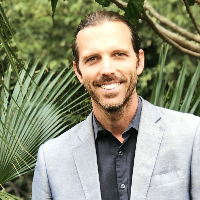
Dwanne Clayton
LCSW, CSW
Florida - 5 yrs exp










How kink therapy typically works for Florida residents
If you are considering kink-focused therapy in Florida, you will find that most clinicians combine general psychotherapy skills with an understanding of kink-specific dynamics. Sessions often begin with an intake conversation in which you and the therapist outline goals, communication patterns, limits, and any immediate concerns. A kink-affirming clinician will ask about how you define your interests, how they relate to your relationships and identity, and what kind of support you are seeking - whether it is managing shame, improving negotiation skills, healing from a past experience, or exploring consensual dynamics more deeply.
Therapists who specialize in kink frequently integrate trauma-informed principles and a sex-positive framework. This means attention to consent, safety planning, and power dynamics alongside standard therapeutic techniques such as cognitive-behavioral approaches, emotion-focused work, and relational therapy. While therapy does not prescribe how you practice kink, it provides a space to reflect on boundaries, risk reduction, communication, and emotional consequences.
Finding specialized help for kink in Florida
When you search for a kink-informed therapist in Florida, you will encounter clinicians who list specific training, experience with BDSM communities, or familiarity with consensual non-monogamy and alternative sexual expression. Many therapists in larger cities such as Miami, Orlando, and Tampa advertise experience working with kink and queer-identified clients, while clinicians in Jacksonville and Fort Lauderdale may bring regional knowledge about local communities, support groups, and events. Look for therapists who describe their approach to consent, negotiation, and harm reduction in their profiles.
Licensure matters when you are choosing a provider. In Florida, common credentials include Licensed Mental Health Counselor, Licensed Clinical Social Worker, and Licensed Marriage and Family Therapist. A therapist’s license tells you where they are authorized to practice and may guide whether they can provide in-person care where you live. It is reasonable to ask about training specific to sexual health, trauma, or kink-affirming education during an initial consultation.
What to expect from online therapy for kink
Online therapy is a practical option for many people in Florida, especially if you live outside major metropolitan areas or prefer virtual sessions. When you choose teletherapy, sessions typically occur over video or phone and follow similar therapeutic content as in-person work. You should expect a clear discussion of logistics - how appointments are scheduled, how to reach the clinician between sessions if needed, and what to do in an emergency. A responsible therapist will review limits of telehealth, including how to handle crisis situations and local referral options if in-person care becomes necessary.
Online therapy can expand access to clinicians with kink-specific expertise, which is particularly helpful if local providers are limited. Virtual work allows you to connect with therapists in Miami or Orlando who may offer evening appointments or specialized training that is harder to find in smaller communities. Some clients find that remote sessions provide a comfortable setting for exploring sensitive topics, while others prefer meeting in person for relational work. Consider your own needs for privacy and environment when deciding between online and face-to-face care.
Common signs you might benefit from kink-focused therapy
You may find kink therapy helpful if certain patterns feel disruptive or distressing in your life. This can include persistent shame related to your interests, trouble negotiating boundaries with partners, recurring conflicts in relationships that center on kink dynamics, or difficulty managing emotional fallout after intense scenes. If you experience anxiety, attachment challenges, or if past experiences have left you feeling triggered during play, targeted therapy can support you in developing regulation skills and clearer communication.
People sometimes seek kink-informed therapy when they want to integrate their interests into a broader sense of self without judgment, or when they are navigating transitions such as new relationship structures, polyamory, or coming out within kink communities. Therapy can also be a helpful space for partners to work on negotiation, consent practices, and aftercare planning. You do not have to be in crisis to benefit - many people use therapy as a proactive way to strengthen relationships and ensure healthier, more intentional engagement with kink.
Tips for choosing the right therapist for this specialty in Florida
Start by reading therapist profiles carefully to gauge whether they use terms like kink-affirming, sex-positive, or trauma-informed. You should feel comfortable asking about specific experience with consensual BDSM, role play, power exchange, or alternative relationship styles during an initial phone call. Ask about the clinician’s boundaries for discussing explicit sexual content, how they handle personal nature of sessions in practice, and whether they provide couple or individual sessions depending on your needs.
Consider practical factors as well. If you live in Florida, check whether the therapist is licensed to practice in the state if you prefer in-person care or if you plan to do telehealth across state lines. Look into scheduling options and whether evening or weekend appointments are available if you work nontraditional hours. If you live outside major urban centers, you may appreciate a clinician who provides remote sessions or has familiarity with local community resources in places like Miami, Tampa, or Jacksonville.
Balance credentials with rapport. Specialized training and relevant clinical experience matter, yet how you feel with a therapist in an initial session often predicts whether the work will be helpful. It is appropriate to try a few consultations to compare approaches, and to prioritize clinicians who respond respectfully to questions about consent, negotiation, and safety. If you or your partner have health concerns, trauma histories, or legal questions, ask how the therapist coordinates care or referrals to other professionals.
Working with partners and community considerations in Florida
If you are seeking couples or group-focused work, choose a therapist who clarifies how they structure sessions and safeguard emotional boundaries. Many Florida therapists can support joint sessions that focus on improving communication, clarifying expectations, and creating aftercare plans that suit your dynamic. Community resources such as educational workshops, peer groups, and local events are often concentrated in larger cities, so a therapist with local knowledge can help you connect to safe learning opportunities in Miami, Orlando, Fort Lauderdale, or Tampa.
Urban centers may offer in-person workshops and peer-led discussion groups that complement therapy, while rural or suburban areas may rely more on online education and virtual communities. Your therapist can help you weigh the benefits and limitations of participating in public or social kink spaces, and can support you in building healthier boundaries with community members.
Making the first appointment and what follows
When you are ready to reach out, prepare a few notes about what you want to focus on so the initial call can efficiently address fit and logistics. Many therapists offer brief phone screenings to answer questions about approach and availability. After the first few sessions you and your clinician will likely refine goals and agree on a rhythm for sessions - whether weekly, biweekly, or more spaced out based on your needs.
Therapy is a collaborative process. You bring your lived experience and preferences, and the therapist brings tools to help you reflect, practice new skills, and make intentional choices about relationships and kink practice. Whether you are in Miami, Orlando, Tampa, Jacksonville, Fort Lauderdale, or elsewhere in Florida, a thoughtfully chosen kink-affirming therapist can support you in building clearer communication, reducing shame, and creating safer, more fulfilling interactions.