Find an Anger Therapist in Georgia
This directory lists licensed clinicians who specialize in anger management and emotional regulation in Georgia. You will find therapists offering both in-person and online sessions across the state, including Atlanta, Savannah and Augusta. Browse the listings below to compare profiles and connect with a clinician who fits your needs.











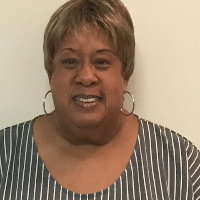
Dr. Anila Malik
LPC
Georgia - 36 yrs exp












How anger therapy works for Georgia residents
When you begin anger-focused therapy in Georgia, the process typically starts with an intake conversation to understand what brings you to seek help, how anger shows up in your life, and what goals you hope to reach. Therapists use evidence-based approaches to help you recognize the patterns that lead to angry reactions, learn skills to manage intense emotions, and practice new responses that lead to better outcomes in relationships and daily life. Sessions can be held in an office in neighborhoods across Atlanta or in more tranquil settings in smaller cities like Savannah and Augusta. Many clinicians also offer remote sessions so you can access care from home, at work, or while traveling across the state.
Common approaches you may encounter
Therapists often draw from cognitive-behavioral techniques to help you examine thoughts that fuel anger and to develop practical strategies for changing those responses. Skills for emotional regulation, relaxation training, and communication techniques are frequently part of the work. If your anger is linked to trauma, a clinician with trauma-informed training may integrate approaches that address how past experiences shape present reactions. The pace of therapy and the blend of methods will reflect your needs, goals, and preferences so you can build tools that fit your life in Georgia.
Finding specialized help for anger in Georgia
Searching for the right therapist often starts with clarity about what you want to change. Some people seek help for frequent outbursts or road rage, while others come because anger is damaging important relationships or affecting their work. You can narrow your search by looking for clinicians who list anger management, emotion regulation, or conflict resolution among their specialties. In larger metro areas like Atlanta, you will frequently find a wide variety of clinicians with specific training in anger-related concerns. In smaller communities, you may find therapists who bring broad experience in adult mental health and family therapy, and who can tailor their approach to focus on anger.
Considerations for your search
Think about practical details that matter to you - whether you prefer in-person sessions near your neighborhood, such as in Midtown Atlanta or near the historic districts of Savannah, or whether you need evening or weekend options that fit your work schedule. Insurance participation, sliding scale fees, and the option to use a health savings account are administrative details that influence access to care. You may also want to consider cultural fit - finding a clinician who understands the social and community values common in Georgia can make therapeutic work feel more relatable and directly applicable.
What to expect from online therapy for anger
Online therapy expands access, letting you connect with clinicians in Atlanta, Augusta, or other parts of Georgia without travel time. When you choose remote sessions, you can expect a similar clinical structure as in-person work - assessment, collaborative goal-setting, skill-building, and progress checks. Technology allows for real-time practice of breathing and grounding techniques under a therapist's guidance and for role-play conversations to rehearse new communication strategies. Many people find virtual sessions convenient when managing busy schedules or when local in-person options are limited.
Practical tips for online sessions
Before your first remote appointment, test your internet connection and choose a quiet, comfortable environment where you can speak freely. If you live in a shared household, consider arranging a time when interruptions are minimal or using headphones to maintain focus. Bring a list of situations that typically trigger anger so you can discuss specific examples early on. Remember that online work still depends on the connection you build with your therapist - feeling heard and respected matters more than the exact format of sessions.
Signs you might benefit from anger therapy in Georgia
People seek anger-focused therapy for many reasons. You might notice that you experience frequent irritation or quick escalations even in everyday encounters. Relationships may feel strained because of harsh words or withdrawn behavior after conflicts. You could be losing time or opportunities due to angry reactions at work, or you might find yourself ruminating on events that provoke resentment. Physical symptoms such as tension, headaches, or trouble sleeping often accompany repeated anger. If you feel that anger is interfering with your goals, wellbeing, or how you relate to others, therapy can offer ways to gain control and make different choices.
When relationships are affected
Anger that creates distance or fear in close relationships is a common reason people look for help. Whether you live in a busy household in Atlanta, share life with a partner in Savannah, or are raising a family in a suburban neighborhood near Augusta, learning communication tools can change how conflicts unfold. Therapy can also help you explore underlying emotions such as hurt or shame that sometimes appear as anger, making it easier to respond with what you truly want in relationships.
Tips for choosing the right anger therapist in Georgia
Choosing a therapist is a personal decision. Start by reading clinician profiles to learn about their training, therapeutic approach, and the populations they serve. Look for experience with anger-related work, but also pay attention to whether they mention collaborative goal-setting, measurable progress, and skill-based strategies. If you are seeking care for a teen or a couple, check whether the clinician has experience working with those age groups or in family systems. Many therapists offer an initial phone or brief video consultation - use that to assess whether you feel understood and whether their approach resonates with you.
Logistics and cultural fit
Consider logistical factors such as location and availability. If in-person visits matter, you might prioritize therapists whose offices are convenient to your commute in Atlanta or near other Georgia cities like Columbus and Athens. If you prefer remote work, verify the therapist's online hours and how they handle scheduling. Cultural fit is often overlooked but important - you may feel more comfortable with a clinician who respects your background, values, and community context. Trust your instincts during initial conversations - feeling listened to and respected is a strong indicator of a therapeutic match.
Next steps
When you are ready, use the listings above to explore profiles, read clinician descriptions, and arrange an introductory meeting. Preparing a few notes about what you want to change and what you hope to gain from therapy will help you make the most of that first contact. Whether you choose in-person sessions in a neighborhood near you or virtual appointments from home, taking that first step toward support can open the door to greater emotional control, better relationships, and a clearer sense of direction in your daily life in Georgia.