Find an Attachment Issues Therapist in Georgia
This page helps you find therapists in Georgia who focus on attachment issues. Browse the profiles below to compare specialties, approaches and availability across Atlanta, Savannah, Augusta and other communities.





Dr. Anila Malik
LPC
Georgia - 36 yrs exp
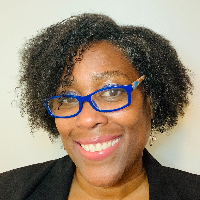


Amargo Crenshaw
LPC
Georgia - 20 yrs exp


Brian Cunningham
LPC
Georgia - 8 yrs exp












How attachment issues therapy works for Georgia residents
If you are exploring therapy for attachment concerns, you should know there are many approaches that experienced clinicians use to help people build more secure relationships and greater emotional balance. Therapy for attachment issues typically begins with an assessment of relationship patterns, history and current triggers. Your therapist will ask about early family dynamics, significant losses or separations, and how you relate to partners, friends and family now. From that foundation they will shape a treatment plan that may include talking work, emotion-focused interventions, experiential exercises and sometimes relational or family sessions when that is helpful.
In Georgia, you can access this care in different settings - community clinics, private practices, university-affiliated training clinics or through telehealth. Many clinicians blend more than one therapeutic model so you can expect a personalized mix rather than a single rigid method. Therapy is collaborative, so you and your provider will adjust pacing and techniques as you progress.
Finding specialized help for attachment issues in Georgia
When you search for a specialist in attachment issues, start by looking for clinicians who list attachment-based work, trauma-informed practice or relational therapies among their expertise. Licensed clinical social workers, licensed professional counselors, marriage and family therapists and psychologists often have specific training in attachment theory and related methods. In metropolitan areas like Atlanta you will find a larger pool of clinicians with niche training, while in places such as Savannah or Augusta you may discover experienced generalists who integrate attachment-focused approaches into their practice.
Consider whether you prefer someone who works primarily with adults, adolescents or couples, since attachment patterns show up differently across life stages. If you live near a university town like Athens you may also have access to teaching clinics where advanced trainees provide care under supervision at reduced cost. When geography matters, search listings by city to compare local availability in Columbus, Augusta or other nearby communities.
What to expect from online therapy for attachment issues
Online therapy has become a practical option for many people in Georgia, allowing you to connect with a clinician from home, work or another location that feels comfortable. In an online session you can expect much of the same therapeutic work you would get in person - reflective conversations, guided exercises, and homework to practice new ways of connecting. Therapists will establish boundaries for communication, session length and crisis planning so you know how to get support between sessions if needed.
Telehealth can be especially useful if local options are limited or if you prefer greater scheduling flexibility. You should confirm that the therapist is licensed to practice in Georgia and discuss how they handle documentation, record-keeping and technology platforms. If you are in a shared living situation, plan for a quiet, interruption-free space where you can be present. For attachment work, many people find that being able to do sessions from a familiar environment helps them access feelings and memories more readily, though others prefer in-person sessions when working through more intense relational material.
Common signs that you might benefit from attachment issues therapy
Attachment-related difficulties can appear in many ways and often affect your relationships, self-image and emotional regulation. You might notice persistent patterns such as intense fear of rejection, difficulty trusting partners, repeated cycles of getting very close and then withdrawing, or chronic anxiety about abandonment. Some people feel numb or disconnected from close relationships, or they may struggle with jealousy and hypervigilance. Attachment issues can also show up as repeated trouble communicating needs, difficulty setting boundaries, or a tendency to prioritize others at the expense of your own wellbeing.
These patterns may become more apparent during life transitions - starting a new relationship, becoming a parent, moving to a new city, or after a significant loss. If you see these themes in your life, therapy can offer a chance to understand the roots of these responses and to practice new ways of relating that feel more manageable and fulfilling. You do not have to have a crisis to benefit from this work - many people seek therapy simply to develop healthier, more stable relationships.
Tips for choosing the right therapist for attachment work in Georgia
Choosing a therapist is an important step and you should feel able to evaluate fit before committing to ongoing sessions. Start by reading therapist profiles to understand their training and preferred methods. Look for clinicians who mention attachment theory, trauma-informed care, emotion-focused therapy or family systems perspectives. When you contact a potential therapist, ask about their experience with attachment issues and the types of interventions they commonly use. A brief consultation call can help you assess whether their communication style aligns with what you need.
Practical considerations matter as well. Think about whether you prefer evening or weekend availability, whether you want in-person sessions near Atlanta, Savannah or another city, or if telehealth is more convenient. Discuss fees, insurance acceptance and whether they offer a sliding scale if cost is a barrier. You should also ask how they measure progress and what a typical course of therapy might look like for someone with attachment concerns. Good therapists will be willing to set goals collaboratively and check in about how the work is going.
Working with couples or family members
If attachment patterns are affecting your intimate relationship, you may consider couples or family therapy. In those settings the therapist will help both partners or family members identify interaction patterns, clarify attachment needs and practice new ways of responding that increase safety and emotional connection. Some clinicians specialize in couples work and can integrate individual attachment history into the relational work, which can be especially helpful if both partners want to understand repetitive cycles and create change.
Practical next steps when you are ready
Begin by narrowing your search to clinicians who list attachment issues as a specialty and who are licensed to practice in Georgia. Use the listings to compare biographies, approaches and availability in cities like Atlanta, Savannah, Augusta, Columbus and Athens. Reach out for initial consultations to ask about approach, session structure and fees. Trust your instincts about fit - a good therapeutic connection is one of the strongest predictors of helpful outcomes.
Finally, remember that seeking help is a process and that progress often unfolds gradually as you learn new ways of relating to yourself and others. With targeted attachment-focused therapy you can build skills to manage triggers, strengthen bonds and create relationships that feel more reliable and nourishing. Whether you start with in-person sessions in your city or try online therapy for flexibility, there are options across Georgia to support this work.