Find a Black Therapist in Georgia
Discover Black Therapist therapists licensed to serve Georgia residents, including practitioners in Atlanta, Savannah, Augusta, Columbus, and Athens. Browse the listings below to compare specialties, read profiles, and find a clinician who fits your needs.





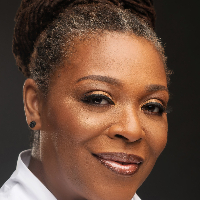
Dr. Anila Malik
LPC
Georgia - 36 yrs exp






How Black Therapist therapy works for Georgia residents
If you are seeking therapy that centers Black cultural experience, you should know how this specialty typically operates in Georgia. Therapists who identify with this specialty often combine general therapeutic approaches with an awareness of racial identity, cultural values, and community context. When you begin, a therapist will usually start with an intake conversation to learn about your goals, background, and immediate concerns. That first exchange sets the stage for a plan of care - whether you meet weekly, every other week, or on a schedule that fits your life.
In Georgia, service delivery can take several forms. Many clinicians offer in-person appointments in offices located in cities such as Atlanta, Savannah, and Augusta, while others provide remote sessions that allow you to connect from home. The practical steps are straightforward: you review a therapist profile, reach out by phone or email, and schedule an intake. During intake you can ask about the therapist's experience working with Black clients, their clinical approach, and what a typical session looks like so you know what to expect.
Finding specialized help for Black Therapist in Georgia
When you search for a specialist, consider how culture and identity factor into the help you want. Some therapists focus on racial trauma and identity development, others emphasize family and relationship dynamics, and still others integrate community-oriented approaches. You can narrow your search by reading profiles that describe experience with cultural issues, affinity groups, or community-based interventions. Pay attention to education and licensure information, and look for language that signals an explicit commitment to understanding the Black experience in a Southern context. That regional perspective can be important because experiences in Atlanta may differ from those in smaller cities or rural communities.
Accessibility is another consideration. If travel is difficult, prioritize therapists who offer remote sessions or who maintain satellite offices closer to where you live. If you live near Atlanta you may find a wide range of clinicians with varied specializations. In Savannah and Augusta you may encounter therapists whose work is closely tied to local community institutions, which can shape how services are offered and what resources are available outside therapy sessions.
What to expect from online therapy for Black Therapist
Online therapy can be a flexible option when an in-person match is not available or when you prefer the convenience of seeing a therapist from home. If you choose remote sessions, you should expect a similar structure to face-to-face work: an intake session, a collaborative plan, and ongoing meetings focused on your goals. Many therapists will discuss boundaries around session timing, what to do if technology fails, and how to handle emergencies. You should feel free to ask how the clinician maintains professional standards while working remotely, and whether their approach to cultural issues translates easily to an online setting.
For some people the online format enhances access to therapists who share similar cultural backgrounds but practice in different parts of the state. If you live outside a major city, choosing a therapist in Atlanta or another urban center who offers virtual sessions can widen your options. Keep in mind that state licensure rules affect where a clinician is allowed to practice from - therapists who list Georgia as their practice state can legally provide care to you when you are in Georgia.
Common signs you might benefit from Black Therapist therapy in Georgia
There are several reasons someone might look for a therapist who centers Black experience. You might be navigating questions of racial identity, feeling isolated because of cultural differences at work or school, or dealing with stress linked to racial incidents in your community. Others seek help for relationship strain, parenting challenges, anxiety, or depressive feelings and prefer a therapist who understands how cultural stressors intersect with mental health. If you notice that your day-to-day functioning is affected, your sleep or appetite have changed, or you are using unhelpful coping strategies, these are signs that talking with a therapist could be useful.
People also look for culturally attuned therapy during life transitions - moving between cities, starting a new school, or returning from military service - when identity and belonging come into sharper focus. You may also pursue this specialty because you want a clinician who can help you build resilience and connect to community-based resources. Whatever brings you to therapy, it is appropriate to seek a therapist who demonstrates cultural knowledge and a willingness to engage with your lived experience.
Tips for choosing the right Black Therapist therapist in Georgia
Choosing a therapist is a personal process. Start by clarifying what you want from therapy and what matters most in a therapist - for example clinical approach, experience with specific issues, language preferences, or availability during evenings and weekends. Read bios carefully to learn about training, areas of focus, and how the therapist describes their work with Black clients. Consider reaching out with a short message that includes a couple of questions - this can give you a sense of responsiveness and style before committing to an intake.
Trust your instincts when you meet a therapist. The therapeutic relationship itself - the sense that you are heard and respected - often matters more than any particular technique. If you do an initial session and do not feel that fit, it is reasonable to try a different clinician. If location is important, look for clinicians in regions that are convenient for you. Metro Atlanta offers a broad selection of specialists, while Savannah and Augusta provide options that may connect more directly with local community contexts. If you live in Columbus or Athens, you may discover therapists who combine regional familiarity with a focus on cultural issues.
Cost and insurance are practical factors to address early on. Ask about fees, sliding scale options, and whether the therapist accepts your insurance. Some therapists provide brief consultations at reduced cost so you can get a feel for fit. Also ask about session length and frequency so you can plan around work and family obligations. If transportation is a challenge, you can prioritize clinicians who offer remote care or who have office hours that align with public transit schedules.
Working across systems and community resources
Finally, consider how your therapist connects with broader supports. Many clinicians maintain relationships with community organizations, clergy, and advocacy groups that can complement therapy. If you are seeking assistance that includes school systems, legal concerns, or medical coordination, ask how the therapist collaborates with other professionals. That networked approach can be especially helpful when you are navigating complex life circumstances and want someone who understands both individual and community-level factors that shape wellbeing.
Choosing a Black Therapist therapist in Georgia is about finding someone who honors your story and helps you move toward the goals you set. Take your time, ask questions, and use the listings below to explore profiles and specialties. Whether you prefer in-person sessions in Atlanta, virtual visits with a clinician based in Savannah, or community-linked care in Augusta, you can find a professional match that supports your needs and respects your cultural context.