Find a Codependency Therapist in Georgia
Find therapists across Georgia who focus on codependency, from Atlanta to smaller communities. Browse the listings below to compare approaches, read clinician profiles, and connect with someone who can support your recovery journey.

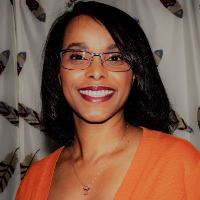





Dr. Anila Malik
LPC
Georgia - 36 yrs exp











How codependency therapy works for Georgia residents
If you are exploring codependency therapy in Georgia, you will find that most clinicians begin with an assessment of your relationship patterns, coping strategies, and current stressors. That intake conversation helps shape a treatment plan tailored to your concerns - whether you want to work on boundary setting, reduce people-pleasing behaviors, heal from past relational trauma, or improve communication within your family. Therapists commonly combine skill-based interventions with relational and trauma-informed approaches so you can strengthen your sense of self while also practicing healthier ways of relating.
Therapy often moves at a pace that feels manageable for you. Early sessions tend to focus on identifying patterns and immediate skills you can use, such as clear communication techniques and self-care practices. Later work may include deeper exploration of attachment histories, patterns passed down through family systems, and incremental experiments to change long-standing behaviors. Many clinicians emphasize homework and practice between sessions so you can try new ways of relating in real life and reflect on what works.
Modalities and therapist backgrounds
You will encounter a range of therapeutic approaches used with codependency, including cognitive behavioral work to address unhelpful thoughts, emotionally focused and attachment-informed therapy to repair relational wounds, and family systems perspectives when the pattern involves multiple household members. Some clinicians also integrate dialectical strategies to help manage intense emotions and build distress tolerance. If substance use or trauma is present, therapists with experience in those areas will often incorporate appropriate supports while keeping the focus on relational patterns that maintain codependent dynamics.
Finding specialized help for codependency in Georgia
When you begin your search, look for clinicians who explicitly list codependency, relationship patterns, or boundary work among their specialties. Many therapists indicate whether they work with individuals, couples, or families, and whether they offer in-person or online sessions. In larger metro areas like Atlanta you may find a wider selection of clinicians with specialized training. Savannah and Augusta also have practitioners with experience in relational and trauma-informed care, and in smaller cities like Columbus and Athens you may discover skilled clinicians who offer telehealth to increase access.
Your choice may be influenced by practical factors - commute times, appointment availability, insurance acceptance, and whether you prefer evening or weekend hours. If you are balancing work or caregiving responsibilities, telehealth options can make it easier to maintain regular sessions. You can also prioritize clinicians with experience in populations or cultural contexts that resonate with your background, whether you are seeking someone familiar with faith-based communities, multigenerational family dynamics common in some parts of the state, or affirming care for LGBTQ+ clients.
Verifying credentials and experience
Therapists in Georgia typically hold credentials such as Licensed Professional Counselor, Licensed Clinical Social Worker, or Licensed Marriage and Family Therapist. You can ask about specific training related to codependency, certification in trauma-informed care, and experience working with situations that feel similar to yours. An initial consultation is a good opportunity to ask about a clinician's typical approach, how they measure progress, and what a typical session will look like. Being clear about your goals early on helps both you and the therapist determine fit.
What to expect from online therapy for codependency
Online therapy has expanded options for people across Georgia, especially if you live outside of Atlanta or other urban centers. With telehealth you can meet with a clinician who specializes in codependency without traveling far, which can be particularly helpful if local options are limited. Sessions usually take place via video, but phone or messaging formats are also available with some clinicians. You can expect similar therapeutic content to in-person care - assessment, skills practice, relational exploration - delivered through a virtual format.
To get the most out of online sessions, prepare a quiet, comfortable environment where you can speak openly and focus. You will want a stable internet connection and a device with audio and video capability. Talk with your clinician about how they handle urgent situations and what resources they recommend for times when you need additional support between sessions. Many therapists also provide worksheets, reading recommendations, and short exercises you can try at home to reinforce new skills.
Common signs you might benefit from codependency therapy
You may be wondering whether codependency therapy is appropriate for you. People who find themselves chronically prioritizing others' needs at the expense of their own, who feel anxious when not needed, or who have difficulty saying no often benefit from this kind of work. You might notice a pattern of staying in relationships that feel one-sided, repeatedly rescuing partners or family members, or feeling defined by your role in others' lives. Struggling to recognize your own emotions and desires, or experiencing guilt when you try to assert boundaries, are also common indicators.
These patterns can show up in romantic partnerships, friendships, workplaces, and family relationships. In Georgia's varied communities, cultural expectations can influence what feels normal or acceptable, which sometimes makes it harder to recognize when a pattern is harming your wellbeing. Therapy can help you disentangle those expectations from your personal values and identify small, achievable steps toward healthier interaction patterns.
Tips for choosing the right therapist for codependency in Georgia
Start by clarifying what you want from therapy - whether it is learning to set and maintain boundaries, reducing people-pleasing, improving relationship communication, or healing from past relational trauma. Use that clarity to guide questions when you contact clinicians. Ask about their experience with codependency, the methods they use, how they track progress, and whether they have worked with clients from your cultural or demographic background. It is reasonable to ask about fees, insurance, cancellation policies, and the typical session length.
An initial consultation is your chance to assess rapport. You should feel heard and respected, and the therapist should be able to describe an approach that makes sense to you. If the first clinician does not feel like the right fit, it is okay to try another. Many people meet several therapists before finding someone they click with. Consider practical logistics as well - if you live in a rural area or have a tight schedule, prioritize clinicians who offer telehealth and flexible hours. If in-person work is important, focus your search on local options in Atlanta, Savannah, Augusta, Columbus, or Athens where availability may be higher.
Local considerations and supports
Beyond individual therapy, you can explore community resources that complement clinical work. Support groups, peer-led workshops, and educational programs can offer additional perspectives and practice opportunities. University counseling centers and community mental health clinics sometimes provide low-cost services, and many faith-based organizations offer counseling or referral resources if that aligns with your values. In larger cities like Atlanta, there are often specialty groups and trauma-informed programs that address relational patterns directly. If you combine individual therapy with peer support, you may find a broader range of tools to sustain change.
Getting started and what to expect from the first sessions
When you reach out to a clinician, prepare a few questions about their approach and logistics so you can decide whether to schedule an intake. During the first sessions you will likely review your history, discuss immediate concerns, and set preliminary goals. Therapy is a collaborative process, so expect ongoing conversations about whether the pace and methods are working for you. Change often happens gradually, with small shifts in how you relate and care for yourself adding up over time.
Seeking help for codependency is a practical step toward reclaiming your needs and strengthening your relationships. Whether you connect with a clinician in Atlanta, meet someone by video from a quieter corner of the state, or explore group options in Savannah or Augusta, the right support can give you tools to build healthier patterns and a clearer sense of who you are outside of old habits. Use the therapist listings below to begin that search, and trust your judgment as you find a clinician who fits your goals and life circumstances.