Find a Communication Problems Therapist in Georgia
Find therapists in Georgia who specialize in communication problems, offering support for individual, couples, and family communication challenges. Use the listings below to compare profiles across the state - from Atlanta to Savannah and Augusta - and contact providers who seem like a good fit.






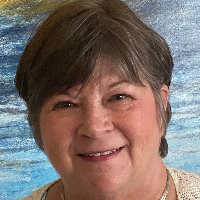
Dr. Anila Malik
LPC
Georgia - 36 yrs exp



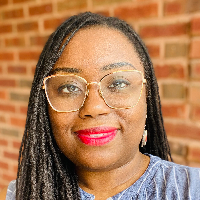
Amargo Crenshaw
LPC
Georgia - 20 yrs exp

Fred Farrar
LPC
Georgia - 30 yrs exp




How communication problems therapy works for Georgia residents
If you are seeking help for communication problems in Georgia, therapy usually begins with an assessment that explores the patterns causing strain or misunderstanding. During an initial session you and a clinician will talk about your goals, the situations that feel most difficult, and any history that affects how you relate to others. Your therapist may use model-based approaches from counseling, family systems, or behavioral techniques to help you develop new ways of expressing needs, listening, and resolving conflicts. Over a series of sessions you will practice skills in a structured setting and apply them to everyday interactions, tracking progress and adjusting strategies as you go.
Finding specialized help for communication problems in Georgia
When you search for a therapist who focuses on communication issues, look for professionals who list relevant specializations like couples therapy, family therapy, interpersonal skills, or speech and language support when applicable. In Georgia you will find clinicians practicing in a range of settings - community clinics, private practices, and larger health centers - and many have additional training in conflict resolution, emotion regulation, or trauma-informed care. If your concerns are tied to speech, language, or developmental differences you may want to include speech-language pathologists in your search. If the issue centers on relationship patterns, a licensed marriage and family therapist or a counselor with couples experience can be a strong match.
Consider location and accessibility
Where you live in Georgia can shape the types of services available to you. In metro areas like Atlanta you will typically see a wider variety of specialties and more evening or weekend options. Coastal communities around Savannah or regional hubs such as Augusta and Columbus may offer experienced clinicians with local knowledge and ties to community resources. If travel or scheduling is a barrier, many therapists provide remote appointments that let you connect from home while maintaining continuity of care.
What to expect from online therapy for communication problems
Online therapy is a common option in Georgia and can be especially useful when you want flexible scheduling or cannot easily reach an office. Sessions are often conducted via video and follow a similar structure to in-person work - check-in, skill practice, and goal-setting. You should expect to talk about the specific communication patterns you want to change and to be given exercises that you can apply between sessions, such as role-play, scripted conversations, or listening practices. Some therapists incorporate homework assignments that involve real-life practice with partners, family members, or coworkers.
Practical considerations for virtual work
Before booking an online session, make sure you have a quiet area where you can speak freely and a reliable internet connection. Ask the therapist about their session length, typical cadence, and policies for rescheduling. If you live in a household where privacy is limited, discuss strategies with your clinician for creating a comfortable environment - for example using headphones, scheduling when others are out, or finding a private space such as a parked car for calls. Many therapists also explain how they handle record-keeping and communication outside sessions so you know what to expect.
Common signs you might benefit from communication problems therapy
You might consider seeking help if you notice repeated patterns of misunderstandings that leave you feeling unheard or isolated, or if conversations regularly escalate into arguments. Communication problems can show up as frequent conflict, avoidance of important topics, feeling misunderstood at work or home, or struggling to express emotions without getting overwhelmed. You may also find that certain transitions - a new partnership, parenting challenges, career changes, or caregiving responsibilities - make old communication habits more difficult to manage. If you feel stuck despite sincere attempts to change, therapy can provide a structured space to experiment with new skills and build more satisfying interactions.
Signs in relationships and at work
In close relationships a common pattern is repeating the same argument without resolution, or one partner withdrawing during disagreements while the other pursues. At work, communication problems may look like missed expectations, frequent misinterpretation of tone in emails, or difficulty giving and receiving feedback. If these patterns are impacting your mood, productivity, or relationships, working with a clinician can help you identify triggers and develop practical tools to respond differently.
Tips for choosing the right therapist for this specialty in Georgia
Choosing a therapist is a personal process and there is no single right pathway, but certain considerations will help you find a better match. Start by checking clinicians' stated specialties and training, and read their descriptions to see whether their approach aligns with the kinds of change you want. If you prefer a particular modality - such as cognitive-behavioral strategies, emotionally focused work, or family systems approaches - look for someone who lists that method. It is also reasonable to ask about experience with issues that matter to you, such as cultural factors, blended families, or workplace dynamics.
Practicalities to compare
When evaluating options consider availability, session length, fee structure, and whether the therapist accepts your insurance or offers sliding scale fees. Many providers in Atlanta offer evening hours to accommodate commuters, while therapists in smaller cities like Savannah or Augusta may have daytime openings and strong ties to local community services. You can also ask about how they measure progress and what typical timelines look like for the goals you describe. A brief consultation call or message exchange can give you a sense of whether the clinician's communication style resonates with yours.
Making therapy work for you
Once you begin therapy, set clear goals with your clinician and revisit them periodically. Expect some trial and error as you try new communication strategies in real life - therapy is a practice space, and small changes often compound over time. If you are juggling multiple responsibilities, talk with your therapist about realistic ways to practice skills and how to keep momentum between sessions. If you live near major centers like Atlanta, Savannah, or Augusta you may find additional community workshops, couples groups, or support services that complement individual work. The right therapist will collaborate with you - adjusting pace, techniques, and homework - so that progress fits your daily life and long-term aims.
Final thoughts
Seeking help for communication problems is a proactive step you can take to improve how you relate to others and how you feel in important conversations. Whether you prefer in-person sessions in a nearby neighborhood or virtual appointments that fit your schedule, Georgia offers a variety of practitioners with different backgrounds and approaches. Take time to review profiles, reach out with questions, and choose someone with whom you can build trust and try new skills. With consistent practice and the right guidance you can develop clearer, more effective ways to express yourself and connect with the people who matter.