Find a Depression Therapist in Georgia
This page lists therapists in Georgia who specialize in depression, including professionals practicing in Atlanta, Savannah and Augusta. Explore profiles, therapy approaches, and appointment options below to compare providers and connect with those who may fit your needs.









Dr. Anila Malik
LPC
Georgia - 36 yrs exp
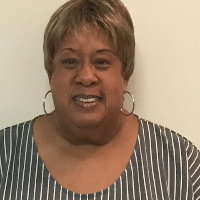





Amargo Crenshaw
LPC
Georgia - 20 yrs exp









How depression therapy typically works for Georgia residents
When you begin depression therapy in Georgia you usually start with an initial assessment. That appointment gives a therapist the chance to learn about your current symptoms, life circumstances, mental health history, and any prior treatment. From there you and the clinician work together to set goals and outline a treatment plan. Sessions are commonly weekly at first, and the plan may include talk therapy, behavioral strategies, skill building, and coordination with medical providers if medication is being considered.
Therapists in Georgia often draw from several evidence-based approaches. Cognitive behavioral techniques help you identify unhelpful thought patterns and develop alternative responses. Interpersonal approaches focus on relationships and role changes that can contribute to low mood. Behavioral activation aims to increase meaningful activity and routine. Therapists may blend these methods to match your needs, and they can explain how different approaches address the symptoms you are experiencing.
Finding specialized help for depression in Georgia
To find a therapist who specializes in depression, look for clinicians with experience treating mood concerns and with training in relevant approaches. You can check professional credentials such as licensed professional counselor, licensed clinical social worker, or psychologist. Many therapists list their specializations, years of experience, and the populations they work with in their profiles. If you live in a metropolitan area like Atlanta or Savannah you will usually find a wider variety of specialties and more frequent appointment availability. In smaller communities and more rural parts of the state, telehealth options can help you access therapists with specific expertise even if they are not nearby.
When searching you may want to pay attention to cultural competence, population focus, and any additional certifications. If you are a student or connected to a university community in Athens, for example, campus counseling centers may provide referrals or low-cost options. In cities such as Augusta or Columbus community mental health centers and nonprofit clinics can also be a place to start. It is appropriate to reach out with questions about a clinician's experience treating depression so you can determine whether their approach matches what you are looking for.
What to expect from online therapy for depression
Online therapy has become a common choice for many people in Georgia, and it offers practical benefits if you have limited local options, a busy schedule, or mobility constraints. When you choose online therapy you will typically meet with the same therapist through a video appointment platform or by phone. Expect the first session to cover informed consent, privacy practices, and a clinical assessment similar to an in-person visit. You will discuss goals and scheduling, and the therapist will describe how they handle crises and coordinate care if necessary.
Many people find online therapy convenient because it removes commuting time and makes it easier to fit appointments into a weekday or evening schedule. For rural residents, online sessions can broaden your choices and allow you to work with a clinician who has specific training in mood disorders. If you live in Atlanta or another large city you may have both in-person and online options, which allows you to decide whether a combination of formats works best for you. Before beginning, check whether the therapist accepts your insurance for telehealth, offers a sliding scale, and what technology is required for sessions.
Preparing for virtual appointments
To get the most from online therapy, plan a quiet, comfortable place where you will not be interrupted. Use headphones if you prefer to maintain a degree of auditory privacy during sessions. Make sure your device is charged and that you have a reliable internet connection. If there are moments when you need to pause a session or reschedule, communicate that with your therapist so you both know how to keep the work consistent. The therapeutic process is similar online and in person, and many people report meaningful progress through virtual appointments.
Common signs that someone in Georgia might benefit from depression therapy
Depression can show up in many ways, and you do not need to meet a particular checklist to seek help. You might notice persistent low mood, a loss of interest in activities you once enjoyed, changes in sleep or appetite, or decreased energy that makes daily tasks harder. Difficulty concentrating, a sense of worthlessness or excessive guilt, and frequent tearfulness are also common. For some people physical symptoms such as unexplained aches or changes in weight are a sign that mood concerns are present.
If your symptoms are interfering with work, school, relationships, or your ability to care for yourself, therapy can offer strategies and support. You might find that depressive symptoms worsen during seasonal changes, after life transitions, or during periods of high stress. If thoughts about harming yourself occur, it is important to seek immediate help through local emergency services or crisis lines in your area. Reaching out for assessment does not commit you to a long course of treatment, but it does provide an opportunity to explore options that can improve daily functioning.
Tips for choosing the right therapist for depression in Georgia
Start by clarifying what matters most to you in a therapist. Do you prefer a particular therapeutic approach, such as cognitive behavioral work or interpersonal therapy? Is it important that a therapist has experience with certain life stages, cultural backgrounds, or specific life events? Consider logistics as well - whether you want in-person visits in a city like Atlanta or an online clinician who can meet with you regardless of location. Pay attention to practical factors like appointment times, language preferences, and whether the clinician accepts your form of payment or insurance.
When you contact a therapist, ask about their experience treating depression and what a typical course of treatment looks like. Inquire about how progress is measured, how treatment priorities are set, and how long sessions usually last. Many therapists offer a brief phone consultation which can help you get a sense of their style and whether you feel comfortable working with them. Trust your sense of fit - the relationship you form matters. If a first therapist does not feel right, it is reasonable to try a different clinician until you find one who meets your needs.
Finally, consider how support fits into your broader life in Georgia. Community resources, peer support groups, and workplace assistance programs can complement therapy. If you have limited availability during business hours, evening or weekend appointments may be an important factor. In larger cities there may be more clinicians with specialized training, while in smaller communities you may prioritize a therapist who can provide flexible scheduling and a strong local network. Taking the time to compare options and ask questions will help you find the right match.
Moving forward with care
Beginning therapy for depression is a step toward managing symptoms and improving daily life. Whether you choose in-person care in Atlanta or Augusta, or you prefer online appointments that fit a busy schedule, there are clinicians in Georgia who focus on mood concerns and can help you build tools to cope and grow. Use the listings above to review profiles, reach out with your questions, and arrange consultations. With thoughtful selection and consistent engagement, therapy can become a practical resource as you work toward your goals.