Find a Divorce Therapist in Georgia
This page lists divorce therapists serving Georgia, with clinicians who help with separation, co-parenting, and emotional transition. Browse the profiles below to find therapists in Atlanta, Savannah, Augusta, and communities across the state.







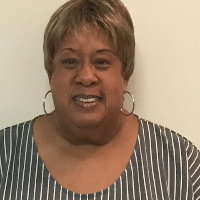




Amargo Crenshaw
LPC
Georgia - 20 yrs exp









How divorce therapy works for Georgia residents
When you seek divorce therapy in Georgia, you are signing up for a process aimed at helping you manage emotional strain and practical change during a difficult life phase. Therapy typically begins with an assessment of where you are now - the stresses you are facing, your immediate needs, and the goals you want to set. From there you and your therapist plan sessions that may focus on processing grief, improving communication, clarifying parenting plans, and building coping strategies for daily life. Sessions may be short-term to address urgent needs or longer-term to support deeper personal growth after the separation.
Therapists in Georgia often work with people who are coordinating with attorneys, mediators, or family court. Therapy is not legal advice, but it can help you think more clearly about decisions that have practical consequences. In places like Atlanta or Augusta you may find clinicians who regularly collaborate with legal professionals, while in smaller towns you may find therapists who provide broad support for emotional and parenting issues that arise during and after divorce.
Finding specialized help for divorce in Georgia
Finding a therapist who understands the dynamics of divorce will make a meaningful difference in your experience. Look for clinicians who describe experience with separation, co-parenting, custody transitions, blended family issues, or relationship conflict. You can search for professionals who list those specialties in their profiles, and you can ask potential therapists about the types of cases they have worked with and the approaches they use. In larger metropolitan areas such as Atlanta and Savannah there are often more clinicians who focus specifically on divorce and family transitions, but many skilled therapists throughout the state have relevant experience and can support you effectively.
Credentials and training matter. A therapist who has completed advanced training in family systems, trauma-informed care, or mediation-informed approaches may offer tools that fit your needs. When you contact a potential therapist, ask about their approach to divorce-related issues, whether they have experience working with children and co-parenting plans, and how they handle situations where therapy and legal processes intersect. You can also inquire about whether they provide documentation or summaries for court when appropriate, and whether they have experience testifying if that becomes necessary.
What to expect from online therapy for divorce
Online therapy has become an accessible option for many people in Georgia, including those who live outside major cities or who have schedules that make in-person sessions difficult. When you choose online therapy, you can expect to meet with your therapist by video or phone in a consistent, scheduled session. Many clinicians offer flexible hours to accommodate work and parenting responsibilities, and you may find it easier to fit sessions into your week without commuting to an office in Atlanta or traveling to Savannah or Augusta.
During online sessions you will work through many of the same topics you would address in person - emotional processing, communication skills, and planning for next steps. You should ask potential providers about how they protect your information and what policies they follow for record-keeping and emergency situations. You should also confirm whether they are licensed to provide therapy in Georgia if you are located in the state, and whether they can legally offer telehealth services to you. If you have children, ask how therapists support co-parenting work in an online format and whether they can include other family members in joint sessions when appropriate.
Common signs you might benefit from divorce therapy
You may find divorce therapy helpful when emotional pressure begins to affect your daily functioning. If you are having trouble sleeping, find it difficult to concentrate at work, or feel overwhelmed by persistent anxiety or sadness, a therapist can help you navigate those experiences. Therapy can also support you if conflict with your former partner is intense or if co-parenting conversations consistently escalate. If you find yourself replaying the past without moving forward, or if you notice patterns that repeat across relationships, a therapist can help you explore and change those patterns.
Other signs that therapy may be useful include feeling stuck when making practical decisions, such as housing or finances, struggling to rebuild social life after a separation, or feeling isolated from friends and family. If you are parenting through divorce and notice children are having trouble with behavior changes, mood swings, or school adjustment, a therapist who works with families can help you identify supportive steps and communication strategies that make transitions smoother for both you and your children.
Tips for choosing the right divorce therapist in Georgia
Choosing a therapist is a personal decision, and you should look for someone whose style and skills fit your needs. Start by clarifying what you want help with - emotional support, co-parenting guidance, conflict resolution, or rebuilding your life after divorce. Use those priorities to narrow your search. Read therapist profiles to learn about their training and stated specialties, and schedule initial consultations to get a sense of how they listen and what methods they use. Many therapists offer a brief phone call or introductory session to determine fit.
Consider practical factors such as location and availability. If in-person work is important to you, check for clinicians in areas you can reach easily, such as Atlanta or Augusta. If you live outside major cities, telehealth can broaden your choices and connect you with specialists who are not nearby. Discuss fees, insurance, and sliding scale options up front so there are no surprises. If you are working with an attorney, ask whether the therapist has experience coordinating care when legal proceedings are underway, and whether they can provide the type of documentation you might need.
Also think about cultural fit and personal comfort. You should feel heard and respected by your therapist, and you should be able to speak openly about values and family traditions that matter to you. If faith, culture, or community context is important in your healing, inquire about a therapist’s experience working within those frames. Trust your impressions from the first few sessions; if something does not feel right, it is okay to try another clinician until you find the right match.
Local considerations and resources across Georgia
Georgia is geographically and culturally diverse, and resources vary between urban centers and smaller towns. In Atlanta you will often find a wide range of specialists, clinics, and group programs focused on divorce recovery and co-parenting education. Savannah and Augusta also offer clinicians with family-focused practices and community resources that can help you connect with support groups and parenting services. If you live in a smaller community, online therapy can bridge gaps in local availability and help you access clinicians with specialized expertise.
When seeking support, consider community programs that complement therapy, such as parenting workshops, divorce education classes, or local support groups. These resources can provide practical tools while you work with a therapist on emotional healing. If you are balancing work, parenting, and legal needs, a combination of therapy, educational workshops, and peer support can offer a rounded approach to managing the transition.
Taking the next step
Reaching out for help is a strong first step toward rebuilding and finding balance after a separation. Use the listings above to compare profiles, read about therapists’ approaches, and connect with clinicians who match your needs. Whether you prefer in-person sessions in Atlanta or telehealth appointments from a rural county, you can find professionals who will help you navigate the practical and emotional work of divorce with care and competence.
When you are ready, contact a therapist to ask about availability, their experience with divorce-related issues, and what an initial plan of care might look like. Taking that first step can give you clearer direction and more control over the next chapter of your life.