Find an HIV / AIDS Therapist in Georgia
This page lists therapists who specialize in HIV / AIDS care across Georgia. You will find clinicians with experience addressing the emotional, relational, and life-management concerns that often accompany an HIV diagnosis.
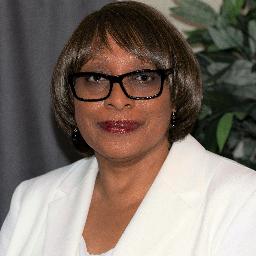
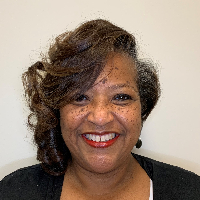
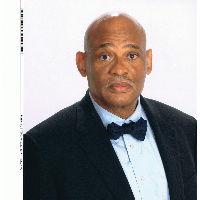
Browse the practitioner profiles below to compare approaches, credentials, and availability in your area.



















How HIV / AIDS therapy works for Georgia residents
If you are living with HIV or supporting someone who is, therapy can help you manage stressors that relate to the condition as well as everyday life. Therapy typically begins with an intake session where a clinician gathers information about your current concerns, medical context, social supports, and goals. From there you and your therapist will agree on a plan - that plan may focus on coping with stigma, processing grief, strengthening relationships, addressing anxiety or depression, or supporting adherence to medical care. Therapists who work in this specialty often coordinate with medical providers, case managers, and community organizations to help you access services that complement talk therapy.
Most therapists use evidence-informed methods, which may include cognitive-behavioral techniques to manage unhelpful thinking, trauma-informed approaches if you have experienced trauma, and motivational strategies to support behavior changes related to health and wellbeing. In Georgia, these services are available in urban centers as well as suburban and rural communities - you will find clinicians practicing in Atlanta, Savannah, Augusta and other cities, and many are experienced with the regional resources that can help you outside of sessions.
Finding specialized help for HIV / AIDS in Georgia
When looking for a specialist, begin by identifying therapists who list HIV / AIDS experience on their profiles. You should also consider clinicians who note experience with related issues - for example, work with chronic illness, trauma, sexual health, LGBTQ+ communities, or substance use - because these areas often overlap. Licensing matters - you should choose someone who is licensed to practice in Georgia, especially if you plan to use telehealth services. If you live in or near Atlanta you may have access to a wider range of specialists, while cities like Savannah and Augusta can offer therapists who understand the local healthcare networks and support services. If transportation or scheduling is a barrier, look for clinicians offering flexible hours or remote sessions.
Local resources and coordination
Therapists who focus on HIV / AIDS often maintain relationships with local clinics, support groups, and community programs. A clinician who knows the Georgia landscape can help you navigate benefits, connect with support groups in your city, and coordinate referrals for additional services. If you are newly diagnosed, a therapist can help you process the initial adjustment and link you with community-based organizations in Atlanta or smaller towns across the state that provide education and practical assistance.
What to expect from online therapy for HIV / AIDS
Online therapy has expanded access to specialized clinicians, which can be especially helpful when local options are limited. When you choose remote sessions you can expect appointments by video or phone in a format similar to in-person therapy. Sessions usually last 45 to 60 minutes and follow a regular schedule, though some clinicians also offer brief check-ins by messaging between sessions. Before beginning, confirm that the therapist is licensed in Georgia and ask about their telehealth policies, technology requirements, and privacy protections. Many therapists will explain how they handle privacy and records during an initial call so you understand how information is stored and shared.
Online therapy can be particularly useful if you need a clinician with specific experience - for example, someone skilled in trauma work or in supporting medication adherence - and that person may not be located in your immediate area. If you live in Savannah or a rural county, telehealth can provide continuity of care with a specialist who understands HIV-related challenges even if they are based in Atlanta or another city.
Common signs that someone in Georgia might benefit from HIV / AIDS therapy
There is no single reason people seek help, but there are common indicators that therapy could be helpful. You might notice persistent anxiety or low mood related to diagnosis or stigma, trouble maintaining relationships, difficulty managing medication routines, or increased substance use as a way to cope. Some people struggle with body image, sexual health concerns, or feelings of isolation that make daily life harder. You may also experience grief - for example, grieving a loss of health expectations or mourning a loved one - and find it useful to process those feelings with a skilled clinician.
If you are dealing with repeated healthcare stress - navigating appointments, insurance, and disclosure decisions - a therapist can help you develop practical strategies and emotional resilience. Whether you live in a metropolitan area like Atlanta or a smaller community, feeling overwhelmed, distracted, or unable to enjoy relationships are valid indications that working with a therapist could support your wellbeing.
Tips for choosing the right therapist for this specialty in Georgia
Start with credentials and experience. Look for licensed clinicians who list experience working with people affected by HIV / AIDS or with related specialties such as chronic illness, trauma, or sexual health. Consider their therapeutic orientation and whether their described approach fits your preferences - some people find structured approaches helpful, while others prefer a more exploratory, relational style. Ask about experience with the particular challenges you face, whether that is adherence concerns, stigma and disclosure, relationship counseling, or supporting diverse sexual identities.
Practical matters also matter - verify that a therapist accepts your insurance or offers a sliding scale, and check whether they provide telehealth if you need remote sessions. If geography is a factor, seek clinicians who are familiar with local resources in Atlanta, Savannah, or Augusta, because that familiarity can make referrals and coordination smoother. When you contact a prospective therapist, notice how they respond to your questions about goals, approach, and accessibility - feeling heard and respected in an initial conversation is often a good sign of a productive working relationship.
Building a therapeutic relationship
Once you begin, give yourself and the therapist a few sessions to assess fit. Therapy is most effective when you feel that your clinician understands your situation and collaborates with you on goals. Good therapists should be willing to discuss how they work, adapt strategies to your needs, and recommend other services when appropriate. If you encounter challenges with scheduling, insurance, or communication, bring these up early so they can be addressed. If after a fair trial you do not feel the relationship is a good match, it is acceptable to seek a different clinician who better fits your needs.
Moving forward in Georgia
Finding the right HIV / AIDS therapist can be an important step toward improving quality of life and building coping skills. Whether you live in a large metro area or a smaller community, options exist and many clinicians in Georgia are experienced in the emotional and practical complexities that accompany HIV. Use listings to compare clinicians, read profiles closely, and reach out with questions about approach, availability, and coordination with medical care. With the right support, you can address immediate challenges while strengthening tools for long-term wellbeing and connection.