Find an Infidelity Therapist in Georgia
This page connects you with therapists who specialize in infidelity treatment throughout Georgia. Each listing highlights clinicians' training, approach, and areas served to help you compare options.
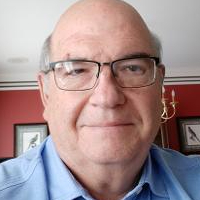
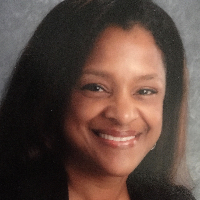
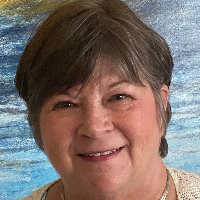
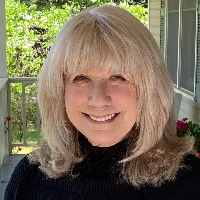
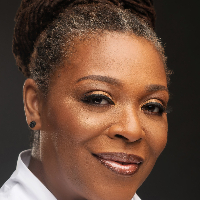
Browse the therapist grid below to view profiles in Atlanta, Savannah, Augusta and other communities, and choose a clinician who feels like the right fit.

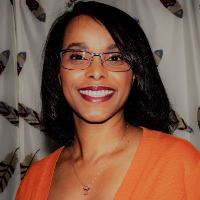




Dr. Anila Malik
LPC
Georgia - 36 yrs exp







How infidelity therapy works for Georgia residents
If you are dealing with the fallout from an affair, therapy can offer a structured way to understand what happened and to decide what comes next. In the first few sessions a therapist typically asks about the history of the relationship, the circumstances around the betrayal, and immediate concerns such as safety, boundaries, and whether both partners want to continue working together in therapy. You and your clinician will set goals - these might include understanding the factors that led to the infidelity, improving communication, rebuilding emotional connection, or helping an individual process the trauma of betrayal. Sessions may be scheduled for couples together, for one partner alone, or a mix of both depending on the needs you identify.
In Georgia, many clinicians tailor their approach to local cultural norms, family structures, and community expectations. Whether you live in the metro Atlanta area or a smaller city like Savannah or Augusta, therapists aim to help you make decisions that fit your life and values. If you or your partner are worried about immediate safety or ongoing harm, it's important to address those concerns early in therapy so the clinician can help you find appropriate supports.
Finding specialized help for infidelity in Georgia
Looking for a therapist who understands infidelity means considering both clinical experience and professional credentials. Licensed marriage and family therapists, licensed professional counselors, clinical social workers, and psychologists often list infidelity as a specialty. You can look for clinicians who explicitly note experience with affairs, betrayal trauma, and relationship repair. Many Georgia therapists highlight specific modalities that work well with infidelity issues - for example emotionally focused interventions, trauma-informed approaches, and structured couples therapy models. When you read profiles, pay attention to education, licensure, years of experience, and whether the clinician describes working with couples, individuals, or both.
Because Georgia has urban centers and broad rural areas, where you live may influence the type of help that is most accessible. Atlanta typically offers a larger pool of specialists, including clinicians with niche experience in affairs, mixed-orientation relationships, and sex therapy. Savannah and Augusta also have experienced practitioners, and teletherapy has made it more feasible for people in smaller communities to access clinicians who are farther away. If you need referrals for legal, medical, or financial questions related to an affair, ask your therapist - they can often recommend attorneys, financial counselors, or medical providers in Georgia who understand how these concerns intersect with relationship work.
What to expect from online therapy for infidelity
Online therapy can be a practical option for people in Georgia who need flexibility, anonymity, or access to specialists who are not nearby. When you begin online sessions, your therapist will typically explain how they conduct couples sessions versus individual sessions over video. You can expect many of the same goals and interventions as in-person work - assessment, emotion-focused exercises, communication skill building, and processing of betrayal-related grief. Some exercises may be adapted for the online format, such as guided conversations or structured worksheets you complete between sessions.
Technology also affects logistics - you will want a quiet place to talk, reliable internet, and a device with a camera and microphone. Therapists discuss boundaries for online communication, session length, and what to do if a session is interrupted. If either partner lives in a different state, be aware that licensure requirements vary - most therapists can only provide ongoing teletherapy to clients located in the states where they are licensed. Ask about the clinician's telehealth policies and how they handle emergency planning so you know what to expect if intense emotions arise during a session.
Common signs you might benefit from infidelity therapy
You might consider seeking specialized help if you notice persistent mistrust, recurring arguments about fidelity, or strong emotional reactions tied to an affair that interfere with daily life. You may experience intrusive thoughts, difficulty sleeping, avoidance of intimacy, or a desire to understand patterns that contributed to the betrayal. If one partner wants to repair the relationship while the other is unsure, therapy can provide a forum for honest conversations and structured decision-making. Even if you decide not to stay together, therapy can help with co-parenting plans, setting healthy boundaries, and managing ongoing contact. Many people also reach out when they feel unable to process shame, anger, or grief on their own and want guidance on how to move forward in a way that aligns with their values.
Tips for choosing the right infidelity therapist in Georgia
Start by deciding whether you want a clinician who sees couples, individuals, or both. If you plan to attend together, ask whether the therapist has experience managing heated conversations and working with couples at different stages of readiness. When you read profiles, look for practitioners who explain their approach to infidelity clearly - for example, whether they focus on emotional attachment, trauma recovery, or behavioral repair techniques. Contacting a few clinicians for a brief conversation can help you assess fit - you can ask about availability, session format, fees, insurance, and how they incorporate teletherapy when needed.
Consider practical factors that are meaningful in Georgia - commute time in Atlanta traffic, evening appointments if you work standard hours, or a clinician who is culturally attuned to your background and community. If language access matters, seek clinicians who offer services in your preferred language. Remember that the therapeutic relationship itself is a key factor in progress - trust your instincts about whether you feel heard and respected during an initial consultation. If you do not feel a good fit, it is reasonable to try another clinician until you find someone who meets your needs.
Questions to ask during a first call
When you reach out, ask how the therapist typically approaches infidelity, whether they work with both partners at once, and what they consider realistic short-term goals. You can inquire about their training in trauma-informed care or specific couples models, and whether they offer referrals for specialized needs such as sex therapy or legal counseling. Ask about their cancellation and payment policies so there are no surprises, and whether they offer a brief introductory session to determine fit. Clear communication early on helps set expectations for the work ahead.
Finding continued support in Georgia
Recovery from infidelity is often not linear. You may find that different phases of this work call for different types of help - intensive couples sessions at first, followed by individual therapy to process emotions, or periodic check-ins months later. Community resources such as support groups, faith-based counselors, and workshops may complement individual therapy. If you live in Atlanta, Savannah, or Augusta, look for local groups or workshops that focus on relationship repair and healing. For those in more rural parts of Georgia, teletherapy and online workshops can expand your options.
Ultimately, the most important step is reaching out. Whether you want to repair a relationship, understand why the betrayal happened, or create a safe path forward for yourself, a therapist with experience in infidelity can guide you through practical decision-making and emotional recovery. Use the listings on this page to compare clinicians, read their profiles, and schedule a consultation with someone who feels like the right match for your situation.