Find an Intimacy Issues Therapist in Georgia
This page lists Georgia therapists specializing in intimacy issues, including clinicians who provide in-person and online care. Browse the listings below to compare approaches, credentials, and areas served across the state.








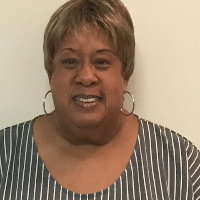
Dr. Anila Malik
LPC
Georgia - 36 yrs exp















How intimacy issues therapy works for Georgia residents
When you begin therapy for intimacy issues in Georgia, expect a process that starts with assessment and listening. A therapist will typically gather information about your relationship history, sexual health, communication patterns, and any recent changes or stressors that may be affecting closeness. From that assessment they will collaborate with you to identify goals - whether you want to rekindle desire, repair trust, address sexual concerns, or improve emotional connection. Sessions often move between exploring underlying emotions and learning practical skills you can use between meetings.
Therapists use a variety of evidence-informed approaches that are commonly offered across Georgia. Some clinicians focus on emotionally focused work designed to deepen attachment and safety between partners. Others draw on cognitive-behavioral techniques to address anxiety or negative beliefs about intimacy. Sex-focused therapy may include education about physiology, communication exercises, and structured home practices that support gradual change. You should expect treatment to be paced to your comfort level, with therapists inviting steady steps toward greater connection rather than sudden or extreme interventions.
Finding specialized help for intimacy issues in Georgia
You can find specialized help in many settings throughout the state, from private practices to community clinics and university counseling centers. In Atlanta you will typically find a broad range of clinicians with specialized training in relationship and sex therapy, while coastal regions such as Savannah may offer experienced therapists who combine couples work with trauma-informed approaches. Augusta and Columbus commonly have clinicians who balance in-person availability with telehealth hours, and college towns like Athens may have additional resources for younger adults and students.
When searching for a specialist, look for training and credentials relevant to intimacy and relationship work. Therapists who list certifications or advanced training in sex therapy, couples work, or trauma-informed methods are more likely to have specific tools for intimacy-related concerns. You can also consider whether you want a therapist who works primarily with individuals, couples, or both, and whether cultural competency or experience with LGBTQ+ issues, aging, or chronic illness is important for your situation. Many Georgia providers include detailed profiles that describe their training, typical clients, and session formats - reviewing those profiles helps you narrow options before reaching out.
What to expect from online therapy for intimacy issues
Online therapy has become a common option in Georgia and can be a convenient way to access specialists who may not be local. When you choose online sessions, expect a format similar to in-person work in terms of assessment and therapeutic goals. Your therapist will ask about your environment and may suggest practical adjustments to help you engage in therapeutic exercises at home. Some exercises may be adapted for remote delivery, and therapists often assign between-session practices that you can do on your own or with your partner.
There are practical considerations specific to online care. You should plan a quiet, comfortable environment for sessions where you can speak openly and without interruption. If you live in a shared household, you may need to arrange a time when you can be undisturbed or use headphones. Your therapist will explain how they handle scheduling, payment, and any technical needs. If you prefer hybrid care, many clinicians in larger cities such as Atlanta and Augusta offer both in-person and virtual appointments to fit different preferences.
Licensure and cross-state care
If you are seeking online therapy from a therapist located outside Georgia, it is important to confirm that they are authorized to practice with Georgia residents. Licensing rules vary by state and clinicians will typically note the states in which they are licensed. Asking about licensure is a practical step when you first contact a provider, and it ensures that you are receiving services from a clinician who can legally provide care to Georgia residents.
Common signs that someone in Georgia might benefit from intimacy issues therapy
You might consider seeking therapy if you notice persistent patterns that reduce closeness or cause distress in your relationship. Common signs include ongoing difficulty talking about sex or emotional needs, repetitive arguments about the same subjects, avoidance of physical or emotional closeness, and a mismatch in desire that leads to frustration or withdrawal. You might also notice anxiety or shame around sexual activity, recent changes in intimacy after life transitions such as new parenthood or illness, or difficulty trusting a partner after an affair or breach of boundaries.
Intimacy concerns do not always present as crises. Sometimes they appear as a slow drift in connection, where you feel less known or less interested in mutual activities. If you find yourself wishing for greater warmth, better communication, or a return to a more satisfying sexual life, working with a therapist can offer structured support. Seeking help early can make it easier to develop new patterns before issues become entrenched.
Tips for choosing the right therapist for this specialty in Georgia
Begin by identifying the qualities that matter most to you. You may prioritize clinical training in sex or couples therapy, a therapist's approach to emotion and behavior, or practical considerations such as availability and cost. Look for therapists who describe their experience treating intimacy concerns and who are explicit about the populations they serve - for example couples at different life stages, individuals recovering from trauma, or people navigating changes in sexual function.
Schedule an initial consultation to get a sense of fit. Many therapists offer brief intake calls or a first session that lets you ask about approach, expected course of treatment, and how they work with partners when both are involved. Use this opportunity to ask how they handle boundaries, homework assignments, and coordination of care if you are also seeing a medical provider. Comfort and rapport are important - you should feel heard and respected during that first contact.
Consider logistics that matter to daily life in Georgia. If you live in or near Atlanta, a larger city network may provide broader specialty options and flexible hours. In smaller cities such as Savannah, Augusta, Columbus, or Athens you might find clinicians who offer deep local knowledge and community-oriented practice. If affordability is a priority, ask about sliding scale options or whether a therapist accepts insurance. Some providers list payment options on their profiles, while others will discuss them during an intake call.
Moving forward with care
When you are ready to reach out, contacting a few therapists and asking short questions can help you find the best match. Describe your main concerns, ask about relevant experience, and clarify practical details such as session length and cancellation policies. Therapy for intimacy issues is often collaborative and goal-oriented, and choosing a clinician who aligns with your needs and values increases the chance that you will feel supported and make meaningful changes.
Whether you live in a busy neighborhood of Atlanta, a historic district in Savannah, a growing community in Augusta, or elsewhere in Georgia, there are therapists who focus on rebuilding connection, enhancing communication, and improving sexual well-being. Taking the first step to explore profiles and reach out for an initial conversation can open a pathway toward renewed closeness and greater mutual understanding in your relationships.