Find a Jealousy Therapist in Georgia
This page highlights therapists in Georgia who specialize in jealousy and relationship-related concerns. Browse clinician profiles for options offering in-person and online appointments across Atlanta, Savannah, Augusta and other communities below.

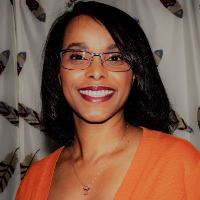




Dr. Anila Malik
LPC
Georgia - 36 yrs exp

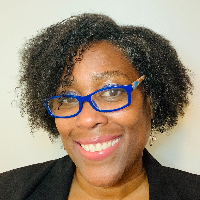


Amargo Crenshaw
LPC
Georgia - 20 yrs exp












How jealousy therapy works for Georgia residents
If jealousy is affecting your relationships, work, or daily mood, therapy offers a structured way to understand and change the patterns that keep it active. In sessions you and a clinician will examine the feelings, memories, and behaviors that arise when jealousy appears. Therapy often combines exploration of past experiences that shape your attachment style with practical skills for managing intense emotions in the moment. Over time you learn to notice the warning signs, respond differently to triggers, and communicate needs without escalating conflict. Many people in Georgia find that this approach reduces the intensity of jealous reactions and improves trust and connection with partners, friends, and family.
Typical approaches used in jealousy work
Therapists who focus on jealousy commonly draw from several evidence-informed approaches. Cognitive-behavioral techniques help you identify and reframe unhelpful thoughts that fuel jealousy. Emotion-focused work supports you in tolerating and processing painful feelings rather than acting on them. Attachment-informed therapy explores how early relationships influence current fears around abandonment and rejection. When jealousy appears in the context of a romantic relationship, couples therapy techniques can create a space to rebuild safety and agreement about boundaries. A skilled clinician will tailor these methods to match your goals and rhythm.
Finding specialized help for jealousy in Georgia
When you begin searching for a therapist in Georgia, prioritize clinicians who list jealousy, relationship concerns, or emotion regulation as areas of focus. You will find professionals practicing in metropolitan centers like Atlanta as well as coastal and smaller communities such as Savannah and Augusta. Look for bios that describe experience with relationship dynamics, work with partners, or training in attachment and emotion-focused models. Credentials such as licensed professional counselor, clinical social worker, or marriage and family therapist indicate formal training and state oversight. Reading several profiles will give you a sense of who describes an approach that resonates with your needs.
Questions to ask as you search
Before you schedule a first appointment, consider asking potential therapists about their experience with jealousy specifically, whether they work with individuals, couples, or both, and how they structure early sessions. You may want to know how they handle safety and privacy, what a therapy session typically looks like, and whether they offer flexible scheduling or evening appointments for those balancing work and family. Many clinicians will also explain their typical goals for the first few weeks so you know what to expect from the early phase of care.
What to expect from online therapy for jealousy
Online therapy has become a common option for people across Georgia who prefer the convenience of video or teletherapy. When you choose an online appointment, sessions usually mirror in-person work in content - you and the therapist talk through emotions, practice new ways of responding, and review progress over time. Online formats can be particularly helpful when jealousy issues involve partners who live in different places or when scheduling in-person visits is difficult. Therapy platforms and clinicians vary in how they protect client information and manage technical aspects, so it is reasonable to ask about the technology used and any steps taken to protect your privacy.
Practical considerations for online care
If you opt for online sessions, think about where you will join from to ensure a comfortable, interruption-free environment. You might choose a quiet room at home or another setting where you feel relaxed and able to speak openly. Some people prefer splitting sessions between individual and couples work, with some meetings online and others in person when possible. Keep in mind that therapists who serve Georgia residents typically follow state practice guidelines, and many are familiar with the specific cultural and community factors that shape relationships across the state, from urban Atlanta neighborhoods to coastal Savannah communities.
Signs you might benefit from jealousy therapy
Jealous feelings are a common human experience, but therapy can be especially useful when those feelings become frequent, overwhelming, or lead to actions that harm your relationships. If you find yourself checking a partner's messages or social media repeatedly, feeling intense anxiety or anger at the thought of a partner's interactions with others, or withdrawing to avoid perceived threats, those are clear signals that support could help. You might also seek help if jealousy is interfering with your work or friendships, if it prompts controlling behaviors, or if it triggers cycles of fighting and making up that leave you exhausted. Therapy can help you understand the underlying triggers and develop responses that preserve your relationships and personal wellbeing.
Tips for choosing the right therapist in Georgia
Start by clarifying what you want to change and whether you prefer individual, couples, or a combination of both types of sessions. Read therapist bios carefully to find clinicians who describe relevant training and who write in a tone that feels approachable. Consider practical matters like location if you prefer in-person meetings, or scheduling and availability for online care. Ask about fees, insurance participation, and whether the clinician offers a sliding scale or session packages to fit different budgets. Cultural fit matters too - therapists who understand the social contexts of Georgia towns and cities can often make connections between your experiences and local norms in a helpful way, whether you live in Atlanta, commute to Augusta, or spend time near Savannah.
What to do after you choose a therapist
Once you select a clinician, plan to use the first few sessions to set goals and assess fit. Therapy works best when there is a working alliance - a sense that you and the therapist are collaborating toward clear aims. If after a few sessions the approach does not feel right, it is acceptable to discuss adjustments or to seek another clinician whose style matches you better. Progress can be gradual; many people notice small but meaningful changes within a few months, while deeper patterns may take longer to shift. Consistency, openness to new strategies, and honest communication with your clinician will help you get the most from treatment.
Making therapy feel relevant to your life
Jealousy often ties to core needs like closeness, trust, and self-esteem. In therapy you will work on both managing immediate emotions and building strengths that reduce vulnerability over time. Your clinician can help you practice having conversations that increase mutual understanding, set boundaries that feel fair, and build routines that reinforce trust. Whether you live in a busy neighborhood in Atlanta, a historic quarter of Savannah, or near Augusta's riverfront, the skills you learn can be applied across everyday situations and tested in real life between sessions.
Finding the right therapist in Georgia is about combining clinical skill with a personal fit that feels supportive. Use the listings on this page to explore clinician profiles, read about approaches and experience, and reach out to those whose descriptions resonate. Taking that first step can open a path toward greater calm, clearer communication, and healthier relationships.