Find a Kink Therapist in Georgia
This page highlights licensed clinicians and kink-aware therapists who work with consensual kink matters across Georgia. Browse the listings below to compare approaches, credentials, and availability in your area.








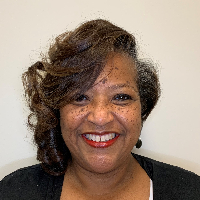


Margaret Gibson Ellison
LPC
Georgia - 23 yrs exp













How kink therapy typically works for Georgia residents
If you decide to pursue kink-informed therapy in Georgia, you will find that many clinicians blend standard mental health techniques with specialized knowledge about BDSM, power exchange, and alternative relationship forms. Therapy often begins with an intake conversation to understand your history, goals, and current concerns. That conversation covers consent practices you use, relationship dynamics, safety protocols, and any mental health issues that intersect with your kink life. From there you and your therapist set goals - that might mean improving communication around scenes and aftercare, managing anxiety related to kink activities, healing from non-consensual experiences, or exploring kink identity in a nonjudgmental space.
Therapists who advertise themselves as kink-aware or kink-competent usually emphasize informed consent, boundary-setting, and harm reduction. They should be willing to discuss what being kink-competent means in practice, including which interventions they use and how they stay current through training and supervision. In Georgia, as elsewhere, clinicians work under state licensure rules and professional ethics, and you can expect them to be professional, respectful, and to explain limits to privacy protections and reporting obligations at the start of care.
Finding specialized help for kink in Georgia
Searching for a therapist who understands kink can feel overwhelming, but there are practical ways to narrow your options. Start by reviewing therapist profiles for explicit mention of kink, BDSM, polyamory, or sex-positive practice. Look for clinicians who note specific training, supervision, or experience with community-informed practices. If you live in or near larger cities such as Atlanta, Savannah, or Augusta you will often find more clinicians advertising this specialty, while smaller towns may require a longer commute or more reliance on remote sessions.
When you contact a potential therapist, a brief initial conversation can tell you a lot. You can ask about their approach to consent, how they handle safety planning, and whether they have experience working with people who identify across the kink spectrum. Good clinicians will be open to questions and will describe how they collaborate with clients to support healthy, consensual expression of kink within the context of mental health and wellbeing.
Working with therapists in urban and rural parts of Georgia
Georgia's geographic diversity means access varies by location. In Atlanta you may find multiple clinicians with deep expertise in kink-informed care, as well as community resources and peer networks. Savannah and Augusta also host clinicians who understand kink, and smaller cities can offer compassionate care though fewer specialized options. If you are in a rural area and local options are limited, many Georgia therapists offer remote sessions that broaden your choices while still allowing you to maintain continuity with local legal and emergency resources.
What to expect from online therapy for kink
Online therapy makes it possible for you to access kink-aware clinicians regardless of where you live in Georgia. Sessions through video or phone can mirror in-person therapy in many ways - you will still have an intake, collaborative goal-setting, and follow-up sessions that use talk therapy, cognitive techniques, or trauma-informed methods as appropriate. You should expect your therapist to discuss privacy practices for telehealth, how they handle records, and what happens in the event of an emergency. Because some situations require in-person intervention, your clinician may also share local resources in Atlanta, Savannah, Augusta, or your nearest community.
When setting up remote sessions, choose a time and place where you can speak without interruption and where you feel comfortable. Using headphones can help you hear clearly, and confirming contact methods in case of technical issues can reduce stress. If your work with kink involves scene planning or safety protocols, you and your therapist will address how to discuss those topics responsibly in a remote format, including boundaries around sharing images or multimedia material, and steps to take if an urgent situation arises.
Common signs that someone in Georgia might benefit from kink therapy
You might consider seeking kink-informed therapy if you experience persistent shame or anxiety about your interests, repeated relationship conflict tied to kink boundaries, or difficulty communicating needs and limits. Therapy can help if you feel distressed about negotiating consent, if past non-consensual experiences are interfering with present enjoyment, or if power dynamics in relationships are causing emotional harm. You may also seek support when you are exploring identity - such as coming out as kink-identified - and want guidance on how to navigate social, family, or workplace conversations in locations with different cultural climates.
Other reasons to pursue therapy include managing risk and safety in ways that reduce harm, integrating kink into your life while taking care of mental health, and addressing co-occurring concerns such as depression, anxiety, or trauma symptoms. A kink-informed therapist helps you examine patterns, develop practical communication skills, and craft safety plans tailored to your living situation in Georgia, whether you are in a city neighborhood near downtown Atlanta or a quieter community outside of Augusta.
Tips for choosing the right therapist for kink in Georgia
Choosing the right therapist involves both practical and personal considerations. First, verify that the clinician is licensed to practice in Georgia and ask about their educational background and credentialing. Look for therapists who explicitly reference kink-awareness or sex-positive practice in their bios and who describe relevant training or ongoing consultation. You should also consider logistical factors such as whether they offer evening appointments, accept your insurance, or provide sliding scale fees if affordability matters to you.
Compatibility matters. During an initial consultation, notice whether you feel heard and whether the therapist demonstrates curiosity without judgment. Ask how they approach consent and safety, how they address power dynamics, and how they collaborate on goals. It is reasonable to inquire about how they involve partners or support people when appropriate, and whether they can provide referrals to community resources in Atlanta, Savannah, Augusta, or elsewhere in Georgia. If you have specific sexual health or legal concerns, your therapist can often coordinate with medical or legal professionals while respecting your preferences.
Questions to bring to an initial consultation
When you meet a therapist for the first time, consider asking about their experience with kink-related work, what modalities they use, and how they handle crisis situations. You might ask how they balance curiosity with professional boundaries, what their expectations are for session frequency, and how they handle record-keeping and consent documentation. It is also appropriate to ask about typical outcomes for people with similar goals and whether they offer short-term focused work or ongoing therapy. These questions help you assess fit and make an informed choice about starting care.
Taking the next step
Looking for kink-informed care in Georgia is about finding someone who understands both your relationship dynamics and the broader mental health context. Whether you live near the bustle of Atlanta, the coastal atmosphere of Savannah, or the regional centers around Augusta, you can locate therapists who approach kink with respect and clinical expertise. Use profile information, initial consultations, and your own instincts to decide who feels like the right partner for your goals. When you are ready, reach out to schedule a consultation and take the first step toward care that aligns with your values and needs.