Find an Obsession Therapist in Georgia
This page connects you with therapists who specialize in obsession-related concerns throughout Georgia. Browse therapist profiles by location, approach, and availability to find a good match.
Use the listings below to compare practitioners and reach out directly to schedule a consultation or ask questions.

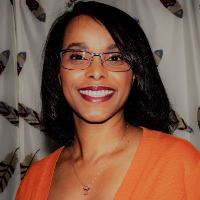



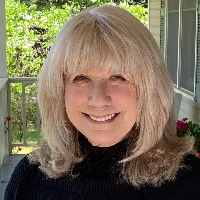
Dr. Anila Malik
LPC
Georgia - 36 yrs exp














How obsession therapy typically works for Georgia residents
If you are seeking help for persistent obsessive thoughts or repetitive behaviors, therapy aims to give you tools to understand and manage those experiences. Sessions focus on learning strategies that reduce the power obsessions have over your daily life, and you and your therapist work together to set practical goals. In Georgia, as elsewhere, therapists draw on evidence-informed approaches while tailoring work to your needs, cultural background, and daily routines. Over time you can expect to build skills for noticing triggers, responding differently to intrusive thoughts, and increasing activities that align with your values.
Common therapeutic approaches
Cognitive behavioral approaches are commonly used to address obsessive thinking and related behaviors. One well-known method helps you identify unhelpful thought patterns and test them through gradual exposure to feared situations, with guidance on reducing compulsive responses. Other therapists use cognitive restructuring to challenge rigid beliefs that sustain obsessions, or acceptance-based strategies to reduce struggle with intrusive thoughts. Your therapist may combine techniques and adjust pacing based on your comfort level and progress.
What to expect in early sessions
Early sessions typically involve assessment and collaborative planning. Your therapist will ask about the nature and frequency of obsessive thoughts or repetitive behaviors, how they affect your relationships, work, or school, and any coping strategies you already use. Together you will prioritize goals and consider whether short-term focused work or a longer plan is most appropriate. If you prefer in-person care, you can seek a therapist near major centers like Atlanta, Savannah, or Augusta; if you prefer remote appointments, many Georgia clinicians offer online sessions that fit different schedules.
Finding specialized help for obsession in Georgia
When you look for a therapist in Georgia, consider both clinical experience with obsession-related concerns and practical fit. Specialized experience might include focused training in exposure techniques, cognitive approaches, or working with particular populations such as teens or veterans. In urban areas like Atlanta, you may find a wider range of specialists and subspecialties, while smaller markets may offer clinicians who bring diverse skills to each case. Savannah and Augusta each have community mental health centers and private practitioners who provide nuanced care, and college towns such as Athens often have clinicians experienced with student life and transition-related stressors.
Licensure and local practice norms also matter. Therapists licensed to practice in Georgia are familiar with state resources, referral networks, and mental health regulations that affect treatment delivery. If you need coordination with medical providers for medication management or other services, find a therapist comfortable collaborating with physicians and psychiatrists in your area.
What to expect from online therapy for obsession
Online therapy can be a good option if you have limited local options, a busy schedule, or mobility constraints. You can connect with a Georgia-based therapist from home or sit in your car between appointments if needed. Online sessions typically follow the same structure as in-person work: assessment, skill-building, and practice assignments. Therapists will guide you through exposure exercises and cognitive strategies using a digital platform, and they will discuss safe ways to practice exposures in your environment. Make sure you have a private place to talk without interruptions and a reliable internet connection, and ask about what to do if a technical issue interrupts a session.
Not all clinicians provide remote services, and some may limit telehealth to residents of Georgia due to licensing. If you plan to work with an online provider, confirm that they are authorized to work with clients in your state and that they have experience delivering obsession-focused therapy remotely.
Common signs you might benefit from obsession therapy
You might consider seeking therapy if obsessive thoughts or repetitive behaviors are taking up a lot of your time, causing significant distress, or getting in the way of daily responsibilities. You may notice that you avoid situations because of intrusive thoughts, that you perform rituals to reduce anxiety, or that worry about worst-case scenarios interferes with relationships. Some people come for help when their routines feel rigid or when they feel trapped by repetitive mental habits. If these patterns persist despite your efforts to manage them on your own, a therapist can help you learn approaches to reduce their intensity and regain flexibility.
It is also common to seek help when obsessive thinking leads to isolation, sleep disruption, or impaired performance at work or school. If you ever feel at risk of harming yourself or someone else, contact emergency services immediately or seek urgent care. For ongoing concerns that fall short of crisis, professional therapy offers a structured way to address the patterns that keep you stuck.
Tips for choosing the right obsession therapist in Georgia
Begin by thinking about what matters most to you in treatment. Some people prioritize a therapist who specializes in obsession-related work and has training in exposure or cognitive therapies. Others value accessibility, such as evening hours or weekend sessions, or a therapist who offers both in-person and online options. Look for clinicians who describe experience with similar concerns and who explain their approach in clear, understandable terms. You might prefer someone who emphasizes gradual exposure and practical homework, or you may be drawn to a therapist who integrates mindfulness and acceptance strategies alongside cognitive work.
Consider logistical factors as well. Ask whether a therapist accepts your insurance or offers a sliding scale if cost is a concern. Check appointment availability and average wait times, particularly if you live outside of Atlanta where clinician supply can vary. Read therapist bios for information about education, specialties, and therapeutic orientation, and trust your instincts about rapport - feeling heard and understood in early contacts is often a good sign.
When possible, contact a few therapists to ask brief questions about their experience with obsession-focused approaches, typical session structure, and willingness to work with your schedule. Many clinicians offer a short phone call or initial consultation to see if the match feels right. If you are balancing care with other responsibilities, prioritize a clinician whose methods and communication style fit how you prefer to work.
Mental health resources and next steps in Georgia
Georgia has a variety of community mental health centers, university counseling services, and private practices. If you live near Atlanta, you will likely find a robust selection of specialists; Savannah and Augusta also offer clinics and practitioners who focus on obsessive patterns. If transportation or scheduling is a barrier, consider remote therapy options that allow you to work with a therapist licensed in Georgia from your own home. Keep in mind that progress often comes from steady practice rather than quick fixes, and that a good therapist will help you build skills at a pace that feels manageable.
Taking the first step can feel challenging, but reaching out to a clinician to ask about their experience with obsession-related therapy is a practical starting point. Use the listings above to compare profiles, note therapists who mention exposure-based work or cognitive interventions, and contact a few to learn about their approach. With the right match and a willingness to engage in targeted practice, you can make meaningful changes that reduce the hold of obsessive thoughts on your day-to-day life.