Find a Paranoia Therapist in Georgia
This page lists therapists in Georgia who specialize in supporting people experiencing paranoia-related concerns. You will find practitioner profiles, treatment approaches and location details across the state. Browse the listings below to connect with professionals who may be able to help.



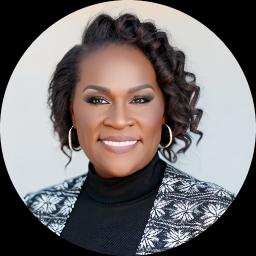
Dr. Anila Malik
LPC
Georgia - 36 yrs exp











How paranoia therapy works for Georgia residents
If you are exploring therapy for paranoia in Georgia you are taking a step toward understanding patterns of thinking and behavior that can feel isolating. Therapy typically begins with an assessment of your concerns, history and goals, and then moves into targeted work using evidence-informed approaches. Sessions may focus on helping you identify thoughts that feel threatening, testing those thoughts against evidence, and building coping skills that reduce distress and improve daily functioning. Therapy is collaborative - you and your clinician set the pace and agree on what progress looks like.
Therapeutic approaches you may encounter
Clinicians who work with paranoia often draw on cognitive-behavioral techniques to help you examine unhelpful thought patterns and try new behavioral responses. Some therapists use trauma-informed methods when past experiences contribute to distrust or hypervigilance. Others may incorporate social and interpersonal strategies to strengthen relationships and reduce isolation. The exact blend of methods varies by clinician and by what you bring to sessions. In urban centers like Atlanta you may find therapists with specialized training in psychotherapeutic models, while smaller communities may offer clinicians with broad experience in working with anxiety, trauma and relationship difficulties.
Finding specialized help for paranoia in Georgia
When searching for a therapist who understands paranoia it helps to look for clinicians who describe experience with anxiety-related conditions, trauma, or trust and interpersonal concerns. You can narrow your search by location if in-person visits are important - many people search for therapists near Atlanta, Savannah or Augusta to reduce travel time. If you live outside those cities, options in towns like Columbus or Athens may also be available, and many therapists offer flexible hours to accommodate commuter schedules. Pay attention to whether a therapist highlights experience with assessment, working with complex worry, or collaborating with clients to test assumptions in safe, gradual ways.
Questions that help you evaluate fit
Before you schedule an appointment think about practical preferences that matter to you. Consider whether you want evening or weekend sessions, whether you prefer an in-person office in a particular neighborhood, and how you feel about a clinician who specializes in trauma-informed care. You might also want to ask about their experience with paranoia-related concerns and what a typical course of work looks like. A first call or brief message exchange can give you a sense of whether the clinician’s style and approach feel like a match for your needs.
What to expect from online therapy for paranoia
Online therapy can expand your options if you live in rural parts of Georgia or have limited transportation. When you choose virtual sessions you can often access therapists who practice in larger cities even if you are not located there. Online work follows many of the same principles as in-person therapy - assessment, collaborative goal-setting, skill-building and regular review of progress. You should expect a plan for how to manage distress between sessions and clear discussions about scheduling, fees and communication outside appointments. Some people find it easier to talk about sensitive concerns from their own home, while others prefer the structure of traveling to an office. Think about what environment helps you feel calm and focused before deciding on virtual work.
Practicalities of virtual care
If you opt for online therapy make sure you have a reliable internet connection and a quiet space where you can speak freely. You may want to arrange sessions at times when interruptions are least likely, and test the video platform in advance. Many therapists will set expectations about session length, cancellations and payment methods. If you live in a different county from the therapist, confirm that they are licensed to practice in Georgia and that telehealth is within their scope. In cities such as Atlanta and Savannah you may find a mix of in-person and online options that lets you blend both approaches as needed.
Common signs that someone in Georgia might benefit from paranoia-focused therapy
People seek help for paranoia when worry about others’ intentions or safety starts to interfere with work, relationships or daily routines. You might notice that you frequently assume negative motives from coworkers or neighbors, that you feel watched or judged in situations where others do not, or that you avoid activities because of fear of exploitation or harm. These patterns can make it difficult to maintain close connections and may increase isolation. If anxiety about others’ intentions causes significant stress or reduces your ability to function, therapy can provide tools to test assumptions, build coping strategies and gradually restore trust in relationships at a pace that feels manageable for you.
Tips for choosing the right therapist for this specialty in Georgia
Choosing a therapist is a personal decision and it is okay to try more than one clinician before you find the right fit. Look for clear information about a therapist’s training, areas of focus and the populations they work with. Pay attention to how they describe their approach to paranoia-related concerns - whether they emphasize skill-building, gradual exposure to feared situations, or supportive exploration of past experiences that contribute to current worries. Consider practical factors like location, hours and fees, and whether they accept your form of payment or insurance. If you need language-specific or culturally responsive care, seek clinicians who mention experience working with diverse communities or who list additional languages spoken in their profile.
Trusting your experience with a therapist
After a few sessions reflect on how you feel in the therapeutic relationship. You should feel heard and respected even when discussing painful topics, and your therapist should offer clear rationale for interventions and invite your feedback. Progress may be gradual and sometimes uncomfortable, but a therapist who works well with you will check in about how interventions land and adjust the plan if needed. If you do not feel understood or your concerns are not being addressed you have the option to seek another clinician. Many people find the most helpful partnerships are those where there is both challenge and support.
Local considerations and next steps
Georgia offers a range of resources across urban and rural areas, from metropolitan practices in Atlanta to community clinics and private offices in towns like Savannah and Augusta. If cost or scheduling are barriers, ask therapists about sliding scale options, group formats or clinic hours that accommodate different budgets. Community mental health centers, university counseling services and nonprofit organizations often provide additional avenues for care. When you are ready to reach out, use profile details to compare approaches and availability, then schedule an introductory appointment to get a sense of fit. Taking that first step can open a path toward greater clarity and more manageable day-to-day experiences.
Regardless of where you live in Georgia, you can find clinicians who focus on helping people navigate paranoia-related concerns with practical skills and thoughtful support. Start by identifying what matters most to you in therapy, reach out to a few potential matches, and choose a clinician whose approach aligns with your goals and values.