Find a Post-Traumatic Stress Therapist in Georgia
This page connects you with therapists in Georgia who focus on post-traumatic stress and trauma-related care. Browse the listings below to compare clinicians, approaches, and locations across Atlanta, Savannah, Augusta and other Georgia communities.





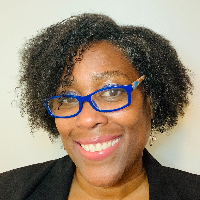



Amargo Crenshaw
LPC
Georgia - 20 yrs exp



Fred Farrar
LPC
Georgia - 30 yrs exp









How post-traumatic stress therapy works for Georgia residents
Therapy for post-traumatic stress focuses on helping you manage symptoms and rebuild a sense of safety and control after a distressing event or series of events. In Georgia, as elsewhere, clinicians use structured approaches that have been shown to help people process traumatic memories, reduce avoidance, and improve daily functioning. When you begin working with a therapist, you can generally expect an initial assessment to understand your history, current symptoms, and personal goals. From there, you and the clinician develop a plan that may include evidence-based therapies, skills training for emotion regulation, and strategies to manage triggers in everyday life.
Therapists in urban centers like Atlanta and more rural parts of the state may offer different formats - in-person sessions, teletherapy, or a mix of both - so you can choose the arrangement that fits your schedule and comfort level. If you live near a university town such as Athens, you may also find clinics offering reduced-fee services provided by supervised trainees. Across cities like Savannah and Augusta, community mental health resources and specialized trauma programs can provide additional options for support.
Finding specialized help for post-traumatic stress in Georgia
When you search for specialized care in Georgia, look for clinicians who list trauma or post-traumatic stress as a focused area of practice. Licensed psychologists, licensed professional counselors, licensed clinical social workers, and some psychiatrists commonly treat post-traumatic stress. You can review profiles to learn about each clinician's training, years of experience, and clinical approaches. Many therapists highlight specific modalities they use, such as trauma-focused cognitive behavioral therapy, cognitive processing therapy, prolonged exposure, or eye movement desensitization and reprocessing. These approaches differ in technique and emphasis, so reading about them can help you match with a clinician whose approach feels right for you.
Geography matters for logistics. If you prefer face-to-face care, search for clinicians in Atlanta, Savannah, Augusta, Columbus, or other nearby cities. If transportation or scheduling is a concern, online therapy options make it possible to work with a specialist who may be located elsewhere in the state but can provide quality care by video or phone.
What to expect from online therapy for post-traumatic stress
Online therapy can offer a practical way to access trauma-focused care, especially if you live outside major metropolitan areas or need flexible appointment times. When you choose virtual sessions, you will typically connect with your clinician by video, though some therapists also offer phone sessions depending on preference and treatment needs. You should expect an intake process similar to in-person care, including a discussion of your symptoms, therapy goals, and any immediate safety concerns. Therapists will work with you to create a comfortable and predictable session structure, and they may provide digital resources, worksheets, or homework exercises to support your progress between appointments.
There are practical considerations for online therapy. Make sure you have a private place to talk and a reliable internet connection. Confirm that the clinician is authorized to provide services to people in Georgia at the time of your appointment, since licensing rules often require therapists to be licensed where you are located. If you are in a city such as Atlanta or Savannah, some clinicians blend online and occasional in-person visits when that suits treatment goals.
Common signs you might benefit from post-traumatic stress therapy
You might consider seeking specialized help if you notice persistent symptoms that interfere with daily life after a traumatic experience. Common signs include recurring intrusive memories or nightmares, intense distress when reminded of the event, avoidance of places or activities that trigger memories, and heightened arousal such as jumpiness, trouble sleeping, or difficulty concentrating. You may also experience persistent negative changes in mood or beliefs about yourself and others, such as feeling numb, hopeless, or disconnected from people you once trusted. These reactions can develop after a single event or repeated exposures, and they can affect work, relationships, and your sense of safety.
People in different communities in Georgia may face distinct stressors - for example, natural disasters that impact coastal areas near Savannah, or the challenges faced by first responders and military veterans in and around larger cities. Regardless of the source, if symptoms are ongoing and distressing, reaching out for an evaluation can help you understand available options and next steps.
When to seek support quickly
If you are experiencing thoughts of harming yourself or others, or you feel unable to keep yourself safe, contact local emergency services or a crisis line right away. Therapists can include safety planning as part of treatment, but immediate steps are necessary when you are at imminent risk. If you are unsure where to start, community health centers in cities like Augusta and Columbus can often direct you to crisis resources and urgent mental health services.
Tips for choosing the right post-traumatic stress therapist in Georgia
Choosing a therapist is a personal process that involves practical considerations and the less tangible sense of fit. Start by reviewing clinician profiles to confirm relevant training and experience with trauma. Look for descriptions of the therapeutic approaches they use and whether they have worked with experiences similar to yours, such as sexual assault, combat-related trauma, accidents, or medical trauma. Pay attention to logistics like location, hours, and whether they accept your insurance or offer sliding-scale fees to make care more affordable.
During an initial consultation, ask about how they structure trauma treatment, what outcomes they emphasize, and how they handle moments of intense emotion during sessions. You can also ask about coordination of care if you are seeing a primary care provider or other specialists. Cultural competence and an understanding of the communities they serve are important - you may feel more supported by a clinician who is familiar with the cultural context of your life in Georgia, whether that is in Atlanta, a smaller town, or a rural county.
Practical steps to take
Set clear expectations for scheduling and communication, and discuss how the clinician handles emergencies between sessions. If you plan to use teletherapy, make sure you have a quiet place to meet and test your technology beforehand. Consider trying a few initial sessions to assess whether the therapist's style and approach feel like a good match. If it does not feel right, it is acceptable to continue your search - the therapeutic relationship itself is an important factor in progress.
Local resources and next steps
In addition to private or clinic-based therapists, Georgia offers a range of resources that can complement individual therapy. University counseling centers, community mental health programs, and peer-led support groups can provide different types of assistance depending on your needs. Veterans and first responders may have access to specialized services through local organizations. If you live in or near Atlanta, Savannah, Augusta, Columbus, or Athens, you can explore local providers and community supports while also considering virtual options that expand the pool of clinicians with trauma specialization.
Taking the first step often feels challenging, but you do not have to navigate it alone. Use the directory listings on this page to compare therapists' backgrounds and approaches, reach out to ask questions, and arrange initial consultations. With the right match and a treatment plan tailored to your needs, you can find practical tools and support to manage post-traumatic stress and move toward greater stability in your daily life.