Find a Postpartum Depression Therapist in Georgia
This page features therapists across Georgia who focus on postpartum depression, with profiles that outline experience, approaches and availability. Use the listings below to compare providers in Atlanta, Savannah, Augusta and other communities and begin connecting with support that fits your needs.


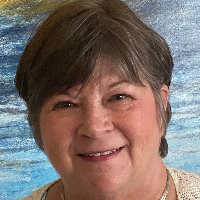
Dr. Anila Malik
LPC
Georgia - 36 yrs exp





















How postpartum depression therapy works for Georgia residents
If you are exploring therapy for postpartum depression in Georgia, the process often begins with an initial contact to a therapist or practice to ask about availability and approach. That first conversation typically covers practical details - whether the therapist has experience with perinatal mood concerns, what types of therapy they use, how appointments are scheduled and whether they offer evenings or weekend slots to fit around feeding and infant care. Once you have an intake appointment, your therapist will work with you to learn about your history, current stressors and goals so you can build a plan together. Therapy commonly focuses on reducing symptoms, improving daily functioning and strengthening coping strategies so you can manage the transition into parenthood with more confidence.
Finding specialized help for postpartum depression in Georgia
Specialized postpartum care is available in many parts of Georgia, though the mix of in-person and virtual options varies by location. In larger cities such as Atlanta you may find clinics and clinicians who concentrate on perinatal mental health and who collaborate with obstetric and pediatric teams. In coastal and regional centers like Savannah and Augusta there are practitioners with relevant training as well, and in college towns such as Athens you may find additional community resources and peer support programs. If you live outside a metropolitan area you can still access specialists through telehealth, which often expands your choices beyond your immediate region.
What to look for in specialized care
When you are seeking a therapist who understands postpartum depression, it helps to look for clinicians who list perinatal or postpartum experience, training in evidence-informed therapies and familiarity with common challenges for new parents such as sleep disruption, breastfeeding issues and relationship changes. You can also ask whether a therapist collaborates with obstetric providers or lactation consultants when integrated care is needed. While no single approach fits everyone, a clinician who recognizes the unique demands of the postpartum period can tailor strategies to your daily life and caregiving responsibilities.
What to expect from online therapy for postpartum depression
Online therapy has become a practical option for many people in Georgia who need postpartum support. With virtual sessions you can attend appointments from home between feedings, while a partner watches the baby, or during a child's nap. Sessions generally follow a similar structure to in-person therapy - check-in, focused therapeutic work, and strategies to practice between sessions - but the digital format can make it easier to maintain consistent contact when travel, weather or childcare are barriers.
When you choose online therapy, make sure your internet connection is stable and that you have a quiet area where you can talk without interruption. Discuss with your therapist how to handle interruptions, how to reach them between sessions for urgent concerns, and what phone or video tools they use. Online work can include the same types of interventions used in person, such as cognitive-behavioral strategies to address negative thinking, behavioral activation to rebuild confidence and routines, and techniques to manage anxiety and sleep disruption. If you prefer a hybrid model, many therapists will offer both in-person and virtual sessions and can help you plan a mix that fits your life.
Common signs that someone in Georgia might benefit from postpartum depression therapy
Postpartum emotional changes are common, but when symptoms are persistent or interfere with daily functioning you may benefit from professional support. You might be noticing prolonged low mood, lack of interest in activities that used to bring you joy, difficulties bonding with your baby, overwhelming fatigue beyond what you'd expect from disrupted sleep, or anxiety that feels hard to control. You may also experience changes in appetite, difficulty concentrating, or worry about harming yourself or your baby. If any of these feelings are intense or do not improve after a few weeks, reaching out to a therapist can be an important step toward feeling better.
Early help can make a difference in how you experience parenthood and your relationships. In Georgia, therapists can work with you to assess your needs, develop coping strategies and coordinate care with your medical providers if additional supports are needed. If you are worried about safety or have urgent concerns, it is important to contact local emergency services or your healthcare team right away.
Tips for choosing the right therapist for postpartum depression in Georgia
Choosing a therapist is a personal decision and there are several practical considerations that can guide you. Start by identifying what matters most to you - whether that is a clinician with specific perinatal training, evening availability, cultural or language match, or experience with breastfeeding support and infant sleep concerns. You may prefer a therapist who has experience working with partners and families, or someone who specializes in anxiety as well as mood concerns. It is reasonable to contact a few providers to ask about their experience and approach before making a decision.
Insurance coverage and cost are important factors for many people. Check whether a therapist accepts your insurance, offers a sliding scale, or provides reduced-rate options. If you have Medicaid, inquire about therapists who take that coverage. You should also ask about typical session length and whether the clinician provides shorter check-in sessions if that better fits your schedule. If transportation or childcare is a barrier, online therapy may expand your options. In metro areas like Atlanta there will likely be a larger pool of providers, while in smaller communities such as Savannah and Augusta you may want to ask about waitlists and virtual availability.
Practical steps to get started
Begin by making a list of questions that matter to you and use the therapist profiles to narrow your options. Reach out to request an initial appointment or a brief phone consultation to get a sense of fit. During that first contact you can ask about experience with postpartum depression, the modalities they use, how they coordinate with medical providers and what to expect in terms of scheduling. Pay attention to whether you felt heard during the initial exchange - the therapeutic relationship itself is a key part of effective care.
Once you begin work with a therapist you can set goals together and review progress over time. Therapy can be short-term and focused on specific strategies, or it can be a longer process if you want more in-depth support. Either way, having a clinician who understands the demands of newborn care and the emotional shifts that accompany this stage can help you regain balance and feel more capable in your role as a parent.
Local considerations and resources
Where you live in Georgia may shape the kinds of services that are easiest to access. In urban centers like Atlanta you may be able to connect easily with specialists who work in perinatal mental health clinics, group therapy for new parents and specialized programs at hospitals. In cities such as Savannah and Augusta there are also trained clinicians and community supports, though availability can vary. If you are in a rural county, telehealth can bridge distance and give you access to therapists who specialize in postpartum issues. University communities such as Athens may offer additional community programs and peer networks that can supplement individual therapy.
Reaching out is the first step. Whether you search the listings below for a therapist near you, filter for online availability or look for someone with a particular background, taking action can open the door to practical strategies and emotional support. If you are unsure where to begin, consider scheduling a short consultation to see how a therapist approaches postpartum depression and whether their style fits your needs. The right match can help you navigate this period with more resilience and reassurance.