Find a Relationship Therapist in Georgia
This page brings together relationship therapists practicing in Georgia, including clinicians who work with couples, partners, and families. Browse the listings below to compare backgrounds, approaches, and find practitioners in Atlanta, Savannah, Augusta, and other communities.

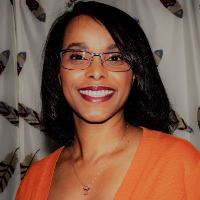








Dr. Anila Malik
LPC
Georgia - 36 yrs exp
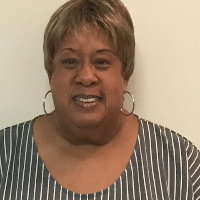



Amargo Crenshaw
LPC
Georgia - 20 yrs exp



Fred Farrar
LPC
Georgia - 30 yrs exp



How relationship therapy works for Georgia residents
Relationship therapy in Georgia follows many of the same principles you would find nationwide, but the way services are delivered can reflect local needs, geography, and resources. When you begin, a therapist will typically gather information about your history as a couple or partners - how you communicate, recurring conflicts, and goals for the relationship. Sessions may focus on improving communication patterns, exploring emotional responses, rebuilding trust after breaches, or navigating life transitions such as relocation, parenting, or retirement. Therapists who work with relationships often draw on models adapted for couples and families rather than individual treatment alone.
In Georgia, your options can range from clinicians in dense metropolitan areas to practitioners serving smaller towns and suburban neighborhoods. That variety means you can often find someone whose training and approach match your needs, whether you live in Atlanta and prefer evening hours or you are outside major cities and need flexible scheduling or online sessions. Local factors like commuting times, cultural community norms, and availability of bilingual clinicians can shape what an effective fit looks like for you.
Finding specialized relationship help in Georgia
If you are seeking a therapist who specializes in relationship work, look for clinicians who list couples therapy, family therapy, or relationship counseling among their specialties. Some therapists emphasize work with specific issues such as parenting disagreements, intimacy and sexual concerns, infidelity recovery, or blending families after remarriage. You may find practitioners who describe training in couples-focused models or certifications in approaches tailored to partners. In larger Georgia cities like Atlanta and Savannah you are more likely to find therapists with niche specializations, while in smaller communities a counselor with broad couples experience may provide the same practical support.
Consider practical factors as well - whether a therapist offers joint sessions, individual partner sessions, or a combination of both. Some relationships benefit from a mix of couple meetings and private time for each partner to explore personal issues that affect the relationship. Ask about experience with diverse family structures and cultural backgrounds if that matters to you, and inquire about language services if you or your partner prefer sessions in Spanish or another language. Availability of weekend or evening appointments can be important if you or your partner work opposite schedules or travel between cities such as Augusta and Columbus.
What to expect from online relationship therapy
Online therapy has become a practical option for many Georgia residents, especially if you live far from a major city or need flexible scheduling. Virtual sessions can reduce commute time and allow both partners to join from different locations if necessary. In practice, online relationship therapy often mirrors in-person work - the therapist will facilitate conversations, introduce communication tools, and help you practice new ways of relating. You should expect to discuss logistics at the start - how sessions will be conducted, what to do if a technical problem interrupts a meeting, and how therapists handle notes and records.
When choosing online care, check whether a clinician is licensed to practice in Georgia. Licensing matters because therapists must follow the rules that govern care in the state where you live. Also ask about the platform and privacy protections used for video sessions, and whether there are guidelines for creating a comfortable session environment at home. Some people find online work more convenient when partners live in different cities like Athens and Atlanta, while others prefer starting in-person and switching to online sessions later in the process. Either way, online therapy can be an effective way to access relationship support when travel or schedules are a barrier.
Safety and urgent situations
Therapy is not a substitute for emergency assistance. If you or a partner are in immediate danger or at risk of harm, contact local emergency services right away. If concerns about safety arise during therapy - for example, ongoing domestic violence - be candid with a prospective therapist about what is happening so they can advise on next steps and coordinate with appropriate resources. Many clinicians can help you identify local supports in Georgia, whether you are in a large metropolitan area or a smaller town.
Common signs that someone in Georgia might benefit from relationship therapy
You might consider relationship therapy if you notice a pattern of arguments that feel unresolved, persistent withdrawal or emotional distance between partners, or repeated misunderstandings about expectations and roles. When trust has been damaged - for instance due to infidelity or financial secrecy - many couples reach a point where guided rebuilding with a clinician can help. Other situations that often prompt people to seek help include difficulty navigating parenting differences, chronic sexual frustration, stress from job or family obligations spilling into the relationship, and major life changes like relocation or blending households.
It is also common for people to pursue relationship therapy before marriage or during a new cohabitation to build skills and clarity about shared goals. If you live in a fast-paced environment like Atlanta or are dealing with the stresses of long-distance partnership between cities such as Savannah and Augusta, therapy can offer tools to manage logistics and emotional strain before problems escalate. Ultimately, if daily interactions consistently leave you feeling misunderstood, unheard, or disconnected, engaging a professional can help you create a different pattern.
Tips for choosing the right relationship therapist in Georgia
Start by thinking about what you want from therapy - are you looking for short-term skill building to improve communication, deeper work on attachment and trust, or help navigating a specific crisis? Once you know your goals, review therapist profiles to find clinicians who describe relevant experience. Many therapists include information about their training, approaches, and populations served. A clinician who mentions training in couples models or who lists prior work with similar issues can be a good match.
Think about logistics such as location, session format, scheduling, and cost. If you prefer in-person sessions, look for therapists with convenient office locations in Atlanta, Savannah, Augusta, or other areas near you. If online sessions are preferable, confirm that the therapist can legally provide services to clients in Georgia and ask about typical session length and fees. Insurance coverage varies, so check whether a clinician accepts your plan or offers a sliding scale. You may also want to read about a therapist's approach to cultural factors and diversity, especially if cultural background or religion plays a central role in your relationship.
Trust your instincts during an initial consultation. It is normal to meet a few therapists before settling on someone who feels like a collaborative fit. During first contacts, ask how they structure couple sessions, whether they offer individual follow-up sessions, and how they measure progress. Clear communication about expectations - from both you and the therapist - helps ensure the work is focused and relevant to your life. In many Georgia communities, therapists are accustomed to arranging a mix of in-person and virtual visits to accommodate busy schedules and travel between cities.
Making therapy work for your life in Georgia
Consistency and openness to trying new ways of interacting are key to getting value from relationship therapy. Practice the skills and homework exercises a therapist suggests between sessions, and check in with one another about what is helping and what feels difficult. If logistical challenges arise - such as coordinating sessions when one partner is traveling for work in Columbus or the other has caregiving duties - discuss flexible scheduling or alternating in-person and virtual meetings. Therapy is a process that typically unfolds over time, and combining practical adjustments with the emotional work can create lasting shifts in how you relate.
Whether you live in a busy neighborhood near downtown Atlanta or a quieter part of Georgia, access to experienced relationship therapists is available. Use this directory to compare profiles, read about approaches, and reach out for a consultation. Taking the first step to connect with a clinician can open new ways of understanding one another and building the partnership you want.