Find a Self-Harm Therapist in Georgia
This page lists therapists who specialize in self-harm support across Georgia. You will find clinicians offering in-person and telehealth options in cities like Atlanta, Savannah, and Augusta. Browse the listings below to compare expertise, treatment approaches, and contact information.






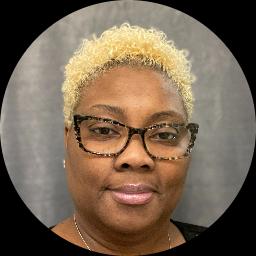
LaMeshia Lipscomb
LPC
Georgia - 9 yrs exp













How self-harm therapy works for Georgia residents
When you seek help for self-harm in Georgia, therapy typically starts with an assessment to understand what you are experiencing, what triggers urges to harm, and what strengths you already have. A clinician will ask about your history, current stressors, emotional patterns, and any co-occurring concerns such as anxiety, depression, or substance use. From there you and your therapist collaborate to build a plan focused on reducing urges, increasing safety, and developing healthier ways to cope. Sessions may include skill-building, learning emotion regulation strategies, and creating a clear safety plan for moments of crisis. You can expect progress to look different for everyone - some people respond quickly to specific techniques, while others move more gradually as they build new habits and supports.
Therapeutic approaches commonly used
Therapists who specialize in self-harm often draw from evidence-informed approaches that address emotion regulation and behavioral patterns. Dialectical behavior therapy is frequently recommended for people who experience intense emotions and repetitive self-injury, because it teaches skills in distress tolerance and interpersonal effectiveness. Cognitive-behavioral techniques help you identify and reframe unhelpful thoughts that lead to self-harming actions. Trauma-informed care can be especially important if past trauma contributes to the behavior. Some therapists also incorporate family therapy when family dynamics play a role, or group therapy to practice skills with peer support. Your therapist will tailor methods to your needs and preferences rather than offering a one-size-fits-all program.
Finding specialized help for self-harm in Georgia
Searching for the right clinician in Georgia means looking beyond general listings to find someone who specifically lists self-harm as a specialty or who has experience with related issues like borderline traits, emotion dysregulation, or trauma. Licensing matters - you may see providers with credentials such as licensed professional counselor, licensed clinical social worker, or psychologist. When you review profiles, look for descriptions of training, years of experience, and the therapeutic approaches they use. If you live near a major city like Atlanta, you may have more local options for specialty services and intensive outpatient programs. In smaller communities or rural counties, you might rely more on telehealth to access a therapist with focused experience. Consider language needs, cultural competence, and whether you prefer a clinician with experience serving specific age groups such as adolescents, young adults, or adults.
Practical steps to find help
Start by narrowing your search to therapists who mention self-harm, self-injury, or self-injurious behaviors in their profiles. Read biographies for details about their training and the populations they serve. Reach out for an initial phone call to ask about their experience, approach to safety planning, and whether they coordinate with other professionals such as school counselors or primary care providers. If insurance is a factor, ask about in-network options or sliding scale fees. If you are in Atlanta, Savannah, Augusta, Columbus, or Athens, consider whether you want in-person sessions or are open to telehealth, which can expand your options if local availability is limited.
What to expect from online therapy for self-harm
Online therapy offers flexibility and access, especially if you live outside Georgia's larger metropolitan areas. When you work online, sessions generally follow the same structure as in-person therapy - an assessment, regular therapy sessions, and periodic reviews of progress. You should discuss with your clinician how they handle crisis situations during virtual sessions, including how to reach local emergency services or contact someone you trust if you are in immediate danger. Ask about their technology platform, how they protect your information during sessions, and whether they are licensed to provide services to people residing in Georgia. Some therapists combine video sessions with messaging or brief check-ins between appointments; others keep communication focused to scheduled sessions. Make sure the setup aligns with your comfort level and privacy needs at home.
Common signs someone might benefit from self-harm therapy
You might consider seeking specialized help if you notice persistent urges to injure yourself, frequent thoughts about harming, or behaviors such as cutting, burning, or hitting that leave marks. Other signs include using self-harm to cope with intense emotions, a sense of shame or secrecy about injuries, escalating frequency or severity of episodes, and difficulty stopping despite wanting to. Changes in mood, social withdrawal, decline in school or work performance, or increased substance use can also indicate the need for support. If a friend or family member is expressing concern, offering help to find a therapist and accompanying them to an initial appointment can make a meaningful difference.
Tips for choosing the right therapist for this specialty in Georgia
Begin by clarifying your priorities - do you need someone with experience treating adolescents, a clinician familiar with trauma-informed approaches, or a provider who offers evening sessions? Ask potential therapists about their specific experience with self-harm, their preferred therapeutic methods, and how they involve loved ones when appropriate. Inquire about safety planning - a good therapist will discuss concrete strategies for managing crises and how they coordinate emergency steps if needed. Consider practical matters such as the therapist's location relative to Atlanta or your town, their availability for appointments, insurance acceptance, and whether they offer a sliding scale. Trust your instincts about rapport; feeling understood and respected in the first few sessions is a strong indicator of a good fit.
Working with family, schools, and local resources
If you are a parent, caregiver, or someone connected to a school, know that coordination with family members and school staff can be part of effective care. Therapists can help guide conversations about boundaries, safety plans, and supportive measures at home or in educational settings. In larger cities like Atlanta and Savannah there may be more programs and community supports that therapists can refer to, while in smaller communities therapists often collaborate closely with primary care or local mental health services to ensure continuity of care.
Safety and emergency planning
If you are in immediate danger of harming yourself, contact local emergency services or go to the nearest emergency department right away. You can also reach crisis support through national crisis lines for immediate help. When you begin therapy, you and your clinician should develop a personalized safety plan that includes warning signs, coping strategies, and names of people or places you can contact during a crisis. Keep a list of emergency contacts on hand and consider sharing parts of your plan with someone you trust so they can support you if needed.
Finding the right self-harm therapist in Georgia can feel overwhelming, but taking small steps - reviewing clinician profiles, asking targeted questions, and prioritizing a good personal fit - helps you connect with the care that matches your needs. Whether you live in a city like Atlanta or a smaller town, options exist to help you build new coping skills and reduce urges over time. Use the listings above to reach out and schedule a first conversation - that first call can be the start of meaningful change.