Find a Social Anxiety and Phobia Therapist in Georgia
This page lists therapists who focus on social anxiety and phobia across Georgia, with options for in-person and online care in cities like Atlanta, Savannah and Augusta. Browse the listings below to review practitioner profiles, approaches and contact details to find the right fit for your needs.





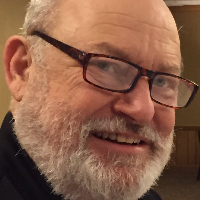

Fred Farrar
LPC
Georgia - 30 yrs exp









How social anxiety and phobia therapy works for Georgia residents
If you are living in Georgia and dealing with persistent fear of social situations, therapy can offer structured ways to reduce avoidance and increase your confidence. The process typically begins with an assessment to understand the particular situations that trigger anxiety, how long symptoms have been present and the impact on daily life. From there you and your therapist will set goals - for example, making small social interactions easier, reducing panic around public speaking, or managing intense worry about being judged.
Therapists who specialize in social anxiety and phobia use evidence-informed strategies that help you learn new ways of thinking and behaving. Sessions often include skill building, gradual exposure to feared situations and practice with coping strategies that you can use between appointments. If you live outside major metropolitan areas you can often still access specialists through virtual visits, while those in Atlanta, Savannah, Augusta and other cities may have additional choices for in-person care.
Typical therapy approaches
Several therapeutic approaches are commonly used to address social anxiety and phobia. Cognitive-behavioral therapy focuses on identifying thought patterns that fuel anxiety and testing them through behavioral experiments. Exposure-based work helps you face feared situations in a paced way so that avoidance diminishes over time. Some therapists integrate skills training for social communication and assertiveness, while others include mindfulness to reduce physiological arousal during stressful moments. Your therapist will tailor techniques to your situation and may combine approaches to match your pace and tolerance.
Finding specialized help for social anxiety and phobia in Georgia
When you search for a specialist in Georgia, look for clinicians who list social anxiety, social phobia or performance anxiety among their areas of focus. Credentials and training matter, but so does practical experience treating the types of situations that trouble you. If you are concerned about public speaking, stage-related anxiety or the fear of meeting new people, mention those specifics when you contact a therapist. Many professionals include a short biography and treatment orientation on their directory profiles, which makes it easier to find someone who uses exposure-based methods or cognitive-behavioral techniques.
Location and availability can influence your choice. If you reside in Atlanta you will likely find a wider range of therapists with specialized training and groups that focus on social anxiety. In smaller communities like Savannah or Augusta you may find skilled clinicians who offer in-person sessions and telehealth to expand options. If transportation or scheduling is a barrier, virtual care is a practical alternative that preserves continuity of treatment while fitting your routine.
Licensing and practical considerations
Confirm the therapist's professional license and scope of practice to ensure it matches the level of care you expect. Licensed clinical social workers, psychologists, licensed professional counselors and marriage and family therapists may all provide effective treatment for social anxiety and phobia. Check whether the clinician offers an initial consultation - a brief call or message can help you assess rapport, ask about treatment methods and get a sense of the clinician's experience with social anxiety. Many therapists list areas of specialization, training in exposure-based therapies and whether they offer evening or weekend appointments to accommodate work and school schedules.
What to expect from online therapy for social anxiety and phobia
Online therapy can be an accessible option if you live outside major cities or prefer to do sessions from home. You can work on cognitive restructuring exercises, learn breathing and grounding techniques and plan exposure exercises with your therapist via video sessions. For some people, starting therapy online can feel less intimidating than walking into a treatment setting in person. Therapists can also guide you through exposures that occur in real-world settings - for example, practicing small talk at a grocery store or making a brief phone call - and process those experiences together during your virtual session.
When choosing online care, confirm practical details like session length, appointment platforms and how to handle scheduling or billing questions. Many therapists will discuss personal nature of sessions practices and how they manage notes and communications, so you understand what to expect about record keeping and contact between sessions. If your anxiety is severe or accompanied by intense panic, ask how the clinician handles risk assessment and crisis planning to ensure you have clear next steps when needed.
Common signs you might benefit from social anxiety and phobia therapy
You may consider seeking a specialist if social situations trigger strong fear that leads you to avoid work, school or relationships. Signs include intense worry about being judged, fearing embarrassment in routine interactions, or physical symptoms such as trembling, sweating or nausea in social settings. You might notice that avoidance limits your opportunities - for example, turning down job interviews, skipping networking events or avoiding dates - and that this pattern causes ongoing distress. If you find yourself ruminating about past social encounters or constantly rehearsing conversations in your head, therapy can help you develop more flexible ways of thinking and coping.
Another important sign is when attempts to manage anxiety on your own no longer feel sufficient. If self-help techniques no longer reduce avoidance or anxiety interferes with your daily functioning, a focused plan with a clinician can provide structure, accountability and tailored interventions to support progress.
Tips for choosing the right therapist in Georgia
Start by clarifying what matters most to you - whether it is a clinician's training in exposure-based therapy, experience with performance anxiety, flexible scheduling or offering sessions in Spanish. Use directory filters to narrow options by specialty and location, and read provider bios to learn about their typical treatment approaches. An initial consultation is often the best way to evaluate fit - pay attention to how the therapist explains their approach, whether they ask about your goals and whether you feel heard. If you do not feel comfortable after a few sessions it is reasonable to seek another clinician; a good therapeutic match can make a significant difference in your progress.
Consider practical factors like insurance coverage, fees and whether the therapist offers sliding scale options. If you live near Atlanta, Savannah or Augusta, you may have more in-person options, but do not overlook clinicians who travel between communities or offer hybrid care. If you prefer group-based work, ask whether a therapist runs social skills or anxiety management groups where you can practice in a supported setting.
Taking the next step
Reaching out for help can feel daunting, but learning more about available therapists and what to expect from treatment reduces uncertainty. Use the directory listings to compare credentials, read about treatment styles and request an initial call. Whether you choose in-person sessions in a nearby city or online visits that fit your schedule, a focused plan with an experienced clinician can help you move toward the social experiences you want to reclaim.
Remember that progress often comes incrementally - small steps practiced consistently lead to meaningful change. If you are ready to explore therapy for social anxiety and phobia in Georgia, start by reviewing profiles and contacting clinicians whose descriptions align with your needs. With the right support, you can expand your comfort zones and build strategies that make everyday social life easier.