Find an Internal Family Systems Therapist in Georgia
Internal Family Systems (IFS) is a therapeutic approach that explores the different parts of a person’s inner life and the central Self that can lead healing. Use the listings below to find IFS practitioners throughout Georgia and learn more about their backgrounds and approaches.
Browse profiles to compare training, specialties, and availability, then reach out to begin a conversation with a therapist near you.





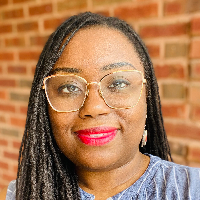




Cornelia Williams
LPC
Georgia - 7 yrs exp












What is Internal Family Systems?
Internal Family Systems is a model of therapy that understands the mind as composed of multiple sub-personalities or parts, each with its own feelings, beliefs and roles. The approach emphasizes access to a core Self - a grounded, compassionate presence - that can lead internal healing. Rather than pathologizing these parts, IFS helps you learn how they developed and how to relate to them in new ways. This gentle, exploratory stance makes it possible to address painful memories, recurring patterns and areas where you feel stuck, without pressing you to force change from the outside-in.
Core principles
At the heart of IFS is the idea that every part has a positive intention, even when its actions feel harmful or out of balance. Parts can be protective, reactive or burdened by past experiences. Therapy works by helping you differentiate the Self from those parts, develop curiosity and compassion, and negotiate changes that restore harmony. Sessions typically combine verbal dialogue with imagery and mindful attention to internal experience, allowing you to track sensations and shifts as you build more resourceful relationships with your parts.
How IFS is used by therapists in Georgia
Practitioners across Georgia use IFS in a range of settings, from outpatient clinics to independent private practices and online sessions. In urban centers like Atlanta and Athens, clinicians often integrate IFS with other evidence-informed approaches to address complex presentations. Therapists in coastal and smaller communities such as Savannah and Augusta may blend IFS with family systems work or culturally informed practices to fit local needs. Whether you prefer in-person help or online sessions, many Georgia therapists tailor IFS to individual goals - focusing on trauma processing, improving relationships, or changing self-critical inner narratives.
Integration with other approaches
You will find therapists who combine IFS with trauma-informed care, mindfulness techniques, somatic awareness and couple or family therapy. This flexibility allows you to work with body-based responses, attachment patterns and interpersonal dynamics while using the IFS lens to understand inner roles. If you have specific needs - for example parenting support, grief, or performance anxiety - ask a prospective therapist how they adapt IFS to those concerns so you know what to expect.
Issues commonly addressed with IFS
IFS is often chosen for its ability to address long-standing patterns and relational wounds. People turn to IFS for help with anxiety, depression, shame, low self-esteem and the aftereffects of trauma. It can be useful when you notice internal conflict, such as wanting different things in the same moment, feeling sabotaged by habits, or experiencing intense self-criticism. Therapists frequently use IFS to support recovery from addiction, to improve emotional regulation, and to deepen self-compassion. The approach can be particularly helpful when traditional symptom-focused work has not resolved the root patterns that keep difficulties recurring.
What a typical IFS session looks like online
If you choose online sessions, an IFS appointment often begins with a brief check-in about current challenges and goals. Your therapist will invite you to focus inward and describe sensations, images or parts that are present. Sessions move at a pace that respects your readiness - the therapist may guide you to notice a part, ask gentle questions to build relationship with it, and help you locate the Self’s calm, curious presence. You might be asked to track body sensations, notice shifts in tone or posture, and describe inner images that arise. Online therapy makes this reflective work accessible across the state, so whether you live in Atlanta, Savannah or a more rural area you can still connect with a clinician trained in IFS.
Practical considerations for online work
To get the most from remote sessions, choose a quiet, comfortable setting where you can focus and won’t be interrupted. Test your camera and microphone, and consider using headphones to reduce distractions. It can help to have a notebook nearby to jot down insights between sessions. If you are considering a blend of in-person and online care, ask whether the therapist offers both and how they approach transitions between formats.
Who is a good candidate for IFS?
IFS can suit many people who are ready to explore internal dynamics and build self-compassion. You may be a good candidate if you are willing to spend time noticing inner experience, to practice new ways of relating to parts, and to move gradually through difficult material. People who have experienced trauma often find IFS helpful because it emphasizes safety and pacing. However, if you are currently in crisis, experiencing active suicidal thoughts or immediate risk, IFS may not be appropriate as a first response. In those situations contact local emergency services or crisis resources for immediate support before engaging in exploratory therapy.
How to find the right IFS therapist in Georgia
Start by looking for clinicians who list IFS training on their profiles and who describe specific experience with the concerns you want to address. Licensing matters - confirm that the therapist holds an appropriate Georgia credential such as licensed professional counselor, clinical social worker or psychologist, and that they are in good standing. Read profiles carefully to learn about their approach to IFS, whether they work with adults, adolescents or couples, and whether they offer online or in-person sessions in cities like Atlanta, Savannah, Augusta, Columbus or Athens. When you contact a clinician, ask about their training level in IFS, how they sequence sessions, typical session length and fees, and whether they accept your insurance or offer a sliding scale.
Assessing fit
Therapeutic fit is often the most important factor in progress. Pay attention to how a therapist explains IFS during an initial conversation - do they make the model clear and approachable? Do they ask questions about your history and goals? Do you feel heard when you explain what you hope to change? Trust your sense of comfort in deciding whether to schedule a first session or to continue searching. Many therapists offer an initial consultation so you can get a feel for their style before committing to ongoing work.
Finding care in different Georgia communities
Access to IFS-trained therapists varies across regions. In Atlanta you will likely find a wide range of clinicians with advanced IFS training and varied specialties. Savannah and Augusta have growing communities of therapists who bring IFS to trauma work and family therapy. In smaller cities and rural communities, online sessions expand your options, letting you connect with clinicians statewide. If local availability is limited, consider therapists who offer remote appointments and who are licensed to practice in Georgia.
Choosing an Internal Family Systems therapist is a personal process. By learning how IFS works, clarifying your goals, checking credentials and asking practical questions about training and therapy format, you can find a clinician who matches your needs. Use the listings above to compare profiles across Georgia and reach out to start a conversation about how IFS might support your growth and healing.