Find a Mindfulness Therapy Therapist in Georgia
Mindfulness Therapy emphasizes present-moment awareness and practical skills to help manage stress, anxiety and life transitions. Browse licensed practitioners across Georgia below to compare approaches, specialties and availability.






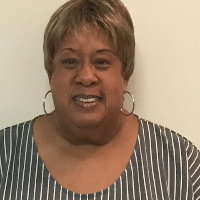
Dr. Anila Malik
LPC
Georgia - 36 yrs exp

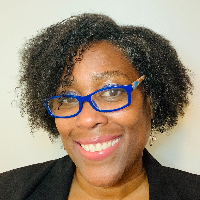


Amargo Crenshaw
LPC
Georgia - 20 yrs exp








What Mindfulness Therapy Is and the Principles Behind It
Mindfulness Therapy is an approach that centers on cultivating present-moment awareness and gentle attention to thoughts, feelings and bodily sensations. Rather than attempting to eliminate difficult emotions, mindfulness helps you observe them with curiosity and reduced reactivity. Many clinicians blend mindfulness practices with established therapeutic models to help you develop skills for coping, perspective and emotional regulation. At its core, the approach encourages nonjudgmental awareness, intentional breathing and simple exercises you can use throughout your day.
Foundational Ideas You Will Encounter
The practice emphasizes noticing what is happening now instead of dwelling on the past or worrying about the future. You will often work on grounding techniques, breathing awareness and short meditations that are designed to fit into everyday life. Therapists teach you ways to reframe automatic reactions and to meet overwhelming moments with curiosity rather than avoidance. Over time you can build a stronger relationship with your internal experience and greater choice in how you respond to stressors.
How Mindfulness Therapy Is Used by Therapists in Georgia
Practitioners across Georgia integrate mindfulness into individual therapy, couples work and group programs. In urban centers like Atlanta and college communities such as Athens, clinicians often combine mindfulness with cognitive-behavioral methods to address anxiety and academic pressures. In coastal and smaller city settings like Savannah and Augusta, therapists may emphasize mindfulness to help with life transitions, caregiving stress and adjustment after relocation. Many clinicians tailor practices to local needs, adapting the length and format of exercises to fit your schedule and cultural context.
Adaptation to Different Settings
Some therapists focus primarily on formal meditation practices while others emphasize informal mindfulness - short techniques you can use during daily routines like walking, eating or working. You may find workshops that offer an introduction to mindfulness or ongoing therapy that incorporates brief guided practices within each session. In regions with busy commuters, therapists often suggest brief daily practices that can be completed in five to ten minutes and still produce noticeable improvements in focus and calm.
Common Issues Mindfulness Therapy Is Used For
Mindfulness is commonly used to support people dealing with anxiety, chronic stress and difficulties with attention and focus. It is also applied to improve emotional awareness in relationships and to help manage recurring negative thought patterns. Many people turn to mindfulness when they feel overwhelmed by life transitions, job pressures or caregiving responsibilities. Therapists also use mindfulness to help clients build resilience after difficult experiences, though it is offered as a tool rather than a cure-all. Your clinician will work with you to integrate mindfulness alongside other strategies that target the specific concerns you bring to therapy.
What a Typical Online Mindfulness Therapy Session Looks Like
When you attend an online session, you can expect a structured yet flexible experience that combines conversation with practice. After a brief check-in about how you have been since the last meeting, your therapist may lead a guided breathing exercise or a short body scan that lasts anywhere from five to twenty minutes. The purpose of these practices is to help you notice patterns and to try out new ways of relating to thoughts and sensations. After the guided practice you and your therapist will reflect on what arose, explore how those moments connect to real-life situations and set small, practical goals you can try between sessions.
Practical Considerations for Online Sessions
Online sessions make it easier to fit mindfulness into a busy schedule, and many therapists offer evening or weekend appointments to accommodate working clients. You should choose a quiet, comfortable environment where you can sit or lie down without interruption. A stable internet connection and a device with good audio are helpful. Your therapist will usually explain how to adapt practices for your space and may offer short recordings you can use between sessions. Online therapy allows you to work with clinicians located across Georgia, which can be especially useful if you live outside a major city or want a therapist with a specific specialization.
Who Is a Good Candidate for Mindfulness Therapy
Mindfulness can be helpful for many people who want to improve emotional awareness, manage stress or reduce reactivity in difficult moments. If you are motivated to practice - even for a few minutes each day - you are likely to get more benefit. Mindfulness is often a good fit when you want tools that can be used in daily life, when you prefer experiential learning and when you are open to noticing your internal experience rather than immediately changing it. You should discuss your history and any current challenges with a therapist, because certain practices may need to be adjusted for trauma survivors or people with intense dissociative symptoms. A clinician will help tailor approaches to your stability and needs.
How to Find the Right Mindfulness Therapy Therapist in Georgia
Begin by thinking about what matters most to you in a therapist - for example, experience with anxiety or with a particular life stage, language preference, availability for evening sessions or the option for online meetings. In larger metro areas such as Atlanta you may find a wide range of specialists with different training backgrounds. If you live near Savannah or Augusta, you can look for therapists who combine in-person and online offerings to provide flexible care. Read practitioner profiles to learn about their clinical approach, training and any mindfulness-related certifications. It can be helpful to contact a few clinicians to ask about their experience integrating mindfulness, what a typical session involves and whether they offer a short trial or initial consultation.
Questions to Ask When Choosing a Therapist
When you reach out, consider asking how the therapist teaches mindfulness to new clients, whether they recommend daily practice and how they support progress over time. You might also ask about session length and frequency, fees and whether they accept your insurance or offer sliding scale options. Many therapists are happy to explain their approach in a brief phone call so you can get a sense of whether their style fits your needs. Trust your instincts - a therapist who listens to your goals and explains methods clearly is more likely to help you build a sustainable practice.
Working Mindfully in Different Georgia Communities
In Atlanta, therapists often work with clients facing career demands, urban stress and relationship challenges, offering mindfulness techniques that fit a fast-paced lifestyle. In Savannah, mindfulness may be used to support creative professionals, retirees and people navigating coastal living transitions. Augusta clinicians frequently support families dealing with caregiving responsibilities and health-related stress, and they often tailor practices to be brief yet impactful. Regardless of where you are in Georgia, you can find practitioners who adapt mindfulness to cultural values and life rhythms in your community.
Next Steps and What to Expect
If you are curious about trying Mindfulness Therapy, start by viewing profiles and booking an initial conversation with a therapist whose background resonates with your goals. Expect the early sessions to focus on building basic skills, experimenting with short practices and setting realistic, testable goals. Over time you can refine your routine and explore how mindfulness helps you respond differently to stress and strong emotions. With consistent practice and a therapist who supports your progress, mindfulness can become a practical resource you use daily to feel more present and grounded in life.
Finding the right therapist in Georgia involves matching clinical experience, approach and availability to your personal needs. Whether you are looking for in-person support in a nearby city or the convenience of online sessions, there are many practitioners who integrate mindfulness into thoughtful, evidence-informed care. Use the profiles above to compare specialties, reach out with questions, and choose a clinician who helps you build a practice that fits your life.