Find a Solution-Focused Therapy Therapist in Georgia
Solution-Focused Therapy is a short-term, goal-oriented approach that emphasizes practical steps toward change rather than exploring past causes. Find practitioners throughout Georgia, including Atlanta, Savannah, and Augusta, and browse the listings below to compare profiles and availability.










Dr. Anila Malik
LPC
Georgia - 36 yrs exp
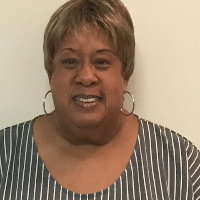



Amargo Crenshaw
LPC
Georgia - 20 yrs exp



Fred Farrar
LPC
Georgia - 30 yrs exp







Understanding Solution-Focused Therapy
Solution-Focused Therapy (SFT) is an approach that concentrates on identifying your goals and building on strengths and resources you already have. Rather than spending sessions analyzing what went wrong in the past, SFT helps you notice exceptions - times when the problem is less severe or absent - and then expands those moments into repeatable strategies. Therapists trained in this approach use goal-setting, focused questioning, and small, achievable steps that help you see progress quickly.
Core principles and how they guide work with clients
The basic principles of SFT include a future-orientation, a focus on strengths, and collaborative goal-setting. Your therapist will help you define what life would look like when the problem is reduced or resolved, and then guide you toward practical, measurable changes. Questions about what is happening when things are better - as well as scaling questions that ask you to rate progress - are common tools. This method is often brief and pragmatic, which can be especially useful if you want clear direction and tangible outcomes.
How Solution-Focused Therapy Is Used by Therapists in Georgia
Therapists across Georgia use SFT in a variety of settings, from private practice offices in Atlanta neighborhoods to community clinics and remote teletherapy sessions. In urban centers like Atlanta, clinicians may combine SFT with other approaches to address the pace and complexity of city life. In coastal Savannah, therapists sometimes adapt SFT for people balancing caregiving or seasonal work. In Augusta and other communities, practitioners often emphasize culturally responsive goal-setting that fits local values and daily routines. Across the state, the approach is valued for its flexibility and focus on realistic, step-by-step change.
Settings and delivery formats
You will find SFT offered in-person and online. Online sessions can be particularly convenient if you live outside a major metro area or have limited time for travel. Many Georgia clinicians provide a mix of brief in-person meetings and regular teletherapy check-ins so that you can maintain momentum while keeping sessions manageable. The focus on small, doable actions lends itself well to remote work, because you and your therapist can quickly identify tasks to practice between sessions and then review progress together.
Common Issues Addressed with Solution-Focused Therapy
SFT is commonly used for a wide range of concerns where concrete change is a realistic goal. You might turn to this approach for relationship challenges, stress management, workplace concerns, parenting strategies, or to build better coping habits. It is also commonly applied to transitional periods - for example, adjusting after a move, navigating career changes, or managing the demands of caregiving. Because SFT centers on practical steps, it is often chosen when you want focused sessions that help you get unstuck and start moving forward.
What a Typical Online Solution-Focused Session Looks Like
An online SFT session usually begins with a brief check-in about what has changed since the last meeting. Your therapist will ask targeted questions about recent progress and any moments when the issue was less disruptive. Together you will clarify a small, achievable goal for the coming days or weeks. The session tends to be structured and time-efficient, with specific tasks or experiments to try between meetings. You will reconvene to review those tasks and adjust the plan as needed, building on successes and refining strategies that did not work as well.
Practical considerations for online work
If you choose teletherapy, make sure you set aside a quiet, comfortable environment for sessions where you can speak openly and focus. Check that your internet connection supports video calls and that any paperwork or questionnaires your therapist uses are accessible online. Many Georgia therapists will offer an initial consultation to see if SFT fits your goals and to review logistics like session length and frequency. This helps you start with clear expectations and a plan for immediate next steps.
Who Is a Good Candidate for Solution-Focused Therapy
SFT is a good fit if you are motivated to set clear goals and willing to try small, practical changes between sessions. If you prefer a forward-looking, action-oriented approach rather than in-depth exploration of past events, SFT may suit your style. It can be particularly effective when you have a specific problem to address or are looking to build concrete skills for coping or improving daily routines. That said, SFT can be adapted to different needs and combined with other methods when a broader perspective is helpful.
How to Find the Right Solution-Focused Therapist in Georgia
Start by thinking about what matters most to you - whether that is location, scheduling, cost, or a therapist who has experience with issues you are facing. If you live in Atlanta, you may have access to a wide range of clinicians who blend SFT with other specialties. In Savannah or Augusta, you may prioritize a therapist who understands local community dynamics or offers flexible evening appointments. Consider whether you prefer in-person sessions near your neighborhood or the convenience of online meetings that fit around work or family responsibilities.
Questions to ask when comparing therapists
When you review profiles, look for clear descriptions of experience using Solution-Focused Therapy and examples of the kinds of goals the therapist has helped clients achieve. Think about logistical factors like session length, fee structure, and whether the therapist offers brief consults to see if the approach feels like a good match. It is also reasonable to ask about cultural competence, language options, and familiarity with challenges common in Georgia communities. An initial conversation can give you a sense of rapport and whether the therapist’s style encourages you to move toward the outcomes you want.
Next Steps and What to Expect
Once you select a clinician, expect to begin with a focused assessment where you and the therapist clarify your goals and agree on short-term steps. Sessions are typically collaborative and practical, and you should notice an emphasis on what works rather than on detailed explanation of why the problem started. Over time you will refine goals, measure your progress, and expand strategies that help you get the results you want. Whether you are in a busy Atlanta neighborhood or a smaller community like Savannah or Augusta, Solution-Focused Therapy can offer a structured path toward tangible change.
Use the listings above to read clinician profiles, review their areas of focus, and schedule an introductory appointment. Finding the right fit can help you take the first focused steps toward the outcomes you care about.