Find a Trauma-Focused Therapy Therapist in Georgia
Trauma-Focused Therapy is an approach that helps people process and recover from traumatic experiences through targeted, evidence-informed methods. Find practitioners across Georgia who specialize in trauma care and browse the listings below to compare specialties, locations and availability.






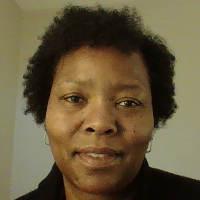
Dr. Anila Malik
LPC
Georgia - 36 yrs exp
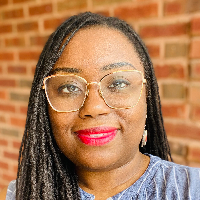
Amargo Crenshaw
LPC
Georgia - 20 yrs exp









What Trauma-Focused Therapy Is
Trauma-Focused Therapy is a set of therapeutic approaches designed to address the emotional, cognitive and behavioral effects that often follow distressing events. Practitioners work with you to reduce symptoms that interfere with daily life, to build coping skills and to help you integrate difficult memories in a way that feels manageable. The work emphasizes safety, stabilization and a collaborative path toward healing, with attention to your individual history, strengths and current needs.
Principles Behind the Approach
The practice centers on a few core principles. First, your immediate sense of safety and stability is prioritized so you can engage in deeper work without feeling overwhelmed. Second, interventions are tailored to your experience - what helps one person may not help another. Third, skill-building is integral; you will often learn strategies to manage intense emotions, reduce avoidance and improve sleep and relationships. Finally, trauma-informed providers pay attention to context, including cultural background, community factors and any ongoing stressors that affect recovery.
How Therapists in Georgia Use Trauma-Focused Therapy
In Georgia, clinicians across urban and rural settings apply trauma-focused methods in a variety of service models. You will find therapists working in private practices, community mental health centers and hospital-affiliated clinics, as well as those offering telehealth sessions. In larger cities like Atlanta, Savannah and Augusta there tends to be greater availability of clinicians with specialized training, while providers in smaller towns bring trauma-informed care to communities with different logistical needs. Therapists often combine trauma-focused techniques with other therapeutic approaches to match your goals and preferences.
Georgia providers also consider local and cultural factors that shape trauma responses. For example, therapists may incorporate family and community dynamics into treatment, address the legacy of historical and community stress, and adapt interventions for varied age groups. If you live in Athens, Columbus or another part of the state, you can look for clinicians who understand the rhythms and resources of your area while offering approaches grounded in current research.
Issues Commonly Addressed with Trauma-Focused Therapy
Trauma-Focused Therapy is commonly used to help people who are coping with the effects of a wide range of traumatic experiences. This includes responses to sudden accidents, interpersonal violence, childhood adversity, medical trauma, natural disasters and military-related experiences. The therapy can help when you are struggling with intrusive memories, heightened anxiety, difficulty sleeping, emotional numbing, or patterns of avoidance that limit daily functioning. It is also used when relationships have been affected by traumatic events, helping you to rebuild trust and improve communication.
The approach is adaptable across the lifespan. Therapists trained in trauma-focused care work with children and adolescents as well as adults, often collaborating with families, schools and other supports to create a consistent plan that helps you or your loved one make steady progress.
What a Typical Online Trauma-Focused Session Looks Like
An online session generally follows a structure that balances safety with progress. You might begin with a brief check-in about how you are feeling and any immediate needs. The clinician will assess whether you are emotionally ready to proceed with the planned activity for the session. Much of the early work focuses on grounding and coping skills - breathing techniques, body awareness, and brief behavioral strategies that help you manage intense feelings between sessions.
As you and your therapist build trust, sessions may include narrative work to reprocess memories, cognitive strategies to challenge unhelpful beliefs, or somatic elements that pay attention to bodily responses. Homework or practice tasks are common, giving you concrete skills to use in daily life. Online sessions require some technical preparation - a reliable internet connection, a quiet and comfortable environment where you feel at ease, and a device with video capability. Many therapists will discuss a plan for handling emotional distress that could arise during a session, including local crisis resources and next steps if you need additional support between appointments.
Who Is a Good Candidate for Trauma-Focused Therapy
You may benefit from trauma-focused work if past events continue to affect your mood, relationships or ability to engage in activities you care about. Good candidates are motivated to explore their experiences and willing to learn and practice new coping strategies. That said, therapists often adapt their pacing - some people start with stabilization and skill-building before moving into deeper processing, while others are ready to engage more directly sooner. If you are in a period of acute crisis or safety concerns are present, a therapist can help coordinate more immediate interventions and discuss appropriate next steps.
Age, background and the type of trauma do not automatically exclude you from this form of therapy. Skilled clinicians will assess whether trauma-focused methods are the right fit for your current circumstances and may recommend adjunct supports when necessary, such as medication management consultations, psychiatric evaluation or connections to community resources.
How to Find the Right Trauma-Focused Therapist in Georgia
Start by looking for clinicians who list trauma-focused training and who describe the specific modalities they use. Credentials such as licensed professional counselors, clinical social workers and psychologists indicate that a provider has completed advanced training and supervision. Ask about experience with trauma-related conditions, whether they work with adults or children, and how they approach cultural sensitivity and inclusivity in therapy.
Practical considerations matter too. Decide whether you prefer in-person sessions in a nearby office or the convenience of telehealth. If you live in Atlanta or another metro area, you may have a wider selection of specialists, while smaller communities may offer clinicians who integrate trauma work with broad community-based services. Inquire about fees, insurance participation and sliding scale options if cost is a factor. A short initial consultation can help you get a sense of rapport and treatment philosophy before committing to a longer course of therapy.
When evaluating a therapist, consider how they explain the goals and timeline of treatment, how they handle privacy and emergency planning, and how they will measure progress with you. You should feel that your concerns are heard and that the plan aligns with your comfort level and life circumstances. It can be helpful to ask about typical session length and frequency, how homework is used, and what kind of support is available between sessions if you need it.
Next Steps
Exploring Trauma-Focused Therapy is a proactive move toward regaining control and improving daily life. Whether you are seeking care in Atlanta, Savannah, Augusta or elsewhere in Georgia, take advantage of initial consultations to compare approaches and find a clinician who matches your needs. Use the listings above to review backgrounds, specialties and practical details, and reach out to start a conversation about what healing could look like for you.