Find a Workplace Issues Therapist in Georgia
This page connects you with therapists who specialize in Workplace Issues across Georgia, from Atlanta to smaller towns. Browse the listings below to compare clinicians by experience, specialty, and location and find a good match for your work-related concerns.







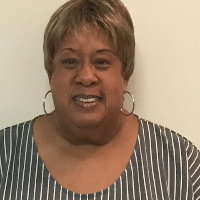


Amargo Crenshaw
LPC
Georgia - 20 yrs exp














How workplace issues therapy works for Georgia residents
If you are dealing with workplace stress, interpersonal conflict, burnout, or a major career transition, therapy can help you clarify goals, build coping strategies, and practice new ways of responding on the job. Most therapists begin with an intake conversation to learn about your current challenges, work environment, and personal history. Together you and the therapist will identify practical goals - for example reducing anxiety before meetings, coping with a toxic supervisor, or making a plan to change roles - and select approaches that fit your needs and schedule.
Therapists who focus on workplace issues often draw from evidence-based methods such as cognitive-behavioral techniques, stress-management skills, communication and assertiveness training, and problem-solving frameworks. Some clinicians also have training in organizational behavior, coaching, or career counseling, which can be especially useful when you are considering a job change or managing a promotion. Therapy is collaborative, and you should expect to practice skills between sessions so you can apply them in the real work setting.
Finding specialized help for workplace issues in Georgia
When you look for a therapist in Georgia, consider both location and specialization. Major urban areas like Atlanta, Savannah, and Augusta offer a wide range of clinicians with experience in workplace issues, including those who work with professionals, frontline employees, and managers. If you live outside a metropolitan area, online appointments make it possible to work with a therapist anywhere in the state, while still accessing someone who understands Georgia workplaces and local norms.
Credentials matter but do not tell the whole story. Licensed clinical social workers, licensed professional counselors, psychologists, and counselors with credentialed coaching backgrounds can all offer effective support, depending on their training and experience with workplace concerns. Look for therapists who explicitly mention workplace stress, conflict resolution, burnout, harassment support, or career transition in their profiles. You can also note whether a clinician has experience with specific industries, such as healthcare, education, or hospitality, which may make it easier for them to grasp the particular pressures you face at work.
What to expect from online therapy for workplace issues
Online therapy has become a practical option for many people across Georgia, offering flexibility around busy schedules and eliminating commute time in cities with heavy traffic such as Atlanta. With a virtual appointment, you will meet your therapist over video or phone at an agreed-upon time. Sessions typically follow the same structure as in-person work - an initial assessment, goal setting, skill-building, and review - but you may find it easier to schedule shorter, more frequent sessions that fit into your workday.
When you choose online therapy, check how the clinician manages appointment logistics and how they protect your privacy and data. Ask about their policies for handling emergencies or when you need support outside regular hours. If your workplace requires documentation for accommodations or an employee assistance program referral, discuss what kind of paperwork the therapist can provide and how they approach such requests. Online therapy also allows you to continue care if you move within Georgia or travel for work, keeping continuity while you address workplace concerns.
Common signs you might benefit from workplace issues therapy
You may find therapy helpful if work-related difficulties are affecting your mood, relationships, or daily functioning. Common indicators include persistent stress or anxiety about work, trouble sleeping because of job worries, or a growing sense of dread about the workday. You might notice changes in behavior such as increased irritability, withdrawing from colleagues, declining performance despite effort, or difficulty concentrating on tasks you once handled easily.
Other signs include feeling burned out - which can look like exhaustion, reduced motivation, and feeling less effective at work - or ongoing conflict with a supervisor or teammate that does not improve after attempts at direct communication. If you are experiencing subtle physical symptoms such as headaches, stomach upset, or frequent illness in relation to work stress, or if you are thinking seriously about leaving your job without a plan, these are valid reasons to reach out for professional support. Therapy can help you explore options, clarify priorities, and create a realistic plan that reduces immediate distress and supports longer-term decisions.
Tips for choosing the right therapist for workplace issues in Georgia
Start by identifying what matters most to you - whether that is experience with harassment cases, expertise in burnout recovery, a therapist who understands organizational dynamics, or someone who offers evening appointments. When you read profiles, pay attention to the therapist's stated specialties, years of experience, and descriptions of how they work. If you prefer in-person sessions, look for clinicians near major hubs such as Atlanta, Savannah, or Augusta; if you need more flexibility, prioritize therapists who offer online appointments across Georgia.
Reach out for an initial conversation and use it to gauge fit. Ask how the therapist approaches common workplace issues like conflict with a manager, performance anxiety, or the stress of long commutes. Inquire about typical session length and frequency, how progress is monitored, and whether they provide practical tools you can use between sessions. If affordability is a concern, ask about sliding scale options, insurance participation, or whether the clinician can recommend community resources. Trust your instincts about rapport - feeling understood and respected is central to productive therapy.
Practical considerations and local context
Georgia's mix of large metropolitan centers and rural communities affects both access and workplace culture. In Atlanta you may find clinicians experienced with high-pressure corporate environments and long commutes. In coastal Savannah, therapists may be familiar with industries tied to hospitality and tourism, while in Augusta clinicians might see clients dealing with healthcare and public sector dynamics. Wherever you are, consider how local commute times, workplace norms, and industry pressures intersect with your concerns, and mention these factors early in therapy so your clinician can tailor strategies to your reality.
Finally, remember that finding the right therapist can take time. You may try an initial consultation and decide to continue or to look for someone whose style or background aligns better with your needs. Therapy for workplace issues is often practical and goal-focused, and many people notice improved coping, clearer boundaries, and better decision-making within a few months of consistent work. When you are ready, use the listings above to find clinicians in Georgia, review their profiles, and schedule a conversation to begin addressing the workplace challenges you face.
Next steps
Start by exploring therapist profiles for those who list workplace issues among their specialties and consider whether in-person or online sessions fit your schedule. Prepare a short list of goals to discuss during a first call so you can quickly determine whether a therapist's approach matches what you hope to achieve. Taking that first step can help you feel more in control of your work life and move toward practical changes that support your well-being and career satisfaction.