Find a Young Adult Issues Therapist in Georgia
This page helps you find therapists in Georgia who focus on young adult issues, including transitions, identity, relationships, and career pressures. Browse the listings below to compare specialties, locations, and availability in your area.









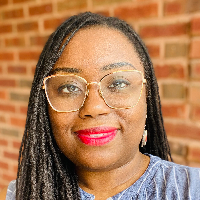
Dr. Anila Malik
LPC
Georgia - 36 yrs exp














How young adult issues therapy works for Georgia residents
When you begin therapy for young adult issues in Georgia, the process typically starts with an intake session that helps the therapist understand where you are now and what you hope to change. That conversation will cover your current stressors, history, daily functioning, and any immediate concerns like academic or workplace difficulties, family conflict, or substance use. Therapists licensed in Georgia use that information to collaborate with you on goals that feel relevant and practical - whether you want help navigating a college transition, managing relationship challenges, building career confidence, or exploring identity.
Therapy methods will vary based on the clinician's training and your needs. You may work with therapists who draw from cognitive-behavioral approaches that focus on thought and behavior patterns, relational models that examine interpersonal dynamics, or humanistic therapies that center on personal growth. Many clinicians combine approaches so your treatment can be adapted as you change. Sessions are usually weekly or biweekly at first, then adjusted as you make progress or face new life events.
Finding specialized help for young adult issues in Georgia
To find a therapist who specifically works with young adult issues, look for professionals who list relevant specialties such as life transitions, emerging adulthood, college adjustment, identity development, or relationship concerns. In Georgia, you will find clinicians practicing in a range of settings - private practices, university counseling centers, community clinics, and group practices. Licensing designations you might encounter include Licensed Professional Counselor (LPC) and Licensed Clinical Social Worker (LCSW). These credentials indicate state-approved training and oversight, which can help you compare clinicians.
If you live in a city like Atlanta, Savannah, or Augusta you may have access to a wider range of niche specialties, including therapists who work with first-generation college students, military-connected young adults, or those navigating immigration-related identity questions. In smaller towns or suburbs, clinicians often provide broad experience with young adult concerns and can offer referrals to community resources when needed. You can also use search filters to narrow options by insurance, telehealth availability, or evening appointment times to match your schedule.
Local considerations and resources
Your location in Georgia can influence practical aspects of care. City-based providers in Atlanta or Athens may offer more evening and weekend slots to match student and young professional schedules. Coastal communities near Savannah might connect you with clinicians experienced in family relocation and regional economic shifts. If you are in Augusta or Columbus, you may find therapists who coordinate closely with local universities, employers, and medical practices. Schools and community organizations often host workshops or support groups for transitions like graduation, job searches, or moving to a new city - and therapists can often point you toward those opportunities.
What to expect from online therapy for young adult issues
Online therapy is commonly offered across Georgia and can be especially convenient when you are juggling classes, work, or travel. With telehealth you can meet with a licensed Georgia clinician from a quiet room, a campus study area, or another appropriate setting. Online sessions follow much of the same structure as in-person therapy - initial assessment, goal setting, regular sessions, and periodic progress checks - but they eliminate travel time and can provide greater scheduling flexibility.
When you choose online therapy, check whether the therapist is licensed to practice in Georgia and whether they have experience delivering remote care to young adults. You can ask about typical session length, how they handle emergency situations, and whether they offer text or email check-ins between sessions. While online therapy suits many people, some situations may be better addressed in person; a good therapist will discuss whether remote work meets your needs or whether hybrid arrangements are preferable.
Common signs you might benefit from young adult issues therapy
You might consider therapy if you notice persistent changes in your mood, motivation, or functioning that interfere with school, work, or relationships. Difficulty adjusting after a major life event - such as graduating, moving away from home, ending a significant relationship, or starting a new job - often prompts young adults to seek support. You may also benefit from therapy if you are wrestling with identity questions, feel stuck making decisions about career or education, or experience frequent conflict with family or roommates.
Other common indicators include trouble sleeping, repeated avoidance of responsibilities, reliance on substances to cope, or a sense that your worries are more intense or longer-lasting than they used to be. Social isolation, difficulty forming healthy relationships, or repeated patterns in relationships that cause distress are also reasons young adults seek therapy. If you are unsure whether therapy is right for you, an initial consultation can help clarify your concerns and options.
Tips for choosing the right therapist for this specialty in Georgia
Choose a therapist based on fit as well as credentials. Start by reviewing clinician profiles to see if they list young adult issues or related specialties, then read about their approaches and experience. Consider practical factors such as whether they accept your insurance, offer sliding scale fees, or have appointment times that work with your schedule. If you prefer in-person sessions, look at their office locations in Atlanta, Savannah, Augusta, Columbus, or Athens and confirm accessibility and parking information.
When you contact a potential therapist, ask about their experience with concerns similar to yours and how they measure progress in therapy. Inquire about what a typical session looks like and whether they assign work between meetings. Pay attention to how well they listen during an initial phone call or consultation - you should feel heard and respected even before your first session. Trust your instincts about interpersonal fit; a therapist can have excellent qualifications but still not be the right match for your style and needs.
Think about cultural fit as well. Georgia is diverse in background and life experience, and you may want a therapist who understands specific cultural, religious, or community contexts that influence your life. Some therapists list language abilities or special training with college populations, LGBTQ+ identities, or military families. These details can help you narrow choices to clinicians who are more likely to relate to the nuances of your situation.
Practical next steps
Begin by narrowing your search to clinicians who indicate experience with young adult issues and who are licensed in Georgia. Reach out for a brief phone or video consultation to get a sense of approach, availability, and fees. If you try a therapist and it does not feel right, you can request a referral or continue searching until you find someone who matches your needs. Therapy is a personal process and the right match can make it easier to make steady progress through the transitions and challenges of young adulthood.
Finding help in Georgia is about combining practical logistics with personal fit. Whether you choose in-person sessions in a city like Atlanta or online meetings that fit a busy schedule, taking the first step to connect with a clinician can open new options for handling transitions, relationships, and the decisions that shape your early adult years.