Find an Addictions Therapist in Hawaii
This page lists licensed addictions therapists who work with people across Hawaii. You can browse profiles by location, approach, and availability to find a clinician who meets your needs.
Use the listings below to compare specialties, therapy styles, and practical details so you can reach out to someone who fits your situation.
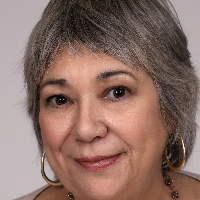
Roxy Mico
LCSW
Hawaii - 32 yrs exp





How addictions therapy works for Hawaii residents
When you begin addictions therapy in Hawaii, the process usually starts with an assessment that explores your substance use patterns, behaviors, medical background, and personal goals. Therapists create a treatment plan that blends evidence-informed approaches with attention to your cultural background and island lifestyle. For people living in Honolulu, Hilo, Kailua, or smaller communities across the islands, care can be offered in person or online, which helps bridge geographic gaps between islands and communities.
Treatment often involves a combination of individual counseling, family involvement, and referrals to medical or community services when needed. Your therapist will work with you to set short-term and long-term goals, monitor progress, and adapt techniques as your needs change. Therapy focuses on building skills to manage cravings, recognize triggers, reduce risky behaviors, and restore relationships that may have been affected by addiction-related challenges.
Initial assessment and ongoing planning
The first sessions are a chance for you and your therapist to agree on priorities and to identify supports in your community. Assessments may look at patterns of use, co-occurring stressors like anxiety or depression, and practical concerns such as employment or housing. Based on this information, your therapist will outline a plan that might include cognitive-behavioral strategies, motivational approaches, relapse prevention, and referrals to medical or peer-led programs. You should expect to revisit the plan periodically so it reflects your progress and any life changes.
Finding specialized help for addictions in Hawaii
Finding a therapist who understands both addictions and the local Hawaiian context can make a meaningful difference in care. You can look for clinicians who list addictions as a specialty and who have experience with the substances or behaviors you are concerned about. In Hawaii, cultural competence includes knowledge of Native Hawaiian values, family dynamics, and community supports. Therapists who are familiar with local resources can help connect you with island-based services, peer groups, or culturally grounded programs that complement counseling.
If you live in Honolulu, you may find a wider range of specialty services and group programs, while Hilo and Kailua may offer therapists with strong ties to community organizations and island networks. When specialty services are not available nearby, online options can expand access to clinicians who focus on addictions and related concerns.
What to expect from online therapy for addictions
Online therapy gives you an option to meet with a therapist by video or phone, which is helpful in a state made of islands where travel can be time-consuming. You should expect your online sessions to follow a similar structure to in-person care - assessment, collaborative planning, skill-building, and progress reviews. Therapists will explain how they protect your privacy and what to expect from technology during sessions. You should have a private area where you can speak openly, stable internet or phone service, and basic familiarity with the session platform.
Online work can make it easier to maintain continuity if you travel between islands or move within Hawaii. It can also improve access to clinicians with particular expertise who may not practice in your immediate city. At the same time, some people prefer in-person contact for group therapy or when needing services that coordinate closely with medical providers, so consider what setting supports your engagement and safety.
Common signs that someone in Hawaii might benefit from addictions therapy
You might consider reaching out to a therapist if you notice changes in daily functioning related to substance use or addictive behaviors. These signs can include increasing difficulty fulfilling work or family obligations, withdrawing from hobbies and social activities you once enjoyed, or strained relationships with 'ohana. You may find yourself using substances to cope with stress more often, experiencing strong urges that are hard to resist, or engaging in risky behaviors that put you or others at risk.
Other indicators include legal or financial difficulties tied to substance use, sleep or appetite changes, and mood swings that interfere with daily life. If close friends or family express concern about your behavior, or if you feel that use has grown beyond what you intended, talking with a therapist can help you clarify the next steps. Therapists can help you assess risk, map out supports, and begin strategies for reducing harm and building healthier routines.
Tips for choosing the right addictions therapist in Hawaii
Start by identifying what matters most to you - whether that is experience with a particular substance or behavior, familiarity with Native Hawaiian or Pacific Islander cultures, availability for evenings, or acceptance of your insurance. Look for clinicians who list addictions as a specialty and who describe their therapeutic approaches in a way that resonates with your preferences. You are entitled to ask about training, years of experience, and whether they work with adolescents, adults, or families.
Consider practical factors like location, telehealth availability, fees, and appointment times. If you live in a more rural area of Hawaii, online sessions may expand your options. If relationship or family dynamics are central to your concerns, seek a therapist who includes family-focused work. Trust your sense of rapport - it is important that you feel heard and that the therapist explains things in a way that makes sense. Many clinicians offer a brief introductory call so you can get a feel for their style before scheduling a full session.
Credentials, approach, and cultural fit
Pay attention to credentials such as licensed clinical social worker, licensed mental health counselor, marriage and family therapist, or psychologist. These titles indicate formal training, but the therapeutic approach and cultural fit matter just as much. Ask how the clinician integrates evidence-based methods like cognitive-behavioral interventions or motivational approaches with sensitivity to Hawaiian cultural values. If language access or culturally specific practices are important, look for therapists who can work in the language you prefer or who describe experience with local customs.
Integrating therapy with local supports and next steps
Therapy often works best when combined with community supports. In Hawaii, that might mean peer-led recovery meetings, outpatient programs, or connections to health clinics that provide medical oversight when needed. Your therapist can help you navigate referrals and coordinate care so you have a network of supports. If immediate danger or medical concerns arise, your therapist will help direct you to urgent resources and local services.
When you are ready to take the next step, use the therapist listings below to compare clinicians by location, specialties, and availability. Reach out to ask questions about approach, scheduling, fees, and whether they offer online sessions to fit your life across the islands. Finding the right therapist is a personal process, and taking time to choose someone who aligns with your needs can help you move toward the changes you want to make.
Whether you live in Honolulu, Hilo, Kailua, or elsewhere in Hawaii, there are therapists who focus on addictions and who understand the local context. Start by exploring profiles, reading clinician statements about their work, and arranging an initial conversation. That first step can connect you to supports that help you regain balance and move forward with a plan that fits your goals and island life.