Find an Anger Therapist in Hawaii
This page features therapists in Hawaii who specialize in anger treatment and emotional regulation. Browse the listings below to compare practitioners serving Honolulu, Hilo, Kailua, and surrounding areas.

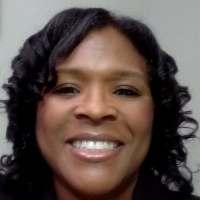
Roxy Mico
LCSW
Hawaii - 32 yrs exp






















How anger therapy works for Hawaii residents
When anger starts to affect daily life, relationships, or work, therapy offers a structured way to understand triggers and learn new responses. In Hawaii, therapy blends evidence-based approaches with attention to local life - island rhythms, close-knit family networks, and the practicalities of inter-island travel. Whether sessions are held in person or online, the process often begins with an assessment to clarify what brings a person to therapy, how anger shows up, and what goals feel most meaningful.
Therapists trained in anger work typically use cognitive-behavioral techniques to help you notice patterns of thought that escalate strong emotions and to practice alternative behaviors. Skills training often includes strategies for emotional regulation, communication practice for strained relationships, and breathing or grounding exercises to reduce physiological arousal. For many people the work also addresses underlying stressors - unresolved grief, trauma, workplace pressure, or family dynamics - that feed into repeated outbursts or simmering resentment.
Finding specialized help for anger in Hawaii
Searching for a therapist who focuses on anger begins with looking for clinicians who list anger management, emotional regulation, or related specialties in their profiles. In larger hubs like Honolulu there is a wider range of options, including clinicians who offer intensive programs or group sessions. In smaller communities such as Hilo or Kailua, you may find clinicians who combine anger work with couples therapy, family systems, or trauma-informed care. If in-person access is limited by distance or island schedules, many therapists offer remote appointments that make it possible to work with a specialist regardless of location.
Licensure and clinical approach matter. Some therapists have training in cognitive-behavioral therapy, acceptance and commitment therapy, dialectical behavior therapy, or trauma-focused methods - each brings different tools for working with anger. Asking a prospective clinician about their experience with anger issues, how they structure treatment, and whether they have experience with local cultural values can help you find a good match. Practical considerations such as availability, fee structure, and whether the clinician offers evening or weekend appointments can make a difference when balancing work and family responsibilities.
What to expect from online therapy for anger
Online therapy can be an effective option in Hawaii, particularly when travel between islands or limited local availability would otherwise make consistent care difficult. Virtual sessions generally follow the same structure as in-person meetings - an initial intake, ongoing sessions focused on skills and exploration, and periodic reviews of progress. You can expect to work on recognizing triggers, practicing replacement behaviors, and rehearsing communication strategies in the moment during sessions.
To get the most from online work, choose a quiet, comfortable environment for sessions and treat video appointments like in-person meetings by arriving on time and minimizing distractions. Therapists will typically provide homework or practice exercises to complete between sessions. Safety planning is an important early step if anger ever feels overwhelming to the point of risk; a therapist can help you identify warning signs and put practical steps in place to keep you and those around you safe. If immediate danger is present, contacting local emergency services or crisis resources is necessary.
Common signs that someone in Hawaii might benefit from anger therapy
You might consider seeking professional help if angry reactions are frequent, intense, or cause regret afterward. Signs include recurring arguments with partners or family members, difficulty at work due to irritability, driving incidents or road rage, or the use of threats and intimidation to get needs met. Sometimes anger shows up as withdrawal - stewing in silence, avoiding close contact, or holding grudges that erode trust over time. Physical symptoms such as rapid heartbeat, headaches, or trouble sleeping around conflict can also indicate that anger is taking a toll.
In the Hawaiian context, anger can be complicated by strong family expectations, intergenerational tensions, and close living arrangements that reduce opportunities to cool down. You may find that culturally specific pressures - caring for elders, navigating local community roles, or managing the cost and logistics of island life - influence how and when anger appears. A clinician who understands these local realities can help you translate general anger management skills into approaches that fit your day-to-day life.
Tips for choosing the right therapist for anger work in Hawaii
Start by identifying practical needs - whether in-person sessions in Honolulu are preferred, or whether telehealth makes more sense for someone living on another island. Review therapist profiles to learn about training, specialties, and approaches to anger-focused work. During a first contact or consultation, ask how the therapist assesses anger, what specific techniques they use, and how they measure progress. It is reasonable to ask about experience with couples or family therapy if anger affects multiple people in the household.
Consider cultural fit and communication style. You will make more progress when the clinician respects the cultural and community aspects that matter to you, whether that involves local family structures, language preferences, or community norms. Practical matters such as fee schedules, sliding scale options, insurance acceptance, and session frequency should also be discussed up front. Many clinicians offer brief phone or video consultations so you can get a sense of their style before committing to ongoing work.
What a first few months of therapy might look like
Early sessions usually focus on building rapport and conducting an assessment of how anger shows up in your life. Together with the therapist you will set short-term goals - perhaps reducing the frequency of explosive episodes, improving conflict conversations with a partner, or learning to calm down quickly in triggering situations. Sessions will combine learning new skills with opportunities to reflect on situations that triggered strong reactions since the last appointment.
Over time, you should expect a shift from crisis management to preventive habits - more consistent use of coping strategies, clearer communication patterns, and a stronger sense of control over impulses. Progress can be gradual, and therapists typically emphasize practice and repetition. Some people benefit from occasional booster sessions once skills are established to reinforce gains and adapt strategies as life changes.
Local resources and next steps
When ready to begin, browsing listings for clinicians in Honolulu, Hilo, and Kailua is a practical first step. Look for therapists who describe anger work or emotional regulation among their specialties and who present a treatment style that fits your preferences. If access is an issue, consider clinicians who offer remote sessions across the islands. Making the first appointment can feel daunting, but a short consultation can clarify whether a clinician is a good match for your needs. Taking that first step often leads to meaningful change in how anger affects daily life and relationships.
Therapy is a collaborative process. Finding the right clinician in Hawaii may take a little time, but when the approach, availability, and cultural fit align, the work can provide reliable tools to manage anger more effectively and improve important connections with the people in your life.