Find a Depression Therapist in Hawaii
This page lists therapists who specialize in depression across Hawaii, with profiles that highlight their approaches, locations, and availability. Browse the listings below to compare clinicians and reach out to those who seem like a good fit.
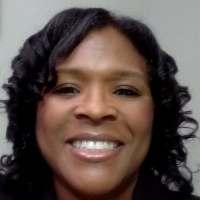
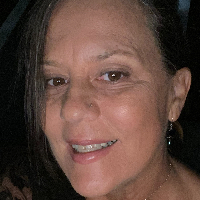
Roxy Mico
LCSW
Hawaii - 32 yrs exp





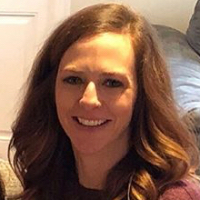
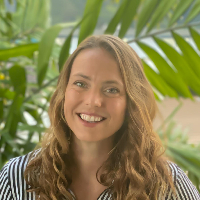
Kayla Davis
LCSW, LICSW
Hawaii - 14 yrs exp







How depression therapy typically works for Hawaii residents
When you begin therapy for depression you can expect an initial assessment that explores your current symptoms, personal history, and what you hope to change. That first step helps a clinician recommend a treatment pathway that fits your needs - it may include cognitive-behavioral techniques, interpersonal work, behavioral activation, or other evidence-informed approaches. Therapy is usually collaborative, with you and the therapist setting goals together and tracking progress over time. Sessions often involve discussing patterns of thinking and behavior, developing practical skills for coping, and trying small changes between appointments to test what helps.
Living in Hawaii can shape both the presentation of depression and the logistics of getting care. Island geography, work schedules tied to tourism or agriculture, and strong family or community ties all influence when and how you seek help. For many people the ability to meet with a clinician who understands local rhythms - whether in Honolulu, Hilo, Kailua, or a smaller neighbor island town - makes treatment more relevant and easier to keep up.
Finding specialized help for depression in Hawaii
Start by thinking about the type of experience and training that matters most to you. Some therapists focus on mood disorders in adult populations while others specialize in perinatal depression, teen depression, or depression linked to grief and loss. You can look for clinicians who list specific modalities such as cognitive-behavioral therapy or interpersonal therapy, and those who have experience working with people from Native Hawaiian and Pacific Islander backgrounds or with military families. If culture and language are important to you, seek therapists who note bilingual skills or community experience.
Practical considerations affect access across the islands. In urban centers like Honolulu you may find a wider variety of specialties and evening appointment times. In Hilo and on windward shores around Kailua there may be fewer clinicians nearby, but many providers offer flexible hours or remote sessions to bridge distance. Ask about sliding-scale fees, insurance participation, and whether the clinician provides referrals for additional support such as psychiatry, support groups, or community resources.
What to expect from online therapy for depression
Online therapy can make it easier to access a wider range of clinicians without the need to travel between islands. You should expect to use video, phone, or messaging tools for sessions and to agree with your therapist on how frequently you will meet. Many people find that online sessions fit into busy schedules and reduce barriers related to transportation or time off work. During remote sessions you will still work on assessment, goal-setting, skill-building, and strategies to manage symptoms in day-to-day life.
Before you commit to a therapist online, review how they handle appointment scheduling, cancellations, and how they explain their privacy and data practices. It is also reasonable to ask how they adapt therapeutic techniques for remote work and whether they have experience supporting people in your time zone or living context. If you live in a more rural part of Hawaii or travel often between islands, online options can provide continuity of care when in-person visits are not possible.
Common signs that someone in Hawaii might benefit from depression therapy
You may notice a range of changes that suggest talking with a therapist would be helpful. Those changes can include persistent low mood, loss of interest in activities you once enjoyed, difficulty sleeping or sleeping too much, and changes in appetite or energy. You might also find it harder to concentrate at work or school, feel unusually irritable or withdrawn, or experience physical symptoms without a clear medical cause. For many people in Hawaii the pressures of seasonal employment, caregiving responsibilities, relocation between islands, or grief related to community losses can intensify these symptoms.
If your feelings interfere with relationships, make it hard to keep up with daily tasks, or lead you to think about harming yourself, reach out for support promptly. Therapy is one element of a broader approach to managing depression and can be combined with medical assessment when that is recommended by a clinician. Early help often makes it easier to build coping strategies and reclaim a sense of balance in daily life.
Tips for choosing the right therapist for depression in Hawaii
Trust your instincts when reviewing profiles and after initial conversations with potential therapists. Look for practitioners who outline their experience treating depression and who describe the methods they use in concrete terms. Ask about how they measure progress and what a typical session looks like. For many people cultural insight matters, so consider whether a therapist demonstrates familiarity with Hawaiian culture, local family structures, or the economic realities of island life.
Other practical factors will affect fit. Check whether a clinician offers evening or weekend appointments if you work nonstandard hours, and whether they accept your insurance or provide an affordable fee structure. If you prefer in-person sessions, focus your search on clinics in Honolulu, Hilo, or Kailua as starting points. If you want flexibility, ask about the frequency of sessions and how the therapist handles rescheduling when travel or weather makes meeting in person difficult.
It is normal to try more than one therapist before you find the right match. Many clinicians offer a brief phone consultation so you can get a sense of their style and approach before booking a full session. Use that opportunity to discuss what you want from therapy, any previous treatment history, and how you prefer to work - for example, whether you want practical homework between sessions or a more reflective, conversational approach.
Working with local communities and cultural considerations
If you are part of a Native Hawaiian or Pacific Islander community, or you value culturally informed care, be explicit about that need when contacting a therapist. Tell potential providers whether you would like to incorporate family members or community practices into treatment, or whether spiritual and cultural supports are central to your healing process. Therapists who are responsive to local traditions and who can coordinate with community resources will often make the work feel more relevant and grounded in your everyday life.
For people who move between islands for work or family reasons, continuity can be important. Ask how your therapist handles transitions - whether they can recommend colleagues on other islands, share summaries with your permission, or maintain telehealth sessions while you travel. That kind of planning helps prevent gaps in care and supports steady progress even when logistics change.
Next steps
When you are ready, use the listings above to compare clinician profiles, read about their backgrounds, and reach out to start a conversation. You do not need to commit to a long-term plan immediately - many people begin with a short series of sessions to see how the relationship feels. If you ever feel overwhelmed by the process of finding care, a single phone call to a clinic or community health center in Honolulu, Hilo, or Kailua can point you toward options. Seeking help is a practical step you can take toward managing symptoms and rebuilding routines that support your well-being.
Therapy is a personal journey and the right fit will look different for each person. Take your time, ask questions, and prioritize a therapist who listens, explains their approach clearly, and works with you to set achievable goals that fit your life in Hawaii.