Find an LGBT Therapist in Hawaii
This page helps you find licensed therapists who specialize in LGBT care across Hawaii, including clinicians serving Honolulu, Hilo, and Kailua. Browse the listings below to compare approaches, read profiles, and connect with a clinician who fits your needs.

Roxy Mico
LCSW
Hawaii - 32 yrs exp


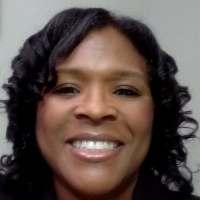

Kayla Davis
LCSW, LICSW
Hawaii - 14 yrs exp
















How LGBT Therapy Works for Hawaii Residents
When you seek LGBT-focused therapy in Hawaii, you are looking for clinicians who understand the particular challenges and strengths that come with sexual and gender diversity. Therapy often begins with an intake conversation that clarifies your goals, past experiences with mental health care, and any immediate concerns. From that starting point, a therapist trained in LGBT issues will tailor their approach to your needs - whether you want support around coming out, relationship dynamics, gender transition, trauma, or everyday stressors related to stigma and minority stress. Because Hawaii's communities include a mix of urban centers and rural islands, many therapists combine culturally informed, trauma-aware approaches with practical resources local to the islands.
Local context matters
Hawaii's cultural landscape can shape both your experience and the therapy process. You may appreciate a clinician who recognizes the role of family expectations, cultural identity, and geographic isolation in your mental health. In places like Honolulu, therapists may be more used to working with a wide variety of identities and community resources, while in Hilo or Kailua the therapeutic relationship might include more emphasis on connecting you with neighborhood supports, community centers, or teletherapy options that bridge distance. A therapist who understands local values and the nuances of island life will be better positioned to collaborate with you on realistic, meaningful goals.
Finding Specialized LGBT Help in Hawaii
Begin your search by considering the kinds of expertise you want. Some clinicians emphasize gender-affirming care and hormone support navigation, while others focus on relationships, family reconciliation, or trauma-informed work. In Hawaii, look for practitioners who list experience with LGBT-affirming approaches and who describe familiarity with culturally specific issues such as intergenerational expectations, indigenous identity, and the logistics of accessing health services across islands. You can also pay attention to whether a therapist offers sliding scale fees, evening hours, or outreach to local community events - these details are practical signals of accessibility.
Use city context to refine choices
If you live in or near Honolulu, you will find a denser pool of professionals, which can make it easier to match specialty and modality. In Hilo and Kailua, options may be fewer but many clinicians offer remote sessions that extend access. If travel between islands is a factor for you, prioritize therapists who explicitly describe telehealth policies and experience working with clients across different parts of the state. Local referrals from community centers, university counseling services, or health clinics can also point you toward clinicians who are trusted in the region.
What to Expect from Online Therapy for LGBT Clients
Online therapy can be an effective option in Hawaii, particularly when geography or transportation makes in-person visits difficult. When you engage in remote sessions, expect the same kind of therapeutic process as in-office care - intake, goal setting, regular sessions, and ongoing assessment - but with a few practical differences. Technology becomes part of the routine, so you and your therapist will agree on a platform, appointment etiquette, and what to do if a session is interrupted. Therapists experienced with LGBT clients will be mindful of privacy in your living situation and will help you find ways to participate in sessions from a comfortable environment.
Benefits and limitations
Online therapy can increase your options by connecting you to clinicians who are geographically distant but culturally competent. This is especially useful if you live on a neighbor island or in a rural area where local options are limited. However, some things - such as certain forms of in-person care coordination or community-based supports - may still require local resources. Your therapist can help you identify services in Honolulu, Hilo, or Kailua for cases where in-person follow-up is helpful, and can support you in building a network of local care.
Common Signs You Might Benefit from LGBT Therapy
You might consider reaching out to an LGBT-focused therapist if you find that identity-related stress affects your day-to-day life. This can include persistent anxiety or depression tied to coming out or ongoing concealment, relationship conflicts where identity plays a role, or a recurring pattern of feeling misunderstood by family or colleagues. If you are considering or undergoing a gender transition and want support with social, medical, or legal steps, a skilled clinician can help you navigate choices and cope with emotional responses as they arise. You may also seek therapy for trauma related to discrimination, harassment, or violence, or simply to find a space to explore how your identity intersects with work, culture, and community in Hawaii.
Signs that it's time to seek support
Practical signs include reduced functioning at work or school, sleep disruption, changes in appetite, and withdrawal from social activities you previously enjoyed. Emotional signs include persistent feelings of shame, hopelessness, or intense fear about being open with others. If you notice any of these patterns, it does not mean you have to commit to long-term therapy right away - many people start with a few sessions to gain perspective and practical coping strategies. A therapist can work with you to set a plan that fits your goals and life situation.
Tips for Choosing the Right LGBT Therapist in Hawaii
Trust your instincts when reviewing profiles and contacting clinicians. Start by reading bios to see how therapists describe their work with LGBT clients and whether they mention cultural competence with Hawaii's communities. Consider logistical fit - appointment times, fees, insurance acceptance, and whether the clinician offers online sessions. If you have specific needs - for example, support through a gender transition or couples counseling with a same-sex partner - make sure those services are stated clearly.
Interviewing a potential therapist
When you reach out for a first conversation, ask about their experience with the issues you bring, their typical approach, and how they measure progress. You can ask practical questions about scheduling and cancellations, what to expect in the first few sessions, and how they handle coordination with other providers if needed. Many therapists welcome an initial phone call or brief video chat to help you decide whether the fit feels right. There is no obligation to continue if the dynamic does not align with your needs.
Navigating Care Across Honolulu, Hilo, and Kailua
Where you live in Hawaii may shape the resources available, but it should not limit the kind of care you can find. In Honolulu, you may have access to specialized clinics, community groups, and a wide array of mental health professionals. In Hilo and Kailua, therapists often bring a deep understanding of local culture and strong community ties. If you rely on online sessions, your therapist can still partner with local organizations when in-person referrals are helpful, and can support you in identifying resources such as advocacy groups, health centers, and peer support in your city or island.
Final thoughts
Finding the right LGBT therapist is a personal process that blends clinical fit, cultural understanding, and practical logistics. Take the time to review profiles, ask questions, and trust your sense of whether a clinician will support your goals. Whether you choose in-person care in Honolulu, a clinician near Hilo, sessions with a counselor in Kailua, or a remote provider who understands Hawaii life, you can find a therapeutic partnership that honors your identity and helps you move toward greater wellbeing.