Find a Panic Disorder and Panic Attacks Therapist in Hawaii
This directory page highlights therapists in Hawaii who focus on panic disorder and panic attacks, with providers serving Honolulu, Hilo, Kailua, and other island communities. Browse the clinician profiles below to compare specialties, treatment approaches, and contact options.
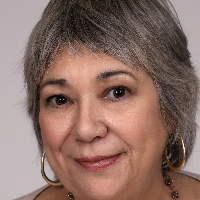
Roxy Mico
LCSW
Hawaii - 32 yrs exp














How panic disorder and panic attack therapy typically works for Hawaii residents
If you are looking for help with panic attacks or panic disorder in Hawaii, therapy usually begins with an assessment to understand your symptoms, history, and current stressors. During early sessions you and your therapist will talk about the frequency and intensity of panic episodes, patterns that tend to trigger them, and how those experiences affect your daily life. From there you and the clinician develop a treatment plan that fits your goals - that plan often combines skill-building, exposure work to reduce fear responses, and strategies for managing physical sensations when they arise.
In-person care is available across the islands, so you can meet face-to-face with clinicians in urban centers like Honolulu or in smaller communities such as Hilo and Kailua. Many therapists also offer virtual sessions, which can be especially useful if you live on a neighbor island or have scheduling constraints. Regardless of format, effective therapy emphasizes a strong working relationship, clear goals, and regular check-ins on progress.
Common therapeutic approaches you may encounter
Cognitive behavioral therapy - often abbreviated CBT - is one of the most commonly used approaches for panic-related concerns. CBT helps you identify and shift thoughts that maintain anxiety, while teaching practical skills to manage symptoms. Exposure-based techniques are used to gradually reduce fear of bodily sensations or situations linked to panic. Mindfulness and stress-management approaches are often incorporated to help you tolerate intense sensations without reacting in ways that increase avoidance or panic. Some therapists also integrate acceptance-based strategies or breathing and grounding techniques to help you stay present during an episode.
Finding specialized help for panic disorder and panic attacks in Hawaii
When searching for a therapist who focuses on panic disorder and panic attacks, look for clinicians who list specific experience with this work. Relevant experience might include training in evidence-based approaches such as CBT for panic, exposure therapy, or anxiety-focused interventions. In Hawaii you may also wish to consider clinicians who bring cultural knowledge and familiarity with local contexts - for example, practitioners who understand how island life, family expectations, or community ties can influence stress and coping.
Practical considerations matter as well. If you prefer in-person appointments, check whether a therapist is near you in Honolulu, Hilo, or Kailua, and whether they offer evening or weekend hours. If travel between islands is a barrier, online therapy options can make an experienced specialist accessible without long commutes. Many clinicians list whether they accept insurance, offer sliding scale fees, or provide initial consultation calls so you can get a sense of fit before committing to ongoing work.
What to expect from online therapy for panic disorder and panic attacks
Online therapy can be a convenient and effective way to receive care for panic-related symptoms. Sessions are typically conducted by video or phone and follow many of the same structures as in-person appointments - check-ins, skill practice, guided exposure, and planning for how to handle challenging moments. Online formats can make it easier to schedule appointments around work or family responsibilities and to access clinicians who specialize in panic even if they are not located on your island.
Before starting online work, ask about the clinician's preferred technology, how they handle scheduling and cancellations, and how they manage crisis situations. It is helpful to arrange sessions in a comfortable environment where you can focus and practice techniques without interruption. Many people find that being in their own home can reduce initial anxiety about starting therapy, while allowing them to practice coping skills in real-life settings where panic tends to occur.
Signs that you might benefit from therapy
You might consider seeking help if panic attacks happen repeatedly and interfere with daily activities, such as work, school, or relationships. If you notice that you begin to avoid places or situations because you fear an attack, or if you spend a lot of time worrying about when the next episode will occur, those are important reasons to reach out. Physical symptoms like sudden heart palpitations, shortness of breath, dizziness, or intense waves of fear can feel overwhelming, and you do not need to manage them on your own.
Therapy can also be helpful if panic-like symptoms develop in connection with other stressors - for instance, after a major life change, during a period of high work demands, or while adjusting to a move between islands. Early contact with a clinician can help you build tools to reduce the frequency of panic episodes and regain confidence in daily routines.
Tips for choosing the right therapist for this specialty in Hawaii
Start by identifying therapists who explicitly state experience treating panic disorder and panic attacks. Read profiles to learn about their training, typical approaches, and what a first session might involve. If cultural fit matters to you, seek clinicians who mention experience working with Native Hawaiian communities, multicultural clients, or island-specific concerns. When you contact a therapist, a brief intake call or initial consultation can help you gauge their style and whether you feel comfortable with them.
Ask questions about treatment length and expected frequency of sessions, and whether they offer homework or between-session supports such as worksheets or recorded practices. Confirm logistical details like fees, cancellation policies, and whether they accept your insurance. If location is important, check if they have an office in Honolulu, Hilo, or Kailua, or whether they offer ongoing telehealth sessions so you can maintain continuity of care across islands or during travel.
Practical considerations and what to trust
Trust your instincts about rapport and communication. It is normal to look at several profiles and try a couple of clinicians before finding the right fit. Progress is rarely linear, so choose a therapist who communicates a clear plan and is willing to adapt approaches if something is not helping. If you have other providers - such as a primary care doctor or psychiatrist - consider asking about coordination, so everyone involved understands your goals and supports you consistently.
Local factors that can influence care
Life in Hawaii has unique rhythms that can shape how panic shows up and how you manage it. Island geography, family structures, and community expectations may influence daily stressors and supports. In cities like Honolulu you may find a wider variety of specialists and clinics, while in smaller communities such as Hilo and Kailua you may benefit from clinicians who know the local context well. Online therapy can help bridge geographic gaps and give you access to specialists who may not be nearby.
Finally, remember that reaching out for help is a practical step you can take right away. Whether you choose an in-person clinician in your neighborhood or an online therapist who focuses on panic disorder, the goal is to find someone who listens, offers clear tools, and helps you regain confidence in everyday life. Use the listings above to compare options, read about providers' approaches, and schedule an initial conversation to see who feels like the best match for your needs.