Find a Post-Traumatic Stress Therapist in Hawaii
This directory page highlights licensed clinicians in Hawaii who focus on post-traumatic stress care, with information on approaches, credentials, and availability. Browse the listings below to find therapists serving Honolulu, Hilo, Kailua, and other island communities.
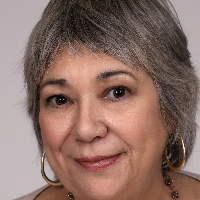
Roxy Mico
LCSW
Hawaii - 32 yrs exp



Dr. Sonya Boone
LCSW
Hawaii - 16 yrs exp














How post-traumatic stress therapy works for Hawaii residents
If you are living in Hawaii and exploring therapy for post-traumatic stress, you will find that treatment often combines practical coping strategies with guided processing of traumatic memories. Therapists trained in trauma-focused methods aim to help you increase your ability to manage strong emotions, reduce the intensity of reactions that follow reminders of an event, and restore a greater sense of control in daily life. Common approaches include cognitive behavioral techniques adapted for trauma, exposure-based work to reduce avoidance, and modalities that focus on processing traumatic memories in ways that feel manageable and paced to your comfort.
The island context shapes both needs and options. People on Oahu may have relatively easy access to a range of specialists, while those living in smaller communities may rely more on clinicians who blend general mental health skills with trauma experience. The rhythm of life, cultural values, and community networks in Honolulu, Hilo, and Kailua influence how you and your therapist might approach healing - for some clients a family-centered approach matters, for others a focus on individual coping skills is preferred.
Finding specialized help for post-traumatic stress in Hawaii
When you begin your search, look for therapists who list trauma-related training and experience in their profiles. Licensure types such as licensed clinical social workers, marriage and family therapists, psychologists, and counselors often indicate different training backgrounds, so check credentials and read about the clinician's focus areas. You can prioritize clinicians who mention trauma-focused therapies, experience with particular populations - such as veterans, survivors of assault, first responders, or people affected by natural disasters - and familiarity with culturally responsive care in Hawaii.
Geography matters when choosing a provider. If you live in Honolulu, you may be able to schedule in-person sessions more easily and access specialty clinics. Residents of Hilo and other East Hawaii communities might find clinicians who offer a mix of in-person and remote work to bridge travel distances. In Kailua and the windward side, a community-oriented approach may be important, so inquire about the therapist's experience working within tight-knit local networks. Asking about language options, cultural understanding, and prior work with community healing practices can help you find a clinician who respects your background.
Community context and culturally informed care
You may want a therapist who understands Hawaiian culture, values around ohana, and local healing traditions. Cultural responsiveness is not a single qualification - it is an ongoing practice where a therapist listens, asks respectful questions about your cultural context, and integrates that understanding into treatment. Whether your trauma relates to a personal event, service-related experiences, or community-wide incidents like storms or volcanic disruptions, a clinician who acknowledges local customs and supports connections to family and community resources can strengthen the therapeutic work.
What to expect from online therapy for post-traumatic stress
Online therapy is a practical option in an island state because it removes travel time and increases access to clinicians who might be based on another island. If you choose virtual sessions, expect an initial intake where you and the clinician discuss your history, current concerns, and goals for treatment. Most therapists outline how they handle appointments, what technology they use for video or phone sessions, and how they address privacy and emergency planning. You should ask about the clinician's process for crisis response, since being geographically distant requires clear plans for local assistance if needed.
Online sessions can closely mirror in-person work with trauma-focused interventions adapted for video. Some clients appreciate the comfort of meeting from home, while others prefer a neutral office environment for certain types of processing. Technical factors matter - a stable internet connection and a quiet space will make sessions more productive. If you travel between islands frequently, virtual care can provide continuity so you do not have to pause therapy when you move or visit family.
Common signs that someone in Hawaii might benefit from post-traumatic stress therapy
You might notice changes in yourself that suggest trauma-related stress is affecting daily life. People commonly describe persistent memories or flashbacks of an event, distressing dreams, and active avoidance of places or activities that remind them of what happened. You may feel constantly on edge or easily startled, find it difficult to concentrate, or experience sleep problems. Emotional reactions such as irritability, numbness, or trouble connecting with loved ones are also signals that targeted support could help.
Because trauma responses also show up physically, you might experience headaches, stomach issues, or a racing heart when reminded of an experience. Relationships can strain when trauma-related symptoms go unaddressed - you may withdraw from social life in Honolulu or avoid family gatherings in Hilo and Kailua. If these patterns interfere with your ability to work, care for family, or enjoy activities, reaching out to a clinician who focuses on post-traumatic stress is a reasonable next step.
Tips for choosing the right therapist for this specialty in Hawaii
Start by reviewing therapist profiles to learn about training, modalities used, and populations served. Look for clinicians who describe specific trauma-focused approaches and who explain how they tailor treatment to each person. When you contact a therapist, an initial conversation or consultation is an opportunity to ask about experience with issues similar to yours, how they set treatment goals, and how progress is measured. Pay attention to how you feel in that first exchange - a sense of being heard and treated with respect is important.
Practical considerations include session format - whether the clinician offers in-person appointments in Honolulu or Kailua, remote sessions that work across islands, or a hybrid model. Discuss fees, insurance acceptance, and sliding scale options so you understand financial aspects upfront. It is also useful to ask about wait times, cancellation policies, and how the therapist coordinates care with other providers if you are seeing a physician or community support worker.
For many people in Hawaii, cultural fit matters. Ask about the therapist's experience with Hawaiian cultural practices, language preferences, and community resources that might support your recovery. If you have service-related trauma, inquire about work with veterans or first responders. If your trauma relates to interpersonal violence, ask how the therapist approaches safety planning and empowerment. You are looking for a clinician who can combine clinical skills with an understanding of your life circumstances.
Next steps and making a connection
If you are ready to reach out, begin by browsing the therapist listings on this page and selecting a few profiles that resonate with your needs. Prepare questions about approach, availability, and practical matters, and use initial calls to assess fit. Therapy is a collaborative process - you have the right to ask for changes in approach or to seek another perspective if something does not feel aligned with your goals. Whether you choose in-person care in a local office or a clinician who offers remote sessions across the islands, finding a practitioner who listens and adapts to your needs is a meaningful step toward relief.
Use the listings below to explore clinicians serving Honolulu, Hilo, Kailua, and other communities, and consider scheduling a consultation to learn more about how they work and whether they might be a good match for your journey.