Find a Relationship Therapist in Hawaii
This page lists relationship therapists serving Hawaii, with profiles that highlight specialties, approaches, and contact details. Browse the listings below to compare therapists in Honolulu, Hilo, Kailua and throughout the islands.
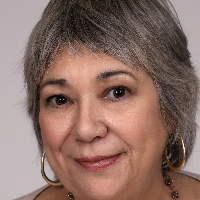
Roxy Mico
LCSW
Hawaii - 32 yrs exp
















How relationship therapy works for Hawaii residents
Relationship therapy in Hawaii follows the same core principles as elsewhere - trained clinicians help you and your partner identify patterns, improve communication, and set goals for the future - but the island context often shapes the work. You may bring concerns that reflect local rhythms, whether that means managing long commutes between islands, blending families with deep community ties, or navigating cultural expectations related to family, land, and heritage. A therapist who understands the local context will weave these realities into the sessions so that the strategies you learn fit your life on the islands.
Sessions typically begin with an intake conversation where you and your partner describe what brings you to therapy and what you hope to change. The therapist will ask about relationship history, strengths, conflict patterns, and any stressors that influence your connection. From there, many clinicians create a treatment plan that blends skill-building with deeper exploration of values, roles, and unmet needs. Therapy can be brief and focused on one issue, or longer term if you choose to work on deeper patterns or past hurts.
Approaches you might encounter
You will find a range of methods among relationship therapists in Hawaii. Some clinicians use evidence-informed approaches that focus on communication skills and problem solving, while others emphasize emotional bonding and attachment. There are therapists who combine individual work with couples sessions so that each partner has space to explore personal history that affects the relationship. When you search listings, pay attention to the approaches described so you can match them to what feels most useful for your situation.
Finding specialized help for relationship issues in Hawaii
Because Hawaii is home to diverse communities, you can find clinicians who specialize in areas such as multicultural relationships, blended families, LGBTQ relationships, or support for military couples. If your relationship involves a partner who is from another culture, or if you are balancing caregiving for extended family, look for therapists who mention cultural competence and experience with similar dynamics. In larger centers like Honolulu you will often see a broader range of specializations, while in places like Hilo or Kailua you may find therapists who bring a strong community-oriented perspective to their work.
Specialization also extends to life stage and situational needs. If you are preparing for marriage, dealing with parenting conflicts, recovering from infidelity, or coping with changes after relocation, seek clinicians who outline relevant experience in their profiles. Some therapists list additional training in areas such as trauma-informed care or sex therapy, which can be important when certain issues are present. Use the listings to filter by these specialties and to read descriptions that clarify the focus of each clinician's practice.
What to expect from online therapy for relationship
Online therapy has become a practical option for many people across the islands. It makes scheduling easier when partners work different shifts or when one partner lives on another island. Many therapists in Hawaii offer video sessions, phone check-ins, or hybrid arrangements that combine in-person meetings with digital follow-ups. When you consider online therapy, think about the environment where you will join sessions so you can speak openly and avoid interruptions.
Before beginning online work, confirm that the therapist is licensed to practice with clients in Hawaii and ask about how they manage session logistics. You should also agree on how you'll handle emergency situations and what to do if technology fails during a meeting. Good clinicians will explain their policies on communication, fees for missed sessions, and options for scheduling. Remember that online therapy requires a reliable internet connection and a space where you and your partner can speak candidly without being overheard.
Common signs that someone in Hawaii might benefit from relationship therapy
You might consider relationship therapy if communication has become frequent criticism or stonewalling instead of problem solving. If you notice that arguments keep returning to the same topics without resolution, or if affection and trust have diminished, a therapist can help you break those cycles. Other signs include a persistent feeling of emotional distance, repeated fights about money or parenting, or difficulty adjusting after major life events such as moving between islands, job changes, or the arrival of a new child.
In Hawaii, additional stressors that prompt couples to seek help include long-distance commitments across the islands, duty-related separations for military partners, and tensions arising from multigenerational households. If you or your partner are experiencing ongoing resentment, a loss of intimacy, or chronic stress that spills into the relationship, these are valid reasons to seek support. Therapy is also appropriate when you're not in crisis but want to strengthen connection and prevent patterns from worsening.
Tips for choosing the right therapist for relationship work in Hawaii
Start by reading therapist profiles to find clinicians who explicitly list relationship therapy among their specialties. Look for descriptions that mention experience with couples, couples assessment tools, or particular methods such as emotion-focused work, Gottman-informed strategies, or systemic family therapy. Consider whether you prefer a therapist who is direct and skill-focused or one who leans toward reflective, exploratory work. Your preference for style will influence how comfortable you feel and how quickly you can apply what you learn.
Think about practical factors as well. In Honolulu you may have access to many clinicians with diverse schedules, while in Hilo and Kailua you might prioritize availability for evening appointments or weekend sessions. Check whether therapists accept your insurance or offer a sliding scale if cost is a concern. Ask about session length and format, and whether they provide joint sessions only or also offer individual sessions for each partner. Scheduling flexibility can be especially important for couples balancing work, family obligations, and travel between islands.
Questions to ask during a consultation
When you reach out for an initial consultation, you can ask how the therapist typically works with couples who have issues similar to yours, and what a typical course of sessions might look like. Ask about their experience with local cultural considerations and whether they have worked with couples from similar backgrounds. If you plan to use online sessions, discuss how they manage technology and what platforms they use. It is also reasonable to inquire about fees, cancellation policies, and how they handle notes and records so you understand how your information is treated.
Compatibility matters. After a consultation you should reflect on whether the therapist's communication style felt respectful and whether both partners felt heard. If one partner does not feel comfortable, it is acceptable to keep looking until you find a better fit. Therapy works best when both people feel that the clinician understands their perspective and can guide the couple toward practical changes.
Getting started and next steps
Begin by browsing profiles to narrow your options, then schedule brief consultations to get a sense of each therapist's approach. You may want to try a few sessions to see how the work progresses and whether you notice shifts in how you relate to one another. In island communities like those clustered around Honolulu, Hilo, and Kailua, word of mouth can also be helpful - hearing from friends or community members about their experiences can point you toward clinicians who understand local life.
Seeking help is a proactive step, whether you are facing a specific problem or simply want to strengthen your bond. Relationship therapy offers tools and perspective that can help you build patterns of interaction that feel healthier and more connected. When you are ready, use the listings below to compare specialties, approaches, and practical details so you can find a therapist who fits your needs and supports your goals for the relationship.