Find a Separation Therapist in Hawaii
This directory page highlights therapists who specialize in separation support throughout Hawaii. You will find clinicians offering in-person and online care in regions including Honolulu, Hilo, and Kailua. Browse the listings below to compare specialties, credentials, and availability.

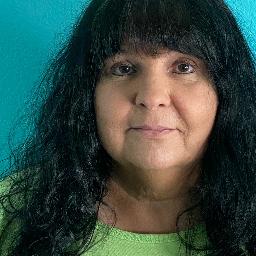
Roxy Mico
LCSW
Hawaii - 32 yrs exp






















How separation therapy works for Hawaii residents
Separation therapy focuses on helping you navigate the emotional, practical, and interpersonal changes that come with ending or redefining an intimate relationship. In Hawaii, the general structure mirrors what you would find elsewhere - an initial assessment, collaborative goal-setting, and a series of sessions tailored to your needs - but there are practical and cultural nuances that influence how care is delivered. Because many people in the islands juggle family expectations, intergenerational ties, and community relationships, a therapist often integrates those local dynamics into the work. Therapy may address grief and loss, co-parenting arrangements, boundary setting, communication skills, and steps toward building a life that feels sustainable and authentic after separation.
Typical session structure and duration
You can expect sessions to last between 45 and 60 minutes, with frequency based on your current needs - some people meet weekly at the beginning, then shift to biweekly or monthly as progress is made. Early sessions usually focus on safety and stabilization, practical planning, and clarifying short-term priorities such as child custody concerns, housing, or immediate emotional relief. Later sessions often emphasize skill-building, rebuilding identity, and managing lingering conflict. Some therapists include periodic check-ins after the most intensive phase to support long-term adjustment.
Approaches therapists commonly use
Therapists who work with separation may draw from cognitive behavioral methods to help reframe unhelpful thinking patterns, emotion-focused approaches to process grief, and systemic perspectives to address family dynamics. Many clinicians also offer integrative or trauma-informed care if separation follows abuse or prolonged relational stress. Because Hawaii has a diverse cultural landscape, competent therapists will often adapt techniques to respect cultural values, incorporate family and community context, and recognize how island life - including geographic separation between family members or extended households - shapes recovery.
Finding specialized help for separation in Hawaii
When searching for a therapist who specializes in separation, look for clinicians who list separation, relationship transitions, divorce adjustment, or family restructuring among their core areas of practice. In larger urban centers like Honolulu you will often find a wider range of specialties and evening or weekend availability. In smaller communities such as Hilo or Kailua, options may be fewer but clinicians there tend to have deeper familiarity with local resources and networks. If you live on a neighbor island, online sessions can expand your choices while still letting you work with someone who understands statewide cultural factors.
Credentials and experience to consider
Licensed counselors, social workers, and marriage and family therapists typically have training relevant to separation work. You might prioritize a therapist with specific experience in divorce transitions, co-parenting coordination, or grief counseling depending on your needs. It can be helpful to note whether they have experience collaborating with attorneys, mediators, or child specialists when family logistics are part of the plan. Many therapists also highlight continuing education in trauma-informed care and cultural competency - both valuable when you are navigating sensitive family and community ties in Hawaii.
What to expect from online therapy for separation
Online therapy broadens your access to clinicians across the islands and beyond. You can choose a therapist in Honolulu, Hilo, or Kailua without needing to commute between islands. Sessions are typically held over video or phone and follow the same clinical steps as in-person work: assessment, goal-setting, interventions, and follow-up. You will want to find a quiet, comfortable environment where you can speak without interruption and have a reliable internet connection for video sessions. Some therapists offer a combination of in-person and virtual appointments to accommodate travel, child care needs, or fluctuating schedules.
Privacy and logistics for remote sessions
When attending online sessions you should ask your therapist about how they handle documentation, appointment confirmations, and emergency procedures when you are not physically near them. Therapists will typically explain what happens in a crisis and how to reach local resources in your area. If you live in a more rural part of Hawaii, confirm whether your clinician has experience working with clients from your island and whether they can offer referrals to local supports for in-person needs such as legal advice or medical attention.
Common signs you might benefit from separation therapy
You might consider separation therapy if emotional distress is interfering with your daily functioning, if you are struggling to make decisions about living arrangements or parenting, or if communication with a former partner feels unmanageable. Persistent sleep disruption, difficulty concentrating at work, or withdrawal from supportive relationships can also indicate that structured therapeutic support would be helpful. People often seek help when they feel stuck in cycles of conflict, when grief about the end of a relationship persists longer than expected, or when managing co-parenting arrangements becomes a repeated source of stress. Seeking help early often makes practical transitions easier to manage and helps prevent escalation of conflict with family or community members.
Tips for choosing the right therapist for separation in Hawaii
Start by clarifying what you want to get from therapy - emotional processing, practical decision-making, co-parenting strategies, or legal navigation - and seek clinicians whose profiles mention those areas. Consider whether you prefer a therapist who incorporates cultural perspectives that resonate with your background and whether you want someone who has experience with faith communities if that is important to you. When you contact a therapist, ask about their experience with separation cases, what a typical treatment plan looks like, and how they coordinate with other professionals such as mediators or child specialists. If cost is a concern, inquire about sliding scale fees, community mental health options, or whether they accept your insurance. In Honolulu, you may have more options for evening appointments and specialized programs. In Hilo and Kailua, clinicians often bring strong ties to local community resources that can be helpful for children or family-centered concerns.
Trusting your fit
The relationship you develop with your therapist matters. You should feel comfortable discussing sensitive topics and have a sense that your therapist listens and respects your values. It is appropriate to try a few sessions to evaluate fit, and to request a referral or change if the approach does not feel right. Many people find that an initial consultation clarifies whether a clinician’s style, availability, and approach align with their needs.
Putting it into practice
Starting separation therapy can feel like a practical next step toward reclaiming stability and forward momentum. Whether you live in Honolulu and prefer nearby in-person sessions, in Hilo and want a therapist who understands neighbor island dynamics, or in Kailua and need flexible scheduling around family life, there are clinicians who specialize in this work. Use the directory to compare profiles, reach out for a brief consultation, and discuss how the therapist would tailor care to your situation. With thoughtful selection and a clear plan, therapy can support your decision-making, emotional recovery, and ability to build a life that reflects your priorities after separation.
If you are ready to begin, explore the listings on this page and contact providers to learn more about their approach and availability. Taking that first step often makes the path forward more manageable and less isolating.