Find a Sexual Trauma Therapist in Hawaii
This page helps you connect with therapists who specialize in sexual trauma across Hawaii. Explore clinician profiles, learn about approaches and settings, and browse listings below to find a good match.
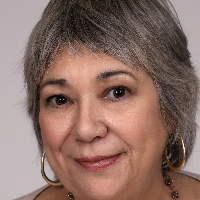
Roxy Mico
LCSW
Hawaii - 32 yrs exp

















How sexual trauma therapy works for Hawaii residents
When you seek therapy for sexual trauma in Hawaii, the process typically begins with an intake conversation to understand your history, current concerns, and goals. That initial session is an opportunity for you to learn about a therapist's approach and to decide whether you feel comfortable continuing. Many clinicians use trauma-informed methods that focus on safety, stabilization, and gradual processing of traumatic memories, while tailoring interventions to your needs and pace. Therapy often moves as you build trust and develop coping skills that help manage symptoms and improve day-to-day functioning.
Being on an island can shape practical aspects of care. If you live in Honolulu you may have more in-person options with a range of specialties and clinic settings. If you are in Hilo or Kailua, local choices may be fewer and you may rely more on clinicians who offer flexible scheduling or hybrid models. Regardless of where you live, a therapist who understands the cultural and community context of Hawaii - including Native Hawaiian and Pacific Islander experiences - can make a meaningful difference in how you feel seen and supported.
Finding specialized help for sexual trauma in Hawaii
When you begin your search, look for clinicians who list sexual trauma, sexual assault, or complex trauma as areas of focus. You can review provider profiles to see education, licensure, therapeutic modalities, and experience with survivors. Licenses such as LCSW, LMFT, or clinical psychology credentials indicate professional training and oversight. You might also find therapists who highlight training in trauma-specific approaches like trauma-focused cognitive behavioral therapy, eye movement processing methods, somatic therapies, or other evidence-informed practices. Reading clinician descriptions helps you identify who emphasizes sensitivity to cultural factors that matter in Hawaii.
If you prefer in-person sessions, consider proximity, travel time, and whether the clinician offers evening or weekend hours to fit your schedule. For residents of smaller islands or rural areas, online sessions can expand your options and connect you with specialists who are not nearby. When reaching out, a brief phone or email consultation can clarify questions about approach, fees, insurance, and availability so you can make an informed choice before scheduling an intake.
What to expect from online therapy for sexual trauma
Online therapy can be a practical and effective option for many people in Hawaii. Virtual sessions rely on video or phone communication, and they allow you to work with a therapist who has particular expertise in sexual trauma even if they are not on your island. You should expect your therapist to discuss how to create a comfortable setting for sessions, including ways to manage interruptions, choose a quiet room, and recognize safety concerns. You will also talk about consent for online work, limits of telehealth, and strategies for grounding if intense emotions arise during a session.
Therapists often adapt trauma-focused techniques for remote delivery. Processing work may be paced more slowly than in-person care, with additional emphasis on stabilization, coping skills, and check-ins about how you are managing between sessions. Online therapy can also provide flexibility if you live in Hilo or other areas where travel is challenging, and it may make it easier to maintain continuity of care during transitions or busy periods.
Common signs that you might benefit from sexual trauma therapy
People pursue therapy for sexual trauma for many reasons. You might experience intrusive thoughts or memories that feel overwhelming, or you may notice anxiety, pervasive shame, or mood changes that affect relationships and daily life. Some people find themselves avoiding reminders of a traumatic experience, withdrawing socially, or struggling with trust and intimacy. Others notice physical symptoms such as sleep disruption, heightened startle response, or chronic tension that do not respond to usual self-care. If you find that past experiences interfere with your work, family life, or sense of well-being, talking with a therapist who understands sexual trauma can help you explore options for support.
It is common to hesitate before seeking help. Cultural expectations, concerns about judgment, and practical barriers can all play a role. In Hawaii, community connections and family networks are often important, and you might prefer a clinician who is knowledgeable about those dynamics. Reaching out for a consultation can be a manageable first step that helps you clarify what kind of help feels right.
Tips for choosing the right therapist for this specialty in Hawaii
Start by identifying what matters most to you in a therapeutic relationship. You may value experience with sexual trauma, familiarity with certain therapeutic approaches, or a therapist who shares or understands your cultural background. Read profiles carefully to see how clinicians describe their training and areas of emphasis, and look for language that signals a trauma-informed approach and respect for your autonomy.
Consider logistics such as location, availability, and cost. In Honolulu you may have more in-person evening appointments available, while in smaller communities you might prioritize convenience and continuity through teletherapy. Ask about sliding scale options, insurance participation, and session length. A brief initial consultation can help you assess whether the therapist's style and communication feel like a good fit. Trust your instincts - feeling safe enough to be honest and vulnerable is essential for effective trauma work.
When you speak with a prospective therapist, you can ask how they structure treatment for sexual trauma, what approaches they commonly use, and how they involve you in planning goals. Inquire about their experience working with people from diverse backgrounds and how they tailor care for cultural or community needs in Hawaii. If you have specific concerns about intimacy, parenting, or legal matters, mention these so you can learn whether the clinician has relevant experience.
Cultural and community considerations
Hawaii's communities are diverse, with a mix of Indigenous, Asian, Pacific Islander, and mainland influences. You may prefer a therapist who understands the role of family, cultural practices, and historical context in healing. Therapists who practice with cultural humility will ask about your identity and values and will adapt care accordingly. If you live in Kailua or Hilo, local knowledge can help with practical matters and resource referrals. In Honolulu you may find clinicians with specialist training and community-based programs that complement individual therapy.
Practical next steps
Begin by browsing the therapist listings to identify clinicians whose profiles match your needs. Contact one or two providers to ask about availability, approach, and fees. Prepare a few questions for your first session about how the therapist structures treatment and how they measure progress. Keep in mind that finding the right fit can take time - if the first match is not ideal, you can try another clinician until you find someone with whom you feel understood and respected.
Seeking help for sexual trauma is a courageous step. Whether you choose daytime appointments in Honolulu, a therapist who offers flexible teletherapy to reach Hilo residents, or a clinician with evening hours in Kailua, the goal is to find care that supports your healing on your terms. Use the listings below to explore profiles, learn about approaches, and connect with a therapist who can help you take the next steps in your recovery journey.