Find a Social Anxiety and Phobia Therapist in Hawaii
This page helps you find therapists in Hawaii who specialize in social anxiety and phobia, with listings across the islands. Browse the profiles below to compare credentials, treatment approaches, and availability near Honolulu, Hilo, Kailua, and beyond.
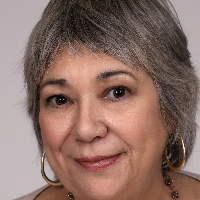
Roxy Mico
LCSW
Hawaii - 32 yrs exp















How social anxiety and phobia therapy works for Hawaii residents
If you are seeking care for social anxiety or specific phobias in Hawaii, therapy typically begins with an assessment to understand how symptoms affect your daily life. A clinician will ask about the situations that provoke fear, how you cope, the length of time you have experienced symptoms, and any impact on work, school, relationships, or island life. Based on that conversation you and the therapist will shape a plan that fits your goals - whether your priority is reducing the intensity of panic in social settings, building confidence for public speaking, or learning ways to face a specific fear.
Treatment methods commonly used for social anxiety and phobia include cognitive behavioral therapy, exposure-based techniques, and strategies drawn from acceptance and commitment approaches and mindfulness. Sessions may focus on skill-building such as anxiety management, thought restructuring, and graded exposure to feared situations. Therapists in Hawaii often adapt these techniques to fit your lifestyle, taking into account factors like travel between islands, cultural values, and family or community roles that are meaningful where you live.
What a typical course of therapy looks like
You can expect early sessions to concentrate on assessment and psychoeducation - learning how anxiety works and what maintains it over time. After that, you will gradually practice new strategies with guided support. Progress is commonly measured by how much you are able to do that felt difficult before - attending a social event, speaking up in a meeting, or entering a situation that used to trigger panic. Frequency of sessions varies based on need and availability, with many people meeting weekly at first and then spacing sessions out as they gain confidence and skills.
Finding specialized help for social anxiety and phobia in Hawaii
When looking for a specialist in Hawaii, search for therapists who list social anxiety, social phobia, performance anxiety, or specific phobias among their areas of focus. Major population centers like Honolulu offer a wider range of in-person options, including clinicians with training in exposure therapy and group programs. If you live in Hilo, Kailua, or on a neighbor island, you may find fewer in-person specialists nearby, but many clinicians offer remote sessions that can bridge geographic gaps across the state.
Language and cultural competence can matter a great deal. Some therapists have experience working with Native Hawaiian perspectives, Pacific Islander communities, and the multicultural dynamics present in Hawaiian life. If community, family roles, or local traditions play a large role in your well-being, consider a clinician who understands those contexts and can integrate that knowledge into treatment without making assumptions about your experience.
What to expect from online therapy for social anxiety and phobia
Online therapy has become a practical option for many people in Hawaii, especially when travel between islands or limited local availability makes in-person care difficult. Sessions usually take place via video call and replicate much of the structure you would find in face-to-face work - assessment, goal setting, skill practice, and check-ins on progress. Because many fears are social in nature, you may find it helpful to practice exposure exercises that begin in the online session and continue in real-world settings afterward.
Before starting online sessions, check that the therapist is licensed to practice in Hawaii and that their technology setup works well for you. Choose a quiet area with a reliable internet connection where you can speak and be heard without interruptions. It is also helpful to discuss session boundaries and what will happen if a technical issue occurs so you know how to resume or reschedule as needed. For those living in rural communities or on smaller islands, online therapy can provide access to clinicians with specialized training who might otherwise be out of reach.
Making online sessions effective
To get the most from remote therapy, plan for small, manageable homework tasks that you can practice between sessions. You may record progress notes, try brief exposure exercises in controlled steps, and use relaxation techniques before and after challenging interactions. If anxiety peaks during a session, your therapist can guide breathing and grounding strategies in real time. Being intentional about how you use the time between sessions helps bring the skills you learn into everyday situations, whether you are preparing for an interview in Honolulu or attending a family gathering in Hilo.
Common signs that someone in Hawaii might benefit from social anxiety and phobia therapy
You might consider reaching out to a therapist if anxiety around social or performance situations consistently interferes with your daily life. This can look like intense fear of being judged in groups, avoidance of social gatherings, difficulty speaking up at work or school, or panic in situations such as eating in public or using public restrooms. Some people notice strong physical symptoms - a racing heart, sweating, trembling, or nausea - when faced with feared situations. Others find that fear of embarrassment or negative evaluation limits their ability to pursue opportunities, form relationships, or enjoy community life in places like Honolulu, Hilo, or Kailua.
Even if symptoms do not meet a clinical threshold, therapy can be useful when anxiety causes you distress or prevents you from doing things that matter. Early help often shortens the time it takes to regain confidence and expand what feels possible.
Tips for choosing the right therapist for this specialty in Hawaii
Start by reviewing therapist profiles to learn about training, therapeutic approaches, and experience with social anxiety and phobias. Look for clinicians who describe exposure-based work or cognitive behavioral methods if you want evidence-informed techniques, and consider whether you prefer a therapist who uses a more supportive or skill-focused style. Availability for in-person sessions in Honolulu or nearby clinics may be important if you want face-to-face work, while remote options increase choice across the state.
Consider cultural fit as well. A therapist who respects and understands Hawaiian values, family dynamics, and local community practices can help you build strategies that align with your life. Ask about language options if you prefer to work in a language other than English. Practical details matter too - inquire about session length, fees, sliding scale options, and whether the therapist accepts your insurance or offers paperwork that you can submit for reimbursement.
What to ask during an initial consultation
During a first call or email, you can ask how the therapist typically approaches social anxiety and phobia, what kinds of interventions they use, and what a common timeline looks like. It is reasonable to ask about their experience working with people from Hawaii and whether they have helped clients with the particular situations that cause you the most distress. Pay attention to how they respond - trust your sense of whether their style feels respectful and practical for your needs.
If you decide to move forward, remember that finding the right therapist can take a couple of tries. It is okay to change clinicians if the fit is not right. Your comfort in the therapeutic relationship and the sense that your goals are being addressed are both important to sustained progress.
Next steps
Use the listings on this page to compare therapists who focus on social anxiety and phobias across Hawaii. Reach out to clinicians who describe an approach that resonates with you and ask any questions you have about treatment style, scheduling, and fit. Whether you are in Honolulu, Hilo, Kailua, or another part of the islands, finding a therapist who understands your needs can help you take manageable steps toward feeling more confident in social situations and regaining access to activities that matter to you.