Find an Attachment Issues Therapist in Idaho
This page connects you with therapists who specialize in attachment issues across Idaho. Explore listings for professionals who work with adults, couples, and families dealing with attachment-related patterns.
Browse the profiles below to compare approaches, locations, and availability, then reach out to schedule a consultation with a therapist who fits your needs.





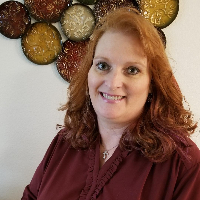






David Bills
LPC
Idaho - 12 yrs exp












How attachment issues therapy works for Idaho residents
When you look for help with attachment concerns in Idaho, you are seeking support for the ways early relationships influence your current connections. Attachment-focused therapy is centered on understanding those patterns - where they come from, how they show up in your relationships, and what changes you can make. A therapist will typically begin with an assessment of your relationship history and current challenges, then help you develop practical strategies for building more stable and satisfying connections. Therapy often blends emotional exploration with skills training so you can both process past wounds and practice new ways of relating.
The process can feel different depending on whether you meet in person or online. In-person sessions in cities like Boise, Meridian, Nampa, or Idaho Falls provide face-to-face interaction that some people find grounding. Teletherapy offers convenience and the ability to access clinicians across the state, which is helpful if you live in a rural area or have scheduling constraints. Either way, the therapeutic work focuses on creating patterns of response that feel more manageable and aligned with your values.
Finding specialized help for attachment issues in Idaho
Finding the right clinician involves looking beyond general counseling descriptions. You will want to find a professional who lists attachment issues or attachment-based approaches as part of their expertise. Some therapists emphasize developmental attachment work, while others integrate attachment-informed techniques into trauma therapy, couples counseling, or parenting support. In Boise and surrounding communities you may find clinicians with a range of training, from experiential attachment models to integrative approaches that include cognitive and somatic methods. In smaller towns like Meridian and Nampa, clinicians often offer flexible scheduling or telehealth to meet diverse needs.
When searching, pay attention to details such as whether the therapist has experience with adult attachment concerns, couples therapy for attachment injuries, or family work that addresses intergenerational patterns. If your needs intersect with trauma or complex relationship histories, look for clinicians who explicitly note training in trauma-informed care alongside attachment-focused work. You can also check for information about how they structure initial assessments and whether they offer a short consultation so you can get a feel for their style before committing to ongoing sessions.
What to expect from online therapy for attachment issues
If you choose online therapy, you will likely begin with an intake session that helps the therapist understand your attachment history and current relationship goals. Online sessions allow you to meet from a familiar setting, which can make it easier to access difficult emotions safely. Therapists will use conversation, guided reflection, and sometimes structured exercises to help you notice patterns in real time. You may be invited to try behavioral experiments between sessions, practice new communication skills with a partner, or journal about relational triggers.
Online work also makes it possible for you to connect with clinicians who specialize in attachment issues but are located in different parts of Idaho. That can be especially useful if you are seeking a particular modality or a therapist with experience in couples work or parenting challenges. While working online, you should discuss practical matters such as session format, expected frequency, payment options, and what to do if you experience a significant emotional crisis between sessions. These practical arrangements help create a predictable structure that supports therapeutic progress.
Common signs that you might benefit from attachment-focused therapy
You might consider attachment therapy if you notice recurring patterns that interfere with your relationships or sense of well-being. These can include persistent fears of abandonment or rejection, difficulty forming or maintaining close connections, or patterns of clinging and withdrawal in relationships. Many people come to therapy after noticing cycles of conflict and repair that leave them feeling exhausted or hopeless about change. Attachment concerns also show up in parenting - if you worry about how your own attachment history affects your relationship with your child, therapy can offer tools to build more responsive interactions.
Other signs include trouble trusting partners despite evidence they are trustworthy, heightened emotional reactivity in close relationships, or difficulties communicating needs without escalating tension. You may also find that past losses or childhood experiences continue to shape how you interpret other people's actions. If these patterns make it hard to form the kind of relationships you want, attachment-focused therapy can help you explore underlying beliefs and practice new responses.
Tips for choosing the right therapist for attachment issues in Idaho
Choosing a therapist is a personal decision and you should feel empowered to ask questions. Start by checking a therapist's stated areas of expertise and the types of clients they work with. Ask about their experience with attachment-focused approaches, and whether they work with adults, couples, or families. Inquire about training and continuing education that relates to attachment theory and relationship interventions. You can also ask about their approach to assessing progress and how they tailor treatment to individual goals.
Consider logistical factors that affect your ability to engage consistently. If you live in Boise or another urban area like Meridian, you may prefer some in-person sessions paired with online check-ins. If your schedule is irregular or you live outside major cities, prioritize clinicians who offer flexible appointment times and teletherapy. Discuss payment options, insurance billing, and whether sliding scale fees are available. Finally, trust your instincts about rapport - the best therapeutic work often depends on a sense of safety and mutual understanding between you and your therapist.
Working with a therapist over time
Once you begin therapy, you will likely set collaborative goals and review them periodically with your clinician. Some work may be short-term and focused on specific relationship patterns, while other goals involve longer-term exploration of attachment histories and deeper emotional shifts. You can expect to practice skills outside sessions and to revisit difficult moments as learning opportunities. If you are in couples therapy, sessions will focus on interactions between partners and building new patterns of repair. If you are parenting-focused, the work will include strategies to strengthen attunement and responsiveness with your child.
It is also helpful to coordinate care when other supports are involved. If you are seeing a medical provider or a specialist for related concerns, you may choose with your therapist to communicate about broader care needs while maintaining appropriate boundaries. Seek therapists who are willing to collaborate with other professionals when that collaboration supports your goals.
Next steps and encouragement
Taking the first step toward addressing attachment issues often feels daunting but is an important move toward more satisfying relationships. Use the listings above to explore clinicians who practice in Boise, Meridian, Nampa, and other Idaho communities, and reach out to a few providers to compare styles and availability. A short consultation can help you assess fit and decide on a path forward. With consistent engagement and a therapist who understands attachment dynamics, you can develop new patterns that lead to greater connection and emotional resilience.
If you are ready, begin by reviewing profiles, looking for clinicians whose descriptions resonate with your concerns, and scheduling an initial conversation. Therapy is a collaborative process, and finding the right match in Idaho can make the work feel more effective and sustainable over time.