Find an Autism Therapist in Idaho
This page lists therapists and clinics in Idaho who specialize in autism, showing both in-person and online options available across the state. Use the directory to compare credentials, read profiles, and find providers near Boise, Meridian, Nampa and other communities. Browse the listings below to start your search.




Stephen (Steve) Yates
LMFT
Idaho - 35 yrs exp
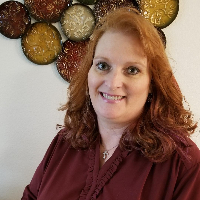











Whitney Wollweber
LCPC
Idaho - 4 yrs exp



How autism therapy works for Idaho residents
When you begin looking for autism therapy in Idaho, you will encounter a range of approaches that aim to support communication, social skills, daily living, and emotional regulation. Therapy often starts with an assessment to identify strengths and areas where support can help you or a loved one function more comfortably in everyday life. Assessments may come from licensed mental health professionals, behavior analysts, speech and language clinicians, or multidisciplinary teams, depending on the age and needs of the person seeking help.
Following an assessment, a provider typically develops a treatment plan with clear goals and recommended interventions. Those goals might focus on improving conversational skills, reducing barriers to learning, or teaching routines that make day-to-day life easier. Therapy can involve direct one-on-one sessions, caregiver coaching, school collaboration, or group-based interventions. In Idaho, you will find providers who work with children, teens and adults, and many practices tailor their approach to local community contexts - whether that means coordinating with schools in Boise or scheduling evening telehealth sessions for families in outlying towns.
Finding specialized help for autism in Idaho
Finding the right specialist in Idaho often means looking beyond general mental health listings. You may search for clinicians with training in applied behavior analysis, developmental disabilities, speech and language therapy, or sensory integration, depending on the support you need. Many families start by checking provider profiles for stated areas of expertise, educational background, and experience with autism across the lifespan. It can also help to look for therapists who have experience working with local school districts or who provide evaluations that meet educational planning requirements.
Geography matters in Idaho. Cities such as Boise and Meridian tend to have a wider variety of specialists, while people living in Nampa or Idaho Falls might find fewer in-person options and therefore rely more on providers who travel regionally or offer remote services. Rural residents often benefit from clinicians who understand how to coordinate care with schools, community programs and local pediatricians. When you contact a provider, ask about their experience working with the specific age group and the types of supports they commonly employ.
What to expect from online therapy for autism
Online therapy can be a practical choice in Idaho, especially if you live outside larger metropolitan areas or need a flexible schedule. In a virtual session you can expect structured activities, coaching for caregivers, and guided practice in communication or social skills. Some therapists use video to observe interactions and offer real-time feedback, while others will provide home-based strategies you can practice between sessions. Teletherapy is often well-suited for parent-mediated interventions and social skills coaching for older children and adults.
When considering online care, think about the technology and environment needed for a productive session. A quiet room, a reliable internet connection, and a device with a camera are helpful. You may find that hybrid arrangements - a combination of in-person visits and online follow-ups - provide the best continuity, allowing direct assessment or certain hands-on techniques to happen face-to-face when needed, and using teletherapy for ongoing coaching and support.
Common signs that someone in Idaho might benefit from autism therapy
It can be difficult to recognize when to seek help, but there are common patterns that prompt families and adults to look for autism-specific services. You might notice differences in how a child or adult communicates, such as delayed speech, limited use of gestures, or challenges with back-and-forth conversation. Social interaction differences can appear as difficulty making eye contact, understanding social cues, or forming friendships. Repetitive behaviors, strong preferences for routines, or intense focus on specific interests are other reasons to inquire about an evaluation or therapy.
In school settings, teachers might notice that a student struggles with transitions, sensory sensitivities, or participates differently in group work. As an adult you may find that sensory overload, workplace social demands, or managing daily routines feels unusually taxing. None of these patterns are a diagnosis by themselves, but they are valid reasons to seek an assessment from a clinician familiar with autism. In Idaho, early evaluation can help families access educational supports and community resources that make a meaningful difference in learning and quality of life.
Tips for choosing the right therapist for this specialty in Idaho
Choosing a therapist is a personal decision that should align with your goals, values and practical needs. Start by clarifying what outcome you want - whether it is improving communication, building social skills, reducing anxiety, or supporting school success. Look for providers who describe relevant experience and who can explain their approach in clear terms. A good match often depends on how comfortable you feel with the clinician and whether they include family members or caregivers in the process when appropriate.
Practical considerations are also important in Idaho. Consider the provider's location relative to Boise, Meridian, Nampa or Idaho Falls, and whether appointment times match your schedule. Ask about insurance, sliding-scale options, and whether the clinician collaborates with schools or other specialists in your area. If you are exploring online options, inquire about how sessions are structured and what materials you will need. When possible, arrange a brief consultation to get a sense of rapport and to confirm the therapist's experience with the specific issues you're seeking help for.
Working with schools and community resources
Your therapist can be a partner in coordinating support across settings. In Idaho, educational teams often play a central role in implementing interventions during the school day. A clinician who communicates effectively with teachers, school psychologists and occupational therapists can help ensure that strategies are consistent at home and at school. Community-based programs and support groups can provide additional opportunities for social learning and family education, and a well-connected therapist can point you toward local resources in Boise, Meridian, Nampa and Idaho Falls.
Preparing for your first sessions
Before your first appointment, gather any previous evaluations, school reports, or notes from pediatricians that may help the clinician understand history and context. Think about immediate priorities and long-term goals so you can discuss them during intake. You should expect the initial sessions to focus on gathering information and building a relationship; meaningful change typically unfolds over time as goals are practiced and adjusted.
Moving forward with confidence
Searching for autism therapy in Idaho can feel overwhelming, but taking it step by step helps. Use provider profiles to narrow options, reach out for consultations, and consider both in-person and online models to find a fit that works for your life. Whether you live near a larger center like Boise or in a smaller community, many clinicians tailor services to individual needs and local realities. With thoughtful selection and clear goals, therapy can provide practical tools and strategies to support everyday functioning and well-being.
If you are ready to begin, explore the listings on this page to compare providers, read about their specialties, and contact those who seem like a good fit. Reaching out is the first step toward connecting with skilled professionals who can guide you through assessment, planning and ongoing support.