Find a Chronic Illness Therapist in Idaho
This page features licensed therapists who specialize in supporting people living with chronic illness across Idaho. Listings include clinicians who offer in-person appointments and remote sessions in areas such as Boise, Meridian, Nampa, and beyond.
Browse the profiles below to compare specialties, approaches, and availability, and connect with a clinician who can help you manage daily life and emotional challenges related to chronic health conditions.


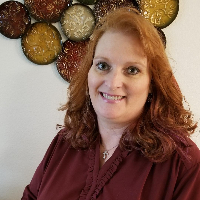

David Bills
LPC
Idaho - 12 yrs exp


Jocelyn Mirahcic
LCSW
Idaho - 6 yrs exp















How chronic illness therapy works for Idaho residents
If you are living with a long-term health condition, therapy can help you adapt to ongoing symptoms, medical uncertainty, and changes in daily functioning. In Idaho, therapy for chronic illness typically begins with an assessment that looks at how the illness affects your mood, relationships, work or school, sleep, and activity levels. A clinician will work with you to set goals that are practical and tailored to your priorities - whether that means reducing stress related to medical care, developing pacing strategies for fatigue, or rebuilding a sense of identity after a diagnosis.
Therapists who focus on chronic illness often coordinate care with your medical team when needed. That collaboration can help align psychological strategies with pain management plans, medication adjustments, or rehabilitation services. In many Idaho communities - including Boise, Meridian, and Nampa - clinicians are familiar with local healthcare resources, disability services, and community supports that can be part of a broader plan for living well with a chronic condition.
Finding specialized help for chronic illness in Idaho
When you begin searching for a therapist, look for clinicians who highlight experience with chronic pain, autoimmune conditions, fatigue syndromes, diabetes, neurological disorders, or long-term recovery from injury. In Idaho, some therapists combine general clinical training with specialized approaches such as acceptance and commitment therapy, cognitive behavioral therapy adapted for pain, mindfulness-based stress reduction, or rehabilitation-focused counseling. Licensure information lets you confirm that a provider is authorized to practice in Idaho - common credentials include licensed clinical social worker, licensed professional counselor, and licensed marriage and family therapist.
Availability varies across the state, and residents in smaller towns may find more options through remote sessions. Many therapists list the kinds of conditions they work with and their professional experience in profile summaries. Reviewing those details before contacting someone can save time and help you focus on clinicians who match your needs, whether you live in Idaho Falls, Boise, or a rural area.
What to expect from online therapy for chronic illness
Online therapy can make it easier to access clinicians who specialize in chronic illness, especially if mobility, fatigue, or geographic distance are barriers. Sessions typically take place via video or phone and follow a similar structure to in-person appointments - assessment, collaborative goal setting, skill-building, and regular check-ins. Many people find that remote sessions allow them to participate from home on days when symptoms are worse, or to include family members who live elsewhere.
Before starting online therapy, confirm that the clinician is licensed to provide services to Idaho residents and ask about the technology they use. You should also discuss how they handle emergencies and what to do if symptoms escalate between sessions. Online therapy can be a practical way to receive ongoing psychological support while reducing travel demands, and it can be combined with occasional in-person visits when that is helpful.
Common signs that someone might benefit from chronic illness therapy
Deciding to seek therapy is often prompted by a mix of physical and emotional signals. You might notice persistent anxiety about symptom flare-ups or medical appointments, ongoing sadness or loss of interest in activities you used to enjoy, or difficulty managing daily responsibilities because of pain or fatigue. Changes in sleep patterns, increased irritability in relationships, avoidance of social situations, or trouble concentrating at work can also indicate that additional support would be helpful.
Therapy can be beneficial if you are struggling to adjust to a new diagnosis, feeling overwhelmed by the demands of complex treatment regimens, or noticing a decline in quality of life. It is also appropriate when caregivers or family members are under strain and need strategies to support both their loved one and themselves. You do not have to wait for a crisis to reach out - early engagement with a therapist can build coping skills that reduce stress over time.
Tips for choosing the right therapist for this specialty in Idaho
Start by identifying the practical factors that matter most to you, such as whether you prefer in-person sessions in Boise or Meridian, or the convenience of telehealth. Next, review clinician profiles for descriptions of relevant experience and therapeutic approaches. It is reasonable to ask a prospective therapist about their experience working with your specific condition and whether they have collaborated with medical teams in the past.
Consider questions about logistics as well - insurance acceptance, sliding scale fees, session length, and cancellation policies can all affect whether a provider is a good fit. If accessibility is a concern, ask about accommodations for mobility issues or sensory sensitivities. During an initial conversation, pay attention to how the clinician listens and whether they propose goals that align with yours. A good match feels collaborative - you and the therapist should be able to agree on small, achievable steps toward improving daily functioning and emotional well-being.
Licensure and telehealth considerations
Therapists must be licensed in Idaho to provide ongoing care to residents. If you plan to use telehealth, confirm that the provider is approved to offer remote services to people living in Idaho. Licensing rules can affect whether a clinician in another state can legally provide care to you, so checking credentials and licensure status is an important step before beginning treatment. Your insurance plan or employee assistance program may have rules about telehealth coverage, so verify benefits ahead of time to avoid unexpected costs.
Preparing for the first sessions and what comes next
Before your first appointment, it helps to gather a brief medical history, a list of current medications, and any recent test results or treatment notes if you plan to share them. Think about what you hope to achieve in therapy - managing pain-related anxiety, improving energy through activity pacing, or coping with changes in identity after a diagnosis are common goals. Early sessions are often dedicated to building rapport and clarifying priorities, and you should expect the therapist to suggest an initial plan with measurable steps.
Over time, therapy for chronic illness focuses on building durable skills - ways to manage stress, improve sleep, regulate activity to prevent boom-and-bust cycles, and communicate needs with healthcare providers and loved ones. Progress can be gradual, and the therapist will adjust interventions as your circumstances evolve. If you live in a city like Nampa or Idaho Falls, you may find additional community resources such as support groups, pain clinics, or rehabilitation services that complement psychotherapy.
Final considerations as you search in Idaho
Finding the right therapist is a personal process. Allow yourself to reach out to a few clinicians, ask questions, and schedule initial conversations to get a sense of fit. Whether you are balancing medical appointments, work, family responsibilities, or mobility limitations, a therapist with experience in chronic illness can help you develop strategies that are realistic for your life. Use the listings on this page to compare specialties and availability, and reach out to clinicians who seem aligned with your goals so you can begin building a plan for improved coping and wellbeing.