Find a Compulsion Therapist in Idaho
This page highlights therapists in Idaho who focus on compulsion-related concerns. Listings include clinicians serving Boise, Meridian, Nampa and nearby communities, with details on specialties and contact options. Browse the listings below to compare providers and find a good match.



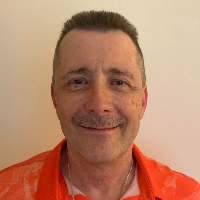
Stephen (Steve) Yates
LMFT
Idaho - 35 yrs exp













How compulsion therapy works for Idaho residents
If you are dealing with repetitive urges, rituals, or behaviors that feel hard to control, compulsion-focused therapy is designed to reduce the interference those behaviors create in daily life. Therapy typically begins with an assessment to learn about the pattern of behaviors, triggers, and the ways those behaviors affect work, relationships, and wellbeing. From there a clinician and you will create a treatment plan that balances symptom reduction with practical strategies to support everyday functioning.
Treatment approaches that specialists in Idaho often use are rooted in behaviorally oriented methods that emphasize learning new responses and practice. You can expect collaborative goal setting, structured sessions, and homework that helps you practice skills between meetings. Progress tends to be incremental, and many people find that consistent practice and support from a trained clinician help them regain control over time.
Common approaches used in compulsion therapy
Cognitive-behavioral interventions are frequently used to address compulsive behaviors. These approaches focus on identifying patterns of thought and behavior that maintain unwanted routines, and then gradually changing those patterns through guided practice. Exposure-based techniques may be introduced in a stepwise way to help reduce reactivity to triggers. Habit reversal strategies can help you learn alternative responses to impulses. A therapist will adapt techniques to your needs, taking into account your life in Idaho and the specific settings where compulsive behaviors occur.
Finding specialized help for compulsion in Idaho
When looking for a specialist, consider clinicians who list compulsion or related conditions among their primary interests. You can search profiles to see training, licensure, and areas of focus. Many therapists working in larger population centers such as Boise will have experience with a broader range of presentations, while clinicians in Meridian, Nampa, and Idaho Falls may offer more community-oriented care and familiarity with local resources. Whether you choose someone near you or a therapist who practices online, review their descriptions to see how they describe their approach to compulsive behaviors.
It is helpful to confirm that a clinician holds appropriate state licensure and has experience with evidence-informed methods. You can reach out by phone or message to ask about their experience with compulsions and the kinds of strategies they recommend. Most providers will describe an initial assessment session where they gather background and discuss treatment options.
In-person and online options in Idaho
You can access compulsion therapy in face-to-face offices across the state or through online sessions. In-person care can be useful if you prefer meeting in a local office and want to connect with community services. Cities like Boise and Nampa host practices with extended hours and multidisciplinary teams. Online therapy expands options by letting you work with clinicians who may not be in your immediate area, which is useful in rural parts of Idaho where local specialty care can be sparse.
When choosing between in-person and online, consider convenience, travel time, and the type of support you will need between sessions. Some people find hybrid care effective - a mix of in-person visits and online follow-ups. If you plan to use online therapy, check that the therapist offers a format that fits your schedule and that they explain how sessions will proceed and how you will practice skills between appointments.
What to expect from online therapy for compulsion
Online compulsion therapy often mirrors in-person care in structure and therapeutic content. Your first online appointment is usually an assessment that covers current challenges, treatment history, and goals. After that, sessions often include skill teaching, guided practice, and planning for exposure or habit reversal exercises. Therapists commonly assign practice tasks to help you generalize changes to situations at home, work, or school.
Technology can be used to support between-session work. A therapist may suggest tracking patterns, using digital reminders to practice skills, or recording exposures for review. If you choose online work, confirm the therapist's expectations for session length, cancellations, and how to contact them between appointments if needed. Make sure to discuss any safety planning or crisis procedures so you know what to do if intense urges become overwhelming between sessions.
Common signs someone in Idaho might benefit from compulsion therapy
If compulsive behaviors take up large amounts of time, cause distress, or interfere with daily responsibilities you may benefit from specialized care. Signs include performing rituals to reduce anxiety or distress, repeated checking or arranging that disrupts daily routines, persistent urges that lead to actions despite negative consequences, and avoidance of social or work situations because of rituals. You might also notice increased strain in relationships when others respond to or enabled compulsive behaviors. If these patterns are present, speaking with a clinician can clarify whether compulsion-focused therapy could help.
Residents of college towns or commuter communities may find that stress, schedule demands, and environmental triggers influence compulsive patterns. Therapists in Idaho can help you identify specific triggers that occur in local settings, such as workplace demands in Boise or family expectations in smaller towns, and develop strategies that fit your lifestyle.
Tips for choosing the right therapist for this specialty in Idaho
Selecting a therapist is both practical and personal. Start by identifying clinicians who note compulsion or related behavioral concerns among their specialties. Read profiles for descriptions of their approach and years of experience. You may prefer someone who emphasizes exposure-based practice, habit reversal, or a cognitive-behavioral framework. Consider practical factors such as location, availability, sliding scale options, and whether they accept your insurance.
First impressions matter. Many therapists offer brief phone consultations or an initial intake session that lets you assess fit. During that conversation, ask about their experience with compulsive behaviors, typical session structure, expected duration of treatment, and how they measure progress. You can also ask how they collaborate with other care professionals if you are working with a medical provider or family members.
Think about cultural fit and communication style. A therapist who understands your background and daily context will be better able to tailor strategies that work for your life in Idaho. If you live in or near Boise, Meridian, Nampa, or Idaho Falls, you may want a clinician familiar with local supports, such as community groups or specialty clinics.
Questions to prioritize when evaluating options
Ask how many clients they have treated with compulsive behaviors and what methods they use during early treatment. Inquire about homework expectations and how they support you between sessions. Clarify logistics like session length, fees, insurance, and cancellation policies. If you are exploring online care, ask how they handle emergency situations and what platforms they use so you can be comfortable with the technology.
Local considerations and next steps
Finding the right therapist can change how you manage compulsive behaviors day to day. Start by browsing the listings on this page to identify clinicians who match your needs, then reach out to schedule a brief consultation. If transportation or scheduling is a concern, consider online options that expand your choices beyond a single city. Keep in mind that good treatment is collaborative - your input about goals and preferences will shape the approach a therapist uses.
Whether you live in a bustling center like Boise or a smaller community, there are ways to access focused care for compulsive patterns. Use the profiles to compare training and approaches, ask targeted questions during initial contacts, and choose a clinician whose methods and communication style align with your goals. Taking that first step to connect with a specialist is a practical move toward reducing the hold of compulsive behaviors on your daily life.