Find an Isolation / Loneliness Therapist in Idaho
This directory features licensed clinicians in Idaho who focus on isolation and loneliness, with listings that include locations, specialties, and contact details. Browse the profiles below to compare approaches and find a clinician who fits your needs.








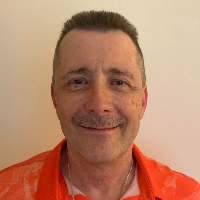
Stephen (Steve) Yates
LMFT
Idaho - 35 yrs exp












How isolation and loneliness therapy works for Idaho residents
If you are feeling disconnected from others or are spending more time alone than you want, therapy can help you understand the roots of those feelings and build practical ways to reconnect. Sessions typically begin with an assessment of your current social patterns, mood, daily routines, and any life changes that contributed to increased isolation. From there, you and your therapist set goals that match your priorities - whether that means improving the quality of your relationships, developing social skills, or finding meaningful activities in your community.
Therapists use a range of evidence-informed approaches to address loneliness. Cognitive behavioral strategies can help you notice and shift thought patterns that make social contact feel risky or unrewarding. Interpersonal work focuses on the ways you relate to others and on improving communication and trust. Behavioral activation encourages gradual re-engagement with activities that bring you into contact with others. Group therapy offers a built-in opportunity to practice social connection in a structured environment. Your therapist will tailor methods to your preferences, life stage, and the resources available in your part of Idaho.
Finding specialized help for isolation and loneliness in Idaho
When looking for a therapist in Idaho, consider clinicians who list isolation, loneliness, social anxiety, or relationship concerns among their specialties. Profiles often note experience working with adults, older adults, college students, or specific cultural communities. If you live near Boise, Meridian, Nampa, or Idaho Falls, you may have access to a wider range of in-person providers. If you are in a smaller town or a rural area, online sessions can expand your options and connect you with professionals who focus specifically on social reconnection.
Licensure and training are important markers to review. Licensed clinical social workers, psychologists, and professional counselors have different training paths, and many maintain additional certifications or training in approaches relevant to loneliness and social functioning. Reading therapist bios and looking for experience with grief, life transitions, chronic illness, or social anxiety can help you find someone who understands the particular circumstances that often underlie isolation.
What to expect from online therapy for isolation and loneliness
Online therapy can be a practical choice in Idaho, where distances between communities can make frequent in-person appointments difficult. When you choose online sessions, you can expect a similar structure to face-to-face work - an initial intake to discuss history and goals, regular sessions that follow a plan, and homework or practice between sessions. Many therapists offer video sessions that mimic an in-person conversation. Some may provide phone sessions if video is not comfortable for you.
To get the most from online therapy, plan to join sessions from a quiet, comfortable environment where you can speak openly without interruption. Therapists will discuss how they protect your information and how they handle emergencies or urgent concerns. You should also ask about session length, frequency, fees, and whether they offer sliding scale rates or accept insurance. For people in Boise or Meridian, online options can complement local in-person resources. If you live in Nampa or Idaho Falls, online therapy can let you work with clinicians whose expertise might not otherwise be available nearby.
Common signs someone in Idaho might benefit from isolation and loneliness therapy
You might consider seeking therapy if you notice that periods of isolation are longer than you want, or if loneliness is affecting your mood, sleep, appetite, or motivation. Emotional signs include persistent sadness, feeling empty despite being busy, or experiencing a growing sense of disconnection even when surrounded by others. Behavioral signs include withdrawing from activities you used to enjoy, avoiding invitations, or spending a lot of time alone by default rather than choice.
Practical changes can also be indicators. You may have difficulty starting a conversation, maintaining friendships, or trusting that others will meet your needs. Life transitions common in Idaho - such as moving for work, returning from military service, retirement, or remote work that reduces daily social contact - can intensify loneliness. If these patterns feel familiar, therapy can offer strategies to rebuild social ties and create routines that support connection.
Tips for choosing the right therapist for this specialty in Idaho
Start by reading clinician profiles to find a match in training, experience, and therapeutic approach. If you prefer cognitive techniques that focus on changing thought patterns, look for therapists who mention cognitive behavioral methods. If you want to explore relationship patterns and attachment, seek out those who highlight interpersonal or psychodynamic work. Consider whether you want a therapist with experience in group work - groups can provide immediate opportunities to practice connection in a meaningful way.
Think about logistics as well. Determine whether you need evening or weekend appointments, if you prefer in-person sessions in Boise, Meridian, Nampa, or Idaho Falls, or whether online options would fit your schedule better. Ask about fees and insurance coverage before scheduling, and inquire about sliding scale options if cost is a concern. It is appropriate to contact a few therapists to get a sense of their communication style and availability. A short phone call or message can help you decide whether to schedule an intake.
What to ask during an initial contact
When you reach out, ask how they typically work with people experiencing loneliness, what goals they set in the early sessions, and how they measure progress. You can ask about experience with specific life situations that matter to you - for example, if you are a student, a parent, or someone who has experienced recent loss. Clarify practical details like session length, cancellation policies, and whether they offer in-person meetings in towns like Boise or offer telehealth for those in more remote parts of the state.
Making therapy fit your life in Idaho
Therapy is most helpful when it fits your daily rhythms and commitments. If you live in a rural area, plan for travel time or opt for online sessions to maintain consistency. If community is part of your recovery, look for local groups or volunteer opportunities that create structured ways to meet people. Many Idaho communities have civic, recreational, and cultural organizations where you can gradually build connections that complement your therapeutic work.
Be patient with the process. Building or rebuilding social connections takes time, practice, and small steps. Work with your therapist to set realistic goals and celebrate incremental progress - making one new contact, returning to an activity you enjoyed, or expressing your needs to someone you trust are all meaningful achievements. Over time, these efforts can help you develop a more connected and satisfying social life.
Next steps
Use the directory above to browse clinicians who list isolation and loneliness among their specialties. Consider scheduling an initial consultation to discuss your experience and goals. If you live near Boise, Meridian, Nampa, Idaho Falls, or elsewhere in Idaho, there are options that can meet your needs through in-person or online sessions. Taking that first step can open a path toward greater connection and well-being.