Find a Mood Disorders Therapist in Idaho
This page lists therapists who focus on mood disorders across Idaho, including practitioners serving urban and rural communities. Browse the profiles below to compare specialties, approaches, and availability.









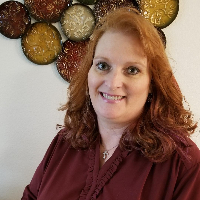
Stephen (Steve) Yates
LMFT
Idaho - 35 yrs exp














How mood disorders therapy works for Idaho residents
When you reach out for help with mood-related challenges, the process typically begins with an intake conversation to learn about your history, current concerns, and goals. Therapists in Idaho will often combine listening with standardized screening tools to understand patterns in mood, sleep, appetite, energy, and daily functioning. From there, you and the clinician develop a plan that can include regular talk therapy sessions, skill-building exercises, coordination with other health professionals, and practical strategies for managing symptoms day to day.
Therapy for mood-related concerns is collaborative. Your therapist acts as a guide who helps you notice patterns, try new coping strategies, and build routines that support emotional balance. Sessions usually follow a rhythm that changes as you progress - what you focus on in the first weeks may be different from what you work on months later. Many people find this gradual, structured approach helps them regain steadiness and greater control over their mood and functioning.
Finding specialized help for mood disorders in Idaho
Idaho has a mix of clinicians working in cities, suburban communities, and smaller towns, so your options will vary depending on where you live. In larger population centers like Boise and Meridian you will often find clinicians with specialized training in mood disorders, evidence-based therapies, and experience with more complex presentations. In places such as Nampa and Idaho Falls there are clinicians who balance broad generalist skills with focused experience in depression, bipolar spectrum concerns, and persistent low mood.
When you search listings you can look for clinicians who note experience with mood disorders, mood regulation strategies, and related approaches such as cognitive-behavioral therapy, interpersonal therapy, or acceptance and commitment approaches. If you have additional needs - for example, co-occurring anxiety, chronic health issues, or relationship concerns - consider therapists who describe integrated approaches. Some clinicians emphasize work with specific populations, such as adolescents, older adults, or people managing life transitions, and that specialization can be especially useful when your circumstances match their focus.
What to expect from online therapy for mood disorders
Online therapy has become a common option in Idaho, offering greater flexibility for scheduling and reducing travel time when you live outside city centers. If you choose online sessions you can expect many of the same therapeutic methods used in person - the clinician will still conduct assessments, teach coping strategies, and track progress over time. Technology makes it possible to meet regularly even if you live in a smaller community or your schedule is irregular.
Before your first online session you will typically receive instructions about the video platform, privacy considerations, and how to prepare. A good clinician will check in early about how well the online format is working for you and adjust if needed. Some people prefer a mix of online and occasional in-person meetings, especially if local clinicians offer flexible arrangements. Online therapy also makes it easier to access clinicians with specific expertise who may be located in Boise or Meridian but can meet with you remotely regardless of where you live in Idaho.
Common signs that someone in Idaho might benefit from mood disorders therapy
There are many reasons people seek help, and not all of them are dramatic. You might consider reaching out if you notice persistent low mood that lasts for weeks, changes in sleeping or eating patterns, diminished interest in activities you used to enjoy, or difficulty managing daily responsibilities. Mood changes that interfere with work, school, family life, or relationships are a clear sign that professional support could be helpful.
Other signs include intense mood swings that feel hard to predict, a sense of hopelessness or pervasive irritability, or difficulty bouncing back after setbacks. You may also find that personal coping strategies are no longer as effective as they once were, or that substances are being used more often to manage emotions. If you have safety concerns or thoughts of harming yourself, it is important to reach out for immediate help through local emergency resources while also connecting with a mental health professional for ongoing support.
Tips for choosing the right therapist for mood disorders in Idaho
Choosing a therapist is a personal process that involves both practical and interpersonal considerations. Start by reviewing profiles to see which clinicians list mood disorders as a focus and which therapeutic approaches they use. Pay attention to experience with populations similar to yours. If you live in a rural area, ask about availability for virtual sessions and how they handle scheduling. If you live in Boise or Meridian you may have more options for evening or weekend appointments, which can be helpful if you work irregular hours.
Compatibility matters. In early sessions notice whether you feel heard, whether the clinician explains their approach in a way that makes sense to you, and whether they collaborate on goals. It is reasonable to ask about training in specific therapies, their experience with mood-related concerns, and how they measure progress. Some clinicians include worksheets, mood tracking, or brief assignments between sessions; others focus on conversational exploration. Consider what style fits you best and don't hesitate to try a few profiles until you find the right match.
Practical logistics are important too. Ask about session length, fees, cancellation policies, and whether they coordinate care with other providers if you are working with a physician or psychiatrist. If cost is a concern, inquire about sliding scale options or clinicians who offer flexible payment arrangements. In larger centers such as Boise or Meridian there may be community clinics and university-affiliated services that provide additional access options. In smaller towns, clinicians often juggle diverse roles and can be excellent at offering pragmatic supports that fit local life.
Preparing for your first sessions and planning next steps
Before your first appointment gather any relevant history such as previous therapy, medications, major life events, and a list of current challenges you want to address. Think about what you hope to gain from therapy - clearer mood regulation, improved relationships, better sleep, or strategies for coping with stress. Being clear about your goals helps the clinician design a plan that aligns with your priorities.
Therapy is an ongoing process. Over the first few sessions you and your clinician will set goals and identify small, practical steps you can take between meetings. Progress can be gradual, and it is common to adjust the plan as you learn more about what works. If you live in a community such as Nampa or Idaho Falls and need referrals for additional services, ask your therapist for local resources and ways to integrate other supports into your plan.
Moving forward in Idaho
Seeking help for mood-related concerns is an important step toward feeling better and functioning more comfortably in daily life. Whether you choose in-person care in a city like Boise or Meridian or opt for online sessions that reach across Idaho, the goal is to find a clinician who understands your experience and helps you build practical skills. Use the listings above to compare specialties, approaches, and availability, and reach out to begin a conversation about the next steps on your path to improved mood and resilience.