Find a Phobias Therapist in Idaho
On this page you'll find Idaho therapists who specialize in treating phobias, including providers offering both in-person and online sessions. Browse the listings below to compare specialties, approaches, and availability across Boise, Meridian and Nampa.

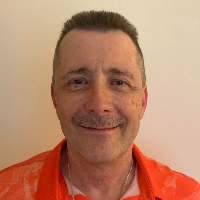
Stephen (Steve) Yates
LMFT
Idaho - 35 yrs exp














How phobias therapy works for Idaho residents
If you are living in Idaho and considering therapy for a phobia, you can expect an approach that begins with assessment and listening. A therapist will ask about the history of the fear, how it affects daily life, and what you have already tried to manage it. From there they will help you understand goals for treatment and map out a plan that fits your schedule and the resources available where you live, whether that is in Boise, Meridian, Nampa or a smaller community.
Therapy for phobias is typically structured and goal-oriented. Early sessions often focus on building skills to manage anxiety and to create a sense of safety during exposures and other practice. Over time you and your therapist will gradually work toward the situations that are most distressing to you, using methods that reduce avoidance and help you regain control. Your pace matters - therapists will adapt techniques to match what you find tolerable and useful.
Common therapeutic approaches
Many therapists use cognitive-behavioral approaches, which help you examine patterns of thinking and behavior that maintain a phobia, and teach practical strategies to change them. Exposure-based techniques are frequently part of the process - these involve carefully planned, repeated contact with the feared object or situation until the fear response decreases. Other approaches may include relaxation training, breathing work, and skills to manage panic symptoms that can accompany intense fear. Some therapists combine these methods with acceptance-based strategies or mindfulness to help you stay present during stressful moments.
Finding specialized help for phobias in Idaho
When you look for a therapist in Idaho, consider clinicians who list phobias, anxiety, or exposure therapy among their specialties. Licensure and training information helps you compare providers; many therapists will note their credentials, additional training, and the populations they serve. If you live in an urban center like Boise, you may find clinicians who also work in hospital systems or interdisciplinary clinics. In smaller cities such as Meridian, Nampa or Idaho Falls you may find independent practices and community mental health providers who offer focused expertise as well.
Local directories and professional association listings can point you to therapists with relevant experience. When you contact a therapist, it is reasonable to ask about their experience treating specific phobias, how they structure exposure work, and whether they use in-person sessions, telehealth, or a mix of both. Checking whether a therapist offers evening or weekend sessions can also help if your work or school schedule makes daytime appointments difficult.
What to expect from online therapy for phobias
Online therapy can be a practical option for many Idaho residents, especially if you live outside a major metro area. If you choose remote sessions, you will use videoconferencing or phone calls to work with your therapist. You can expect many of the same therapeutic elements delivered remotely - assessment, skill-building, and guided exposure - adapted for the virtual format. Your therapist may use screen sharing to show worksheets, guide breathing exercises, or coach you through in-the-moment anxiety-management techniques.
Online therapy is particularly useful for exposure work that begins with imaginal exposure, role play, or gradual steps that you can practice at home while your therapist observes and coaches. For some fears, such as specific animal phobias or situational fears, online sessions can be complemented by carefully planned in-person practice when that is needed and feasible. When you try online therapy, make sure your environment allows for focused conversation and for practicing exercises without interruption. Discuss with your therapist how to handle emergency situations and local resources in Idaho should you need additional support between sessions.
Signs you might benefit from phobias therapy
You might consider seeking therapy if a fear consistently limits activities you want or need to do. You may find yourself avoiding places, people, or routines that trigger anxiety, which can affect your work, school, relationships, or travel plans. Physical symptoms like rapid heartbeat, sweating, trembling, nausea, or dizziness in specific situations can also signal that a phobia is disrupting your life. Even when a fear seems understandable, therapy can help you reduce avoidance and regain control so you can participate more fully in daily life.
If you notice that fear interferes with family activities, prevents travel to visit relatives in other Idaho towns, or stops you from pursuing social or career opportunities, these are practical reasons to seek help. You do not need to wait until a fear becomes incapacitating; early work with a therapist can prevent patterns of avoidance from becoming entrenched and make treatment more manageable.
Tips for choosing the right therapist for this specialty in Idaho
Start by clarifying what you want from therapy. Do you want short-term symptom relief, long-term coping strategies, or help with a phobia that intersects with other concerns such as panic or trauma? Once you know your priorities, look for therapists who describe experience with exposure-based methods or cognitive-behavioral techniques. Many therapists will list specific phobias they have treated, and you can ask about typical session length and frequency during an initial contact.
Consider practical details as well. Think about whether you prefer in-person sessions in Boise, Meridian, Nampa or Idaho Falls, or whether telehealth would be more convenient. Ask about fees, insurance acceptance, and sliding scale availability if cost is a consideration. It is appropriate to inquire about the therapist's approach to setting goals and measuring progress so you know how success will be evaluated. Pay attention to how the therapist responds to your initial questions - feeling heard and understood in those first interactions is an important part of a good fit.
Finally, keep in mind that finding the right therapist can take a few tries. If you meet someone who is licensed and experienced but you do not feel comfortable with their style, it is okay to try another provider. Trust your judgment about what feels like a supportive, respectful, and practical approach for your needs. Many people in Idaho find that working with a therapist who understands the pace of exposure therapy and who can collaborate with you about local resources makes the difference in achieving steady progress.
Next steps
When you are ready, use the listings above to review profiles and reach out for a brief consultation. A short call or message can help you assess whether a therapist’s approach, availability, and communication style match your needs. Whether you are in Boise, Meridian, Nampa, Idaho Falls or elsewhere in the state, taking that first step can put you on a path to managing fear with practical tools and professional support.