Find a Queer Friendly Therapist in Idaho
This page highlights therapists in Idaho who focus on queer friendly mental health care. Use the listings below to explore clinicians near Boise, Meridian, Nampa and other Idaho communities and find a good match.


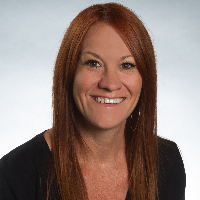



David Bills
LPC
Idaho - 12 yrs exp
















How queer friendly therapy works for Idaho residents
Queer friendly therapy means working with a clinician who understands the particular stresses and strengths that often come with queer identities. In Idaho, that can look like therapists who are familiar with local community dynamics as well as broader LGBTQ+ issues - from navigating relationships and family conversations to coping with minority stress and workplace challenges. When you start therapy with a queer friendly provider, you can expect an approach that centers respect for your identity, uses your chosen names and pronouns, and prioritizes cultural humility rather than assumptions about your experience.
Therapists vary in their methods and specialties. Some focus on talk therapy rooted in cognitive-behavioral techniques, while others integrate trauma-informed practices, narrative approaches, or supportive counseling tailored to queer people. A queer friendly therapist in Idaho will often combine clinical training with ongoing learning about gender and sexual diversity so that your care feels relevant to your life.
Finding specialized help for queer friendly needs in Idaho
Searching for the right match usually begins with exploring provider bios and looking for clear statements of affirming practice. Many therapists note their experience working with LGBTQ+ clients, mention preferred pronouns, or describe trainings they have completed. In Idaho, it helps to look for clinicians who understand both urban and rural contexts - an experience in Boise may be different from practice in smaller towns, and some providers explicitly mention working with clients who relocate within the state or travel between cities like Meridian and Nampa.
You can also consider where you want care to happen. If you prefer in-person sessions, focus on therapists practicing near your city so travel is manageable. If distance or scheduling is a barrier, look for clinicians who offer telehealth options that are available within Idaho. Asking about sliding scale fees, insurance participation, and availability for evening or weekend appointments can make specialized care more accessible.
What to expect from online therapy for queer friendly care
Online therapy can expand your options in a state where communities vary widely in size and resources. When you choose telehealth, you may gain access to therapists who specialize in queer issues even if they are based in a different part of Idaho. Sessions usually occur via video or phone and aim to mirror an in-person experience through focused conversation and therapeutic techniques. Before your first online appointment, you can check technical requirements, confirm your therapist’s licensure to practice in Idaho, and clarify how sessions will be scheduled and billed.
Expect your therapist to create a welcoming atmosphere and to begin by asking about immediate concerns, goals for therapy, and any practical needs you have. They may inquire about preferred names and pronouns, relationship and family contexts, and prior experiences with counseling. If you have safety concerns related to being out in your community or at home, discuss these up front so that the therapist can help you plan for practical steps and supports. Online therapy also offers advantages if you move between Boise, Idaho Falls, or other cities and want continuity with the same clinician.
Common signs you might benefit from queer friendly therapy
You might consider seeking queer friendly therapy if you frequently feel isolated because of your identity, if conversations with family or coworkers about gender or sexuality are causing stress, or if you experience ongoing anxiety or low mood tied to acceptance and belonging. Relationship difficulties, questions about gender or sexual orientation, and the emotional fallout from discrimination or microaggressions are all experiences that queer friendly therapists are trained to address. Even when concerns feel situational - for example, managing a change in social support after moving to a new Idaho city - therapy can provide tools for coping and planning.
Another common reason people seek queer friendly care is to work through internalized messages about identity. If you find yourself doubting your worth, avoiding relationships, or struggling with self-expression, a clinician who understands queer experiences can help you explore those patterns without judgment. You do not need a crisis to benefit from therapy - many people pursue therapy to strengthen resilience, improve communication, or build a more authentic life.
Tips for choosing the right therapist for queer friendly support in Idaho
Start by clarifying what matters most to you. Do you want a clinician with experience in LGBTQ+ family mediation, gender-affirming care navigation, trauma work, or couples counseling? Once you have priorities, review therapist profiles for indications of relevant experience, training, and personal statements that align with your needs. If you live near Boise, Meridian, Nampa, or Idaho Falls, consider whether you prefer someone who understands the social context of those areas, or whether you value a broader perspective that telehealth can provide.
When you contact a potential therapist, use the initial consultation to ask practical questions about their approach, expected session length, fees, and what a typical therapeutic plan might look like for someone with your concerns. It is reasonable to ask about their comfort level discussing topics such as coming out, navigating family dynamics, or working with gender-related issues. A good clinician will welcome your questions and describe ways they support queer clients without making promises about outcomes.
Trust your instincts during early sessions. Compatibility matters - if you do not feel heard or affirmed, it is acceptable to look for another therapist. At the same time, recognize that building trust can take a few sessions, especially if you are discussing difficult material. If you have concerns about local resources, ask about referrals to community organizations or support groups in Idaho that complement therapy work.
Practical considerations specific to Idaho
Idaho’s geographic range means access can look different depending on where you live. Urban centers like Boise and Meridian tend to offer more in-person options and community resources, while smaller towns may have fewer clinicians who advertise explicit queer friendly practice. Telehealth can help bridge that gap, but you may want to confirm that any online provider is licensed to practice in Idaho and understands relevant state regulations and referral networks.
Consider scheduling, cost, and transportation when planning care. Some therapists offer evening or weekend hours to accommodate work schedules. If affordability is a priority, ask about sliding scale fees or community mental health programs that may offer reduced rates. University counseling centers and local LGBTQ+ organizations in larger cities can also provide connections or support while you search for a long-term clinician.
When to reach out and next steps
There is no universal timeline for starting therapy - many people reach out when issues begin to affect daily life, relationships, or work. If you are feeling uncertain, start with a short list of therapists whose profiles seem promising and schedule brief consultations to assess fit. Prepare a few questions about approach and experience, and consider whether you prefer in-person sessions in Boise or Idaho Falls or the convenience of telehealth across the state. Taking that first step can help you find a clinician who respects your identity and supports the goals you set for therapy.
Finding queer friendly therapy in Idaho is about matching clinical skill with cultural understanding and practical fit. By focusing on clear communication, informed questions, and your own sense of comfort, you can locate a therapist who helps you navigate challenges and build a more resilient, authentic life.