Find a Social Anxiety and Phobia Therapist in Idaho
This page highlights clinicians in Idaho who specialize in social anxiety and specific phobias. You will find profiles that describe therapy approaches, areas served, and how to connect with a provider in cities like Boise and Nampa.
Use the listings below to compare options and identify a therapist who fits your needs and preferences.








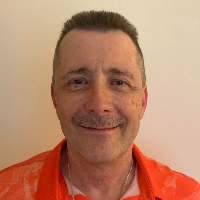
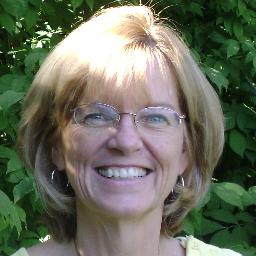
Stephen (Steve) Yates
LMFT
Idaho - 35 yrs exp











How social anxiety and phobia therapy typically works for Idaho residents
If you are living in Idaho and looking for help with social anxiety or a specific phobia, therapy usually begins with an assessment of how the anxiety affects your day-to-day life. In an initial session a therapist will ask about the situations that trigger worry, the thoughts and physical sensations you experience, and the strategies you already use to cope. From there you and the clinician will set goals and agree on a treatment plan that fits your schedule, whether you prefer in-person visits in Boise or Meridian, or online sessions from home.
Therapy is often structured around learning skills that reduce avoidance and change unhelpful thinking patterns. Sessions are collaborative - you and the therapist work together to practice new responses to feared situations and to build confidence over time. Progress can be gradual, and many people find steady improvement when they attend regularly and try new strategies between sessions.
Typical therapy approaches used in Idaho
You can expect clinicians who specialize in social anxiety and phobia to draw on evidence-informed methods. Cognitive-behavioral interventions are common and focus on identifying thoughts that increase anxiety and testing them in real situations. Exposure-based work helps you face feared social settings or objects in a controlled, step-by-step way so that anxiety decreases with repeated, manageable experience. Acceptance and commitment approaches may be offered to help you live more fully around anxiety by clarifying values and practicing willingness to experience discomfort. Mindfulness and relaxation skills are often integrated to help reduce physical symptoms and support concentration during exposure work.
Finding specialized help for social anxiety and phobia in Idaho
When searching for a therapist who understands social anxiety and phobias, look for clinicians who mention experience with exposure work, social anxiety disorder, performance anxiety, or specific phobias in their profiles. Licensed professionals in Idaho hold credentials such as licensed clinical social worker, licensed professional counselor, or psychologist. Asking about training and experience during an initial call can give you a sense of whether a therapist’s background matches your needs. If you live outside Boise - in Meridian, Nampa, or Idaho Falls - online options expand access to specialists who may not have an office nearby.
Consider whether you prefer someone who integrates practical skills with a compassionate, collaborative approach. You might seek a therapist with additional experience working with college-aged people if you are a student, or someone who has helped clients facing workplace anxiety if your concerns center on job performance. Good fit includes both clinical expertise and a working relationship that feels supportive to you.
Local considerations and resources
Idaho has a mix of urban and rural communities, which can influence how you access care. In denser areas like Boise you may find more in-person options and group programs. In smaller towns or more remote counties, therapists often offer telehealth to bridge distance. Community mental health centers and university-affiliated clinics can also be sources of affordable care, and some practitioners offer sliding scale fees to improve access. When searching, check whether a clinician lists availability for evening sessions or weekend appointments if work or school schedules are a barrier.
What to expect from online therapy for social anxiety and phobia
Online therapy has become a common way to access treatment across Idaho. If you choose telehealth, prepare a quiet, comfortable setting for sessions where you can focus without distractions. Technology usually involves a video call platform and sometimes text-based messaging between sessions. Online sessions can make it easier to attend regularly and to practice exposure exercises in real-life settings near your home, such as trying brief social interactions at a local coffee shop or making phone calls that provoke anxiety.
Therapists who provide telehealth to Idaho residents must follow state regulations, so it is appropriate to ask about licensure and the scope of services available online. Some interventions translate very well to video sessions, especially cognitive work and exposure planning. If in-person sessions are important to you, consider whether a therapist’s office location in Boise, Meridian, Nampa, or Idaho Falls is convenient for occasional visits combined with online check-ins.
Benefits and practical tips for online care
One benefit of online therapy is access to specialists who focus on social anxiety and phobias even if they are based in a different Idaho city. You can receive consistent treatment without a long commute. Before starting, test your internet connection and the video platform, and agree with the therapist on how to handle technical interruptions. Discuss privacy expectations and how session notes or records are managed. If you plan exposure exercises that require going into the community, talk with your therapist about safety planning and how to pace those activities.
Common signs that someone in Idaho might benefit from social anxiety or phobia therapy
You might consider seeking therapy if social situations routinely cause intense fear that leads you to avoid events, work opportunities, or relationships. Symptoms can include persistent worry about being judged or embarrassed, physical reactions like heart racing or trembling in social settings, or panicky feelings when faced with a feared object or situation. For specific phobias the fear is often focused on a particular stimulus - such as heights, insects, or medical procedures - and the reaction is out of proportion to the actual risk. If anxiety limits your ability to perform at work or school, damages relationships, or reduces your quality of life, therapy can help you learn practical ways to manage and reduce those barriers.
It is common to delay seeking help because avoidance provides short-term relief. However, avoidance tends to reinforce anxiety over time. Talking with a clinician can help you break that cycle through guided practice and gradual exposure to feared situations.
Tips for choosing the right therapist for social anxiety and phobia in Idaho
Start by identifying practical preferences - whether you want in-person sessions near Boise, Meridian, Nampa, or online appointments that fit a busy schedule. Read clinician profiles to see if they list social anxiety or phobia among their focus areas and whether they use exposure-based or cognitive-behavioral techniques. When you contact a therapist, ask about their experience treating social anxiety, typical session structure, and how they measure progress. Inquire about fees, insurance participation, and whether they offer flexible scheduling.
Beyond credentials and approach, pay attention to how comfortable you feel during an initial consultation. A good therapeutic relationship makes it easier to try challenging exercises and to stick with treatment. If a first therapist does not feel like the right fit, it is reasonable to consult with others until you find someone who aligns with your goals and communication style.
Next steps
Begin by browsing the listings on this page to compare clinicians who work with social anxiety and phobias in Idaho. Note providers who mention exposure therapy, cognitive-behavioral approaches, or experience with the populations that matter most to you. Reach out for an initial conversation to ask about approach, availability, and whether online or in-person visits are best for your situation. Taking that first step can open the door to practical skills and steady progress toward participating more fully in the activities you value.