Find a Trauma and Abuse Therapist in Idaho
This page connects you with therapists in Idaho who focus on trauma and abuse, offering varied training and treatment styles across the state. Use the directory below to review profiles, areas of focus, and availability. Browse the listings to find a clinician who matches your needs in Boise, Meridian, Nampa, Idaho Falls, or elsewhere in Idaho.







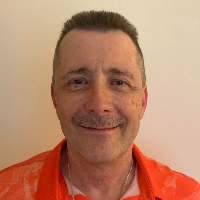
Stephen (Steve) Yates
LMFT
Idaho - 35 yrs exp










Understanding how trauma and abuse therapy works for Idaho residents
If you are considering therapy for trauma or abuse, it helps to know what the process typically involves. Therapy often begins with an assessment designed to understand your history, current concerns, and goals. That assessment informs a treatment plan that is tailored to your needs - whether you are working through a single traumatic event, ongoing abuse, or long-term effects of trauma. Therapists draw from evidence-informed approaches and adapt techniques to match your preferences and pace.
Sessions usually focus on building skills to manage distressing symptoms, processing traumatic memories in a way that reduces their intensity, and strengthening coping strategies for everyday life. Many clinicians in Idaho combine talking therapies with body-based or mindfulness-informed techniques to address how trauma shows up in both thoughts and bodily sensations. The work is collaborative, and a competent therapist will discuss goals with you and adjust the approach as your needs evolve.
Finding specialized help for trauma and abuse in Idaho
When you begin looking for a therapist, pay attention to training and experience specific to trauma and abuse. Some clinicians list certifications or additional training in trauma-focused modalities, while others describe years of experience working with survivors of abuse or complex trauma. In Idaho, you can find practitioners in urban centers like Boise and Meridian as well as in growing suburbs such as Nampa and regional hubs like Idaho Falls. Rural communities may have fewer local options, but many therapists offer remote appointments that bridge distance.
Licensure titles in Idaho vary, and clinicians may be licensed as mental health counselors, social workers, or marriage and family therapists. Those distinctions matter in terms of scope of practice and supervision, so consider both credentials and the therapist’s stated trauma experience. Many people find it useful to read therapist biographies and reach out with a brief message to ask about specific experience with abuse-related work, cultural responsiveness, and the kinds of techniques used in therapy.
What to expect from online therapy for trauma and abuse
Online therapy has become a common option for Idaho residents who need flexible access to specialists or who live far from urban centers. If you choose online sessions, expect an initial conversation about logistics - how appointments will be conducted, what to do in a crisis, and whether remote techniques will be adapted to your safety needs. Therapists typically describe how they manage boundaries, communication outside sessions, and any tools they use for grounding or skill-building during remote meetings.
Some trauma modalities translate well to online formats, and therapists may incorporate screen-based exercises, guided breathing, and adapted trauma processing techniques. You should expect a plan for emergencies that includes local resources in Idaho, since therapists must be able to coordinate support when a client needs immediate help. Telehealth can offer continuity of care - especially for people who move between towns such as Boise and Idaho Falls - but it is important to discuss with a clinician whether remote sessions suit the intensity and goals of your trauma work.
Common signs that you might benefit from trauma and abuse therapy
You might consider contacting a trauma specialist if you notice persistent distress following difficult events or experiences of abuse. That distress can show up as intrusive memories or flashbacks that interrupt your day, repeated nightmares, or avoidance of people, places, or topics that remind you of what happened. You may feel constantly on guard, have a shortened temper, or find it hard to concentrate and complete daily tasks. Changes in mood such as increased anxiety, depression, or emotional numbness are also common reasons people seek help.
Trauma can affect relationships and daily functioning in ways that are not obvious at first. You may recognize patterns such as withdrawing from loved ones, struggling with trust, or finding that you use alcohol or other substances to cope. Physical symptoms like sleep disturbances, headaches, or a persistent sense of unease can accompany emotional symptoms. If these struggles interfere with work, school, parenting, or your sense of well-being, a trauma-informed therapist can help you explore practical strategies and long-term recovery options.
Tips for choosing the right trauma and abuse therapist in Idaho
Start by clarifying what matters most to you in therapy - for example, whether you prefer a clinician who uses specific trauma therapies, someone who has experience with abuse survivors, or a therapist who emphasizes skill-building and stabilization first. Read provider profiles to learn about credentials, training, and populations served. Consider asking potential therapists about their approach to trauma work, how they handle safety planning, their experience with abuse-related issues, and whether they offer in-person sessions in Boise, Meridian, or Nampa, or primarily provide remote care.
Logistics matter too. Ask about session length, typical treatment pacing, fees, and whether the clinician accepts insurance or offers a sliding-scale fee. Cultural competence and comfort talking about identity, family background, or spiritual beliefs can influence how supported you feel, so look for clinicians who highlight responsiveness to those factors. An initial consultation is a chance to get a sense of rapport - a good fit often matters more for progress than any single credential.
Working with therapists across Idaho communities
Urban areas such as Boise usually offer a wider range of trauma specialists and therapeutic styles, while suburban communities like Meridian and Nampa may provide convenient local options with flexible scheduling. In places such as Idaho Falls, you may find clinicians who balance in-person and online availability to serve a larger geographic region. If you live in a rural area, telehealth often expands your choices, allowing you to work with a therapist who has specialized training even if they are based in a different part of the state.
Community resources and support networks differ across regions, and a local therapist will have knowledge of nearby supports if you want additional services such as peer groups, advocacy, or specialized medical care. When you speak with a clinician, ask whether they coordinate with other providers in your area and how they can help connect you with services that match your needs.
Taking the next steps
Finding the right trauma and abuse therapist is a personal process that benefits from clear questions and realistic expectations. Use the directory listings to compare clinicians, read detailed bios, and reach out for brief consultations. Those conversations can help you evaluate fit, ask about treatment approaches, and understand practical details like scheduling and fees. Whether you are seeking immediate support or planning longer-term healing, connecting with a trauma-informed professional in Idaho can help you move toward greater stability and resilience.
When you are ready, contact a therapist from the listings below to arrange an initial appointment or ask any questions about how they work with trauma and abuse. Taking that first step can open the door to support that aligns with your goals and the life you want to build moving forward.