Find an Adoption Therapist in Illinois
This page lists adoption therapists who work with adoptive parents, adoptees and families across Illinois. Explore profiles to find clinicians offering adoption-informed care in Chicago, Aurora, Naperville and beyond, and browse the listings below to connect with a provider.
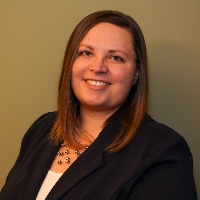



Angela Veach
LCPC
Illinois - 25 yrs exp

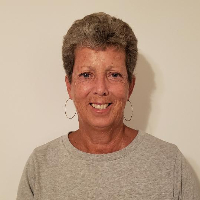











Dr. Kathryn (Kitty) Klee
LCPC
Illinois - 33 yrs exp







How adoption therapy works for Illinois residents
Adoption therapy focuses on challenges and transitions related to adoption throughout the lifespan. Whether you are a newly formed adoptive family, a teen exploring identity, an adult adoptee seeking connection to birth history, or a parent navigating attachment questions, therapy provides a consistent place to process emotions, learn skills and strengthen relationships. In Illinois, therapists trained in adoption-related work integrate knowledge of loss, grief and attachment with practical strategies that fit your family's needs and local systems such as schools, medical providers and legal supports.
When you begin adoption therapy in Illinois, the first sessions are typically about building rapport and understanding your adoption story. A clinician will ask about placement history, cultural background, relationships with birth family if any, and the specific stresses your family faces now. From there, the therapist and you will set goals that may include improving communication, addressing behavioral concerns, managing identity questions, or preparing for transitions like school changes or extended family dynamics. Therapy may be short-term and goal-focused or ongoing, depending on the complexity of the issues and the approach that fits your situation.
Therapy settings and team approaches
Adoption work often involves more than individual therapy. You can expect options such as parent coaching, family sessions, and support for caregivers to build attachment and parenting strategies. Some clinicians collaborate with pediatricians, school counselors and social workers, which can be especially helpful in cities like Chicago and Naperville where multidisciplinary services are readily available. If you are in a smaller community in Illinois you can still find therapists who will coordinate care and provide referrals to local resources when needed.
Finding specialized adoption help in Illinois
Search for clinicians who list adoption, attachment, and trauma-informed care among their specialties. Many therapists bring training in adoption-competent therapy, attachment theory, trauma-informed methods or life-span adoption issues. You can look for professionals who describe experience with transracial adoption, international adoption, foster-to-adopt transitions, or search and reunion work if those areas match your needs. In metropolitan areas such as Chicago and Aurora you may find clinicians with a high degree of specialization, while in suburban or rural parts of Illinois you might connect with providers who offer a broad range of family services including adoption support.
Licensing and credentials matter when you are evaluating providers. Licensed clinical social workers, psychologists and licensed professional counselors in Illinois are regulated by state boards that set educational and ethical standards. You should feel comfortable asking about a clinician's training in adoption-specific topics, their experience working with families and adoptees of different ages, and how they approach sensitive topics like identity and loss. Most therapists will welcome these questions and view them as part of establishing a productive working relationship.
What to expect from online adoption therapy
Online therapy has become a common and effective way to access adoption services across Illinois. If you live outside of a major city, virtual sessions provide access to clinicians who specialize in adoption without the need to travel. Online therapy typically follows the same structure as in-person work - assessment, goal-setting and regular sessions - but conducted by video or phone. Many people find remote visits convenient for scheduling around school and work, and helpful when caregiver responsibilities make leaving the home difficult.
During online sessions you and your therapist will work on communication skills, explore emotional themes and practice strategies together. For family sessions, video can be useful because it allows the therapist to observe interactions in your home environment. If you choose virtual work, it is important to set up a quiet, comfortable environment where you can speak freely and focus. You may also discuss how to handle emotions that come up between sessions and plan follow-up steps for local supports when in-person intervention is needed.
Common signs you or a loved one might benefit from adoption therapy
People seek adoption therapy for many reasons, and the signs that it could be helpful vary by age and family role. You might consider reaching out if you notice repeated struggles with bonding or attachment, ongoing behavioral concerns at home or at school, questions or distress about identity during adolescence, or lingering grief related to separation and loss. Parents often pursue therapy when they feel uncertain about parenting strategies for an adopted child, when behavioral challenges persist despite consistent efforts, or when reunification and contact with birth family raise complicated feelings.
Adults who were adopted may seek therapy when they are considering searches for birth family, when identity questions surface during life transitions, or when unresolved feelings related to adoption affect relationships. You do not need a crisis to benefit from therapy - many families and adoptees use counseling proactively to build resilience, strengthen communication and prepare for life stages where adoption-related issues commonly reappear.
Tips for choosing the right adoption therapist in Illinois
Start by clarifying what you want from therapy. If your focus is parenting support and attachment, look for a clinician with experience in attachment-based interventions and parent coaching. If identity or search-and-reunion questions are central, choose someone who has worked with adoptees through those processes. In cities like Chicago, Aurora and Naperville you can often find clinicians who offer specialized modalities and group programs. Regardless of location, ask potential therapists about their experience with adoption-specific issues, their approach to culturally responsive care, and whether they have experience working with transracial or international adoptive families if that is relevant to you.
Consider practical factors as well. Location, session availability, fees and whether the clinician accepts your insurance or offers sliding scale rates will influence accessibility. If you prefer online sessions, check that the therapist offers telehealth in Illinois and discuss technology and privacy arrangements before you begin. Trust your instincts about personal fit - the relationship between you and your therapist is a key factor in whether the work will be effective. A clinician should listen to your story, explain their approach in a way you understand, and outline initial steps so you know what to expect.
Working with schools and community resources
Therapists often help families coordinate with schools to support adaptive learning plans, social development and behavioral expectations. If your child experiences difficulties at school, a clinician can help you communicate with teachers and develop consistent strategies across settings. In urban centers like Chicago there may be additional community programs and support groups focused on adoption; in suburban settings such as Naperville and Aurora you may also find parent education offerings and workshops. Your therapist can point you to local groups, educational materials and advocacy resources that align with your family's needs.
Next steps and realistic expectations
Beginning adoption therapy is a step toward understanding and growth, but it takes time and patience. You can expect progress to vary - some families notice immediate improvements in communication, while other issues such as attachment and identity unfold over months or years. Set realistic short-term goals with your therapist and check in regularly about how the work is going. If a therapist's approach does not feel right, it is acceptable to seek a different clinician who better matches your expectations.
Across Illinois you have options for in-person and online care, and you can find professionals who tailor therapy to your cultural background, family structure and adoption history. Whether you live in a large city like Chicago or a smaller community, investing time to find a therapist who understands adoption-related complexities can help you and your family navigate transitions with greater confidence and resilience.