Find an Attachment Issues Therapist in Illinois
This page lists therapists who specialize in attachment issues across Illinois, including in-person and online options. Use the listings below to learn about providers, review specialties, and connect with a counselor who fits your needs.


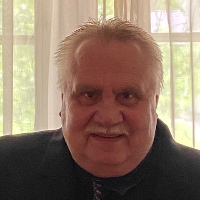


Angela Veach
LCPC
Illinois - 25 yrs exp


















How attachment issues therapy works for Illinois residents
If you are exploring therapy for attachment-related concerns, the process typically begins with an assessment to understand the patterns that affect your relationships and emotional well-being. In Illinois, clinicians who work with attachment issues often come from backgrounds in clinical social work, psychology, marriage and family therapy, or counseling. During early sessions you and your therapist will talk about your history, relationship patterns, and specific goals for therapy. That initial phase helps establish a working plan - the pace and focus will depend on whether you are an adult seeking to change long-standing relational habits, a parent wanting to support a child, or a couple working to repair connection.
Approaches you might encounter
Therapists who specialize in attachment issues draw from a range of evidence-informed approaches that address emotions, behaviors, and relationship dynamics. You may work on recognizing attachment styles, developing emotional regulation skills, and practicing new ways to communicate needs and boundaries. Therapy can involve individual sessions, couples work, or family therapy, depending on what you and your therapist determine is most helpful. In Illinois cities like Chicago, Aurora, and Naperville you will find clinicians trained in attachment-focused modalities as well as those who integrate trauma-informed care, relational techniques, and developmental perspectives into their practice.
Finding specialized help for attachment issues in Illinois
Start by identifying clinicians licensed to practice in Illinois and experienced with attachment concerns. You can look for provider profiles that list training, typical client populations, and treatment approaches. When searching, consider whether you prefer a clinician who focuses on adult attachment patterns, parent-child attachment, or couples work. In larger metropolitan areas such as Chicago you will have a wider range of specialization to choose from, while smaller communities may have clinicians who provide a broader clinical focus. If you live in Aurora, Naperville, Springfield, Rockford, or surrounding suburbs, you can often find both in-person options and therapists who offer remote sessions to increase flexibility.
Questions to ask when evaluating providers
When you review listings, look for information about education, licensure, and years of experience working with attachment-related issues. It is reasonable to ask a prospective therapist how they typically structure treatment, what they consider when forming goals with clients, and how they measure progress. You may also ask about experience with specific populations - for example, adults with complex relationship histories, parents of infants and toddlers, or couples navigating deeply ingrained patterns. These conversations will help you assess fit and set clear expectations for what therapy might involve.
What to expect from online therapy for attachment issues
Online therapy has become a common way to access attachment-focused treatment in Illinois, offering convenience and increased access when in-person options are limited. If you choose virtual sessions you can expect much of the core therapeutic work to remain the same - building awareness of attachment patterns, practicing new relational skills, and exploring emotional responses. Remote work may also allow you to incorporate real-time experiments in communication between sessions, such as calling a partner or trying a new response in a family interaction and discussing the outcome with your therapist.
When engaging in online therapy you should confirm that the clinician is licensed to practice in Illinois and that their platform offers appropriate privacy protections for your conversations and records. Discuss session length, technical backup plans if connectivity fails, and whether you can transition between in-person and online sessions if you later prefer a different format. Many people find that online work fits well with busy schedules in places like Chicago and Naperville, and it can reduce travel time for those who live farther from urban centers.
Common signs that someone in Illinois might benefit from attachment issues therapy
You might consider seeking therapy if you notice recurring patterns that make relationships feel difficult, distant, or volatile. This can include persistent fears of rejection, avoidance of closeness, difficulty trusting others, or intense reactions to perceived abandonment. Attachment issues can show up as repeated relationship conflicts, challenges in parenting where you feel unsure how to respond to a child's emotional needs, or difficulties regulating strong emotions that emerge with partners or family members. If these patterns interfere with your daily functioning, work, or sense of well-being, therapy can offer a framework for understanding and change.
People in different life stages may experience attachment challenges in distinct ways. Young adults in college or starting careers may struggle with independence versus connection. New parents in Illinois may seek support in building secure bonds with infants and managing their own attachment histories. Couples across the state often look for help to repair ruptures and rebuild trust. Recognizing these signs and seeking help early can make it easier to develop healthier ways of relating over time.
Tips for choosing the right therapist for attachment issues in Illinois
Begin by clarifying what you want from therapy and what would feel like meaningful progress. If your main concern is relationship repair, a therapist with experience in couples work and attachment theory may be a good fit. If you are navigating the effects of childhood attachment patterns, an individual therapist with trauma-informed training and developmental expertise may be more appropriate. Consider practical matters too - whether you prefer sessions in person or online, what days and times work with your schedule, and whether the clinician accepts your insurance or offers a sliding scale.
When you contact a therapist, pay attention to how they explain their approach and whether their style resonates with you. It is normal to try a few providers before settling on someone who feels right. In Illinois you can often find clinicians who offer brief consultation calls to answer questions about experience and approach. Use those conversations to ask about their experience with attachment-focused work, how they involve partners or family members when appropriate, and what a typical session looks like. Trust your instincts about rapport - a comfortable therapeutic relationship is a strong predictor of helpful progress.
Practical considerations specific to Illinois
Licensure and scope of practice are important considerations across the state. Verify that the therapist holds an appropriate Illinois license such as clinical social work, counseling, psychology, or marriage and family therapy. If you plan to use insurance, confirm the clinician's in-network status or whether they provide superbills for out-of-network reimbursement. Residents of major metro areas like Chicago, Aurora, and Naperville will likely find a range of insurance options and clinician availability, while those in smaller communities may rely more on teletherapy to access specialized care.
Finally, remember that therapy for attachment issues is a collaborative process. You will likely engage in reflective conversation, skill-building exercises, and practice outside sessions. Progress can be gradual and will depend on the complexity of your history and the consistency of the work. By choosing a therapist who understands attachment and who matches your practical needs, you increase the chances of feeling more connected and effective in your relationships over time.
Whether you are searching in Chicago or a suburb like Naperville, beginning with clear goals and careful questions will help you find a clinician who supports your path toward healthier connections. Use the listings above to compare profiles, read about approaches, and take the next step toward scheduling a consultation.